
What Is Schizophrenia? Early Warning Signs and Treatment Options
Receiving a diagnosis of Schizophrenia can feel unsettling. For many families in Hyderabad and across Telangana, the term often brings fear, confusion, and stigma. Movies and media frequently misrepresent it as having a "split personality" or link it to violence.
The reality is quite different.
Schizophrenia is a long-term, treatable medical condition involving changes in the brain's chemistry and structure. It is not caused by "bad parenting," "black magic," or a "weak mind." It is a biological illness, similar to diabetes or epilepsy.
At Bharosa Neuropsychiatry Hospital in LB Nagar, Hyderabad, we help hundreds of patients who, with the right treatment, move past their symptoms to lead meaningful lives. Led by Dr. Uday Kiran, our team is committed to replacing fear with facts and isolation with care.
This guide explains what Schizophrenia really is, the early signs to watch for, and the modern treatment options available today.
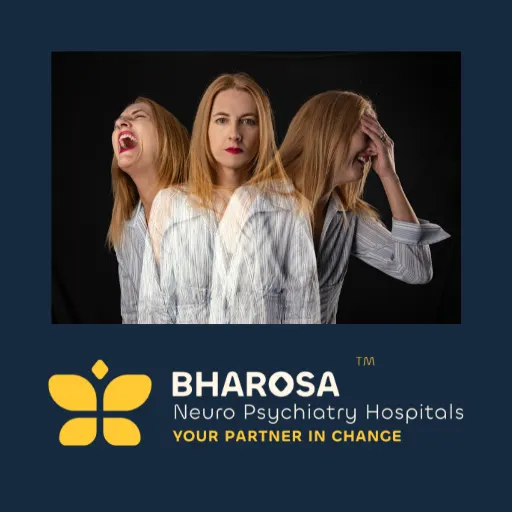
What Is Schizophrenia?
Schizophrenia is a serious mental disorder that affects how a person thinks, feels, and acts. It often leads to a disconnect from reality.
To understand it, we need to look at the brain. In a healthy brain, neurotransmitters, which are chemical messengers like dopamine, work in balance, helping us filter information. In Schizophrenia, these chemicals are out of balance. This causes the brain to misinterpret sights, sounds, and thoughts.
It typically starts in late adolescence or early adulthood, affecting men and women equally.
Early Warning Signs
Schizophrenia rarely appears suddenly. There is usually a gradual period of change known as the prodromal phase before the first acute episode. Recognizing these signs early can greatly improve long-term recovery.
If you are a parent or spouse, watch for these subtle shifts:
1. Positive Symptoms (Additions to Reality)
These are experiences that add to a person's reality—things that shouldn't be there.
- Hallucinations: Hearing voices is the most common symptom. The person may talk to themselves or seem to listen to someone invisible.
- Delusions: False, fixed beliefs. For example, believing that neighbors are spying on them, that the police are chasing them, or that they have special powers from God.
- Disorganized Thinking: Jumping from topic to topic or speaking in nonsensical "word salads."
2. Negative Symptoms (Subtractions from Reality)
These involve losing abilities the person used to have. They are often mistaken for laziness or depression.
- Social Withdrawal: Refusing to meet friends or leave the room.
- Flat Affect: The face becomes expressionless; the voice sounds flat.
- Lack of Hygiene: Stopping bathing or brushing teeth.
- Loss of Motivation (Avolition): Having trouble starting or finishing tasks like schoolwork or chores.
3. Cognitive Symptoms
- Difficulty concentrating or paying attention.
- Memory problems.
- Trouble processing information to make decisions.
Critical Note: If you notice a loved one becoming more suspicious, fearful, or withdrawn, do not wait. Talk to a psychiatrist in Hyderabad right away. Early intervention can prevent a complete psychotic break.
Treatment Options at Bharosa Neuropsychiatry Hospital
While Schizophrenia is a long-term condition, it is very manageable. At Bharosa, we use a "Bio-Psycho-Social" model of treatment.
1. Medication (The Foundation)
Antipsychotic medications are central to treatment. They work by balancing brain chemicals like dopamine.
Modern Medicine: Today’s second-generation antipsychotics are very effective and have fewer side effects than older medications.
Compliance is Key: The biggest challenge is when patients stop taking their medicines once they feel better. Our team carefully monitors dosages to ensure stability.
2. Psychosocial Therapy
Once medication stabilizes the hallucinations and delusions, therapy helps the person deal with life.
Cognitive Behavioral Therapy (CBT): Helps patients test the reality of their thoughts and ignore the "voices."
Family Therapy: This is essential. We teach families in Telangana and Andhra Pradesh how to create a low-stress home environment, which has been shown to reduce relapse rates.
3. Rehabilitation & Skills Training
We want our patients to thrive, not just survive. Our rehabilitation programs focus on:
- Social skills training.
- Vocational support to help them return to work or school.
- Self-care management.
Why Choose Bharosa Neuropsychiatry Hospital?
Treating Schizophrenia requires patience, expertise, and a long-term partnership between the doctor and family.
- Expert Diagnosis: Dr. Uday Kiran knows how to distinguish Schizophrenia from other conditions like Bipolar Disorder or drug-induced psychosis.
- Inpatient Care: For acute episodes where the patient is aggressive or refusing help, our safe and ethical inpatient facility in LB Nagar provides 24/7 monitoring.
- Emergency Services: We can handle psychiatric emergencies with dignity and safety.
- Stigma-Free Zone: We focus on treating the illness, not the judgments. Your privacy is assured.
FAQ's
This is a media myth. Most people with Schizophrenia are not violent; they are more likely to be victims of violence or self-harm. Aggression usually happens only when the condition is untreated and they feel threatened by their delusions.
Like diabetes, Schizophrenia is a condition to manage, not something to cure completely. With consistent medication and support, many patients achieve "remission," meaning symptoms are minimal or absent, allowing them to lead fulfilling lives.
This is a common question in India. Marriage is a significant life event. It is advisable to stabilize the condition first. Being open with the partner and going through pre-marital counseling at our hospital is highly recommended for a supportive future.
Genetics play a role, but it is not the only factor. Having a family history increases risk, but it does not guarantee the illness. Stress and environmental factors matter too.

Get the Right Diagnosis
Schizophrenia is a challenging diagnosis, but it is not the end of the journey. With early detection and expert care, the chaos can settle, and clarity can return.
“Mental illness is nothing to be ashamed of, but stigma and shame can lead us away from the light. Let us help you find that light again.”