
Common Sleep Disorders and Their Treatment in Hyderabad | Bharosa Hospitals
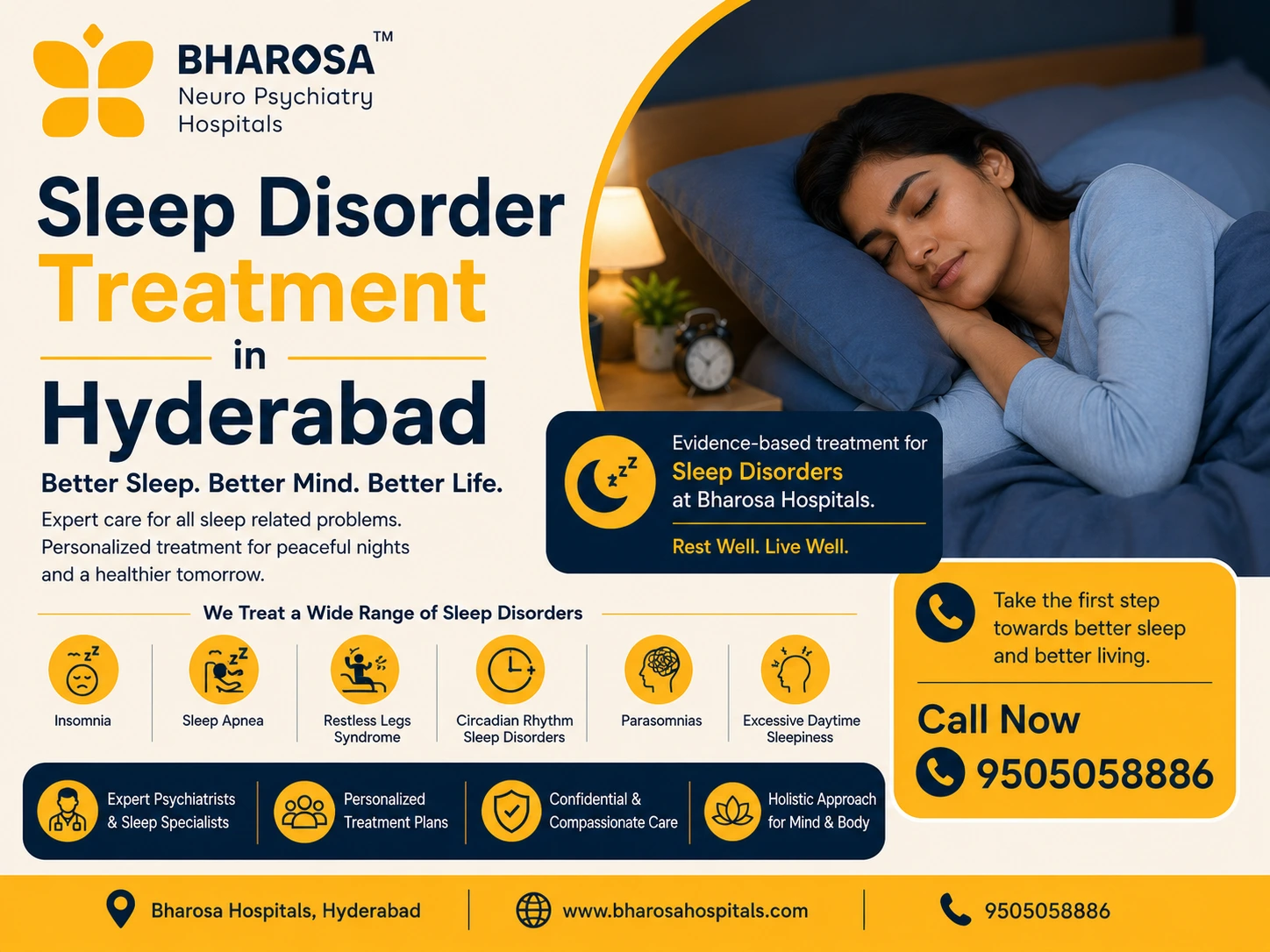
Sleep is not a luxury — it is a biological necessity. Yet millions of people quietly struggle through nights of tossing, turning, or lying wide awake, believing that poor sleep is just a normal part of a stressful life. In reality, persistent sleep problems are often signs of an underlying sleep disorder that requires proper medical attention. At Bharosa Hospitals, we see how untreated sleep issues silently damage mental health, relationships, and physical wellbeing. This blog explains the most common sleep disorders and why timely Sleep Disorder Treatment in Hyderabad matters for long-term health.
Why Sleep Disorders Deserve Serious Attention
Sleep disorders are far more than just an occasional bad night. They are medical conditions that disrupt the body's natural restorative processes, affecting memory, mood regulation, immune function, and emotional stability. Chronic sleep deprivation is closely linked to anxiety, depression, and even cognitive decline over time. Ignoring these signs for months or years often leads to a vicious cycle where poor sleep worsens mental health, and poor mental health further disrupts sleep.
Common Types of Sleep Disorders
1. Insomnia
Insomnia is the most widely recognized sleep disorder, involving difficulty falling asleep, staying asleep, or waking up too early and being unable to fall back asleep. Chronic insomnia (lasting more than three months) is often connected to stress, anxiety, or an underlying psychiatric condition.
2. Sleep Apnea
Obstructive sleep apnea occurs when breathing repeatedly stops and starts during sleep due to airway blockage. It leads to loud snoring, gasping during sleep, and excessive daytime fatigue. Left untreated, it significantly raises the risk of high blood pressure and heart problems.
3. Restless Legs Syndrome (RLS)
RLS causes an uncontrollable urge to move the legs, usually accompanied by an uncomfortable tingling or crawling sensation, especially at night. This constant urge to move disrupts the ability to fall and stay asleep.
4. Nightmares and Night Terrors
Frequent, distressing nightmares or sudden episodes of screaming and fear during sleep (night terrors) can be linked to trauma, anxiety disorders, or post-traumatic stress. These episodes often disturb not just the patient but the whole household.
5. Circadian Rhythm Disorders
These occur when a person's internal body clock is out of sync with normal day-night cycles, often due to shift work, excessive screen time, or irregular routines, leading to difficulty sleeping and waking at conventional times.
6. Parasomnias
This category includes sleepwalking, sleep talking, and other unusual behaviors during sleep, which can sometimes indicate an underlying neurological or psychiatric issue that needs evaluation.
How Sleep Disorders Are Connected to Mental Health
Sleep and mental health share a two-way relationship. Anxiety and depression frequently cause insomnia, while chronic sleep deprivation can trigger or worsen mood disorders. This is why psychiatric evaluation is often an essential part of diagnosing and treating persistent sleep problems, rather than only addressing sleep symptoms in isolation.
Diagnosis and Treatment Approach
At Bharosa Hospitals, sleep-related concerns are evaluated through a detailed clinical history, lifestyle assessment, and screening for co-existing psychiatric conditions such as anxiety, depression, or stress-related disorders. Our approach to treatment includes:
- Medical Evaluation – Identifying whether the sleep issue is primary or linked to an underlying psychiatric or physical condition
- Cognitive Behavioral Therapy for Insomnia (CBT-I) – A structured, evidence-based therapy that retrains sleep patterns without long-term dependence on medication
- Medication Management – Short-term, carefully monitored use of sleep aids or medications addressing underlying anxiety or depression, when necessary
- Sleep Hygiene Counseling – Practical guidance on routine, screen time, diet, and environment adjustments that support healthy sleep
- Relaxation and Stress Management Techniques – Mindfulness and relaxation training to calm an overactive mind before bedtime
Our team focuses on identifying root causes rather than simply prescribing sleep medication, ensuring patients receive lasting relief through comprehensive Sleep Disorder Treatment in Hyderabad.
When Should You Seek Help?
Consider consulting a specialist if you experience:
- Difficulty falling or staying asleep for more than three weeks
- Loud snoring with pauses in breathing
- Persistent daytime fatigue despite adequate hours in bed
- Frequent nightmares or unusual behavior during sleep
- Sleep problems accompanied by anxiety, low mood, or irritability
Why Choose Bharosa Hospitals
With experienced psychiatrists and a structured, evidence-based approach, Bharosa Hospitals offers reliable Sleep Disorder Treatment in Hyderabad that looks beyond symptoms to address the underlying psychological and physical factors affecting sleep. Our goal is to help patients restore natural, restful sleep patterns and, in turn, improve their overall quality of life.
If sleepless nights have become a pattern rather than an exception, it's time to seek professional guidance. Reach out to our team for a confidential consultation.
Frequently Asked Questions
Q1. How many hours of sleep are considered healthy for adults?
Most adults need 7–9 hours of quality sleep per night for optimal physical and mental functioning.
Q2. Can anxiety cause sleep disorders?
Yes, anxiety is one of the most common causes of insomnia and disrupted sleep, as an overactive mind makes it difficult to relax and fall asleep.
Q3. Is medication the only treatment for insomnia?
No, Cognitive Behavioral Therapy for Insomnia (CBT-I) is often more effective long-term than medication alone and is a core part of our treatment approach.
Q4. Can sleep apnea be treated without surgery?
Many cases are managed effectively with lifestyle changes, weight management, and non-surgical interventions, depending on severity and underlying causes.
Q5. When should I see a doctor for sleep problems?
If sleep difficulties persist for more than a few weeks and start affecting your daily energy, mood, or concentration, it's advisable to seek a professional evaluation.
Hospital Address
Bharosa Neuro Psychiatry Hospital
Plot No. 114, Mythripuram, Karmanghat, Opposite TKR College Comman (TKR Kamaan), Main Road, LB Nagar / Karmanghat, Hyderabad – 500079, Telangana
Call/WhatsApp: 9505058886