
How Therapy and Medication Help in Depression Recovery | Bharosa Hospitals
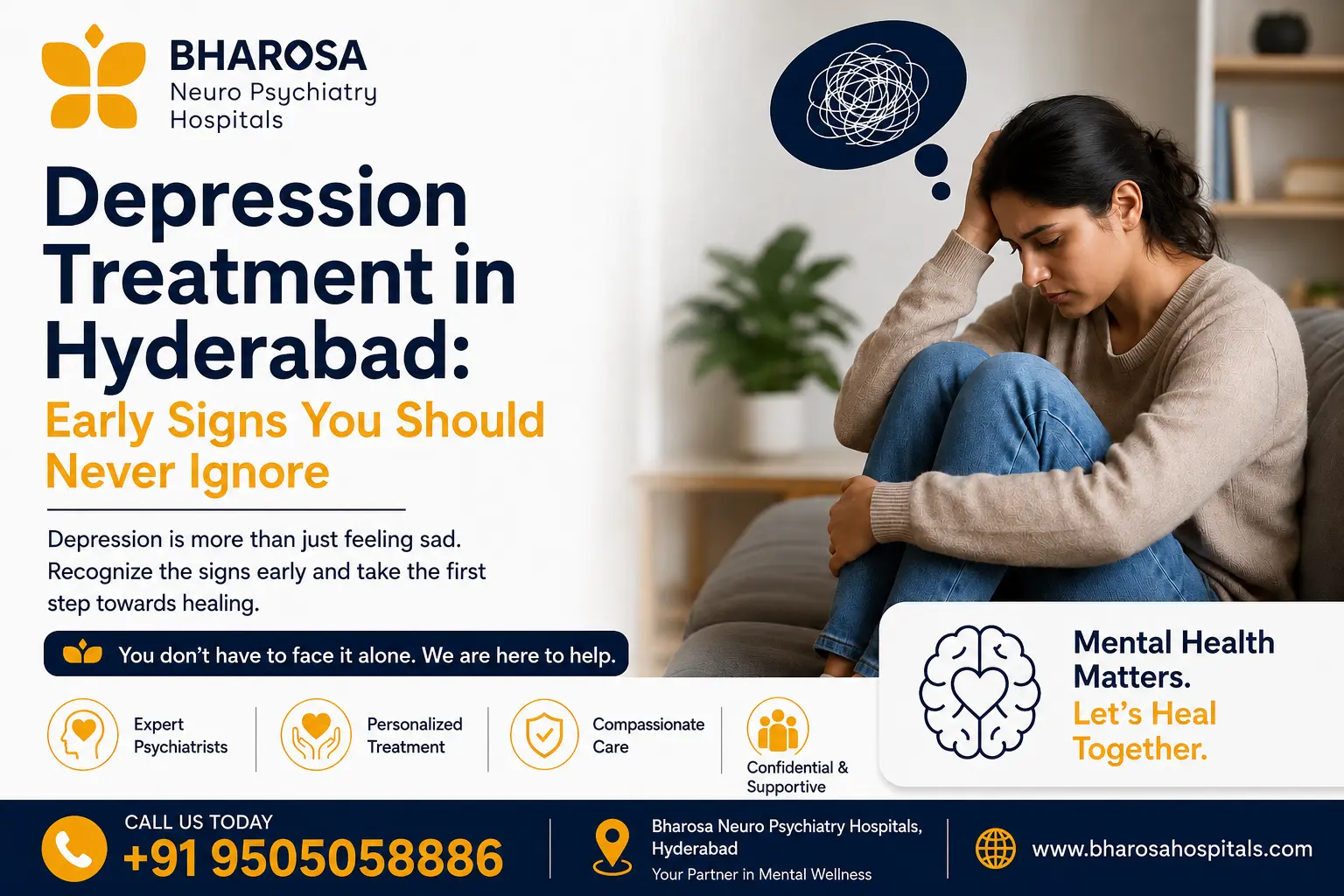
Depression is one of the most misunderstood mental health conditions in India. Many people still believe it is simply sadness, a phase that will pass on its own, or a sign of personal weakness. The reality is that clinical depression is a medical condition rooted in neurochemical imbalances, genetic factors, and psychological patterns — and it requires professional treatment, not willpower alone. Bharosa Hospitals, the leading centre for Depression Treatment in Hyderabad, combines evidence-based therapy with carefully monitored medication to help patients achieve genuine, lasting recovery.
Understanding Clinical Depression
Depression goes far beyond feeling low. It is a persistent condition that affects how a person thinks, feels, and functions in daily life. Common symptoms include persistent sadness, loss of interest in previously enjoyable activities, fatigue, sleep disturbances, appetite changes, difficulty concentrating, feelings of hopelessness or worthlessness, and in severe cases, thoughts of self-harm or suicide. When these symptoms persist for two or more weeks and significantly impair functioning, clinical depression is likely, and professional intervention becomes essential.
The Role of Medication in Depression Recovery
At Bharosa Hospitals, Depression Treatment in Hyderabad begins with a thorough psychiatric assessment to determine whether medication is appropriate and which class of antidepressant best suits the patient's neurological profile. Selective Serotonin Reuptake Inhibitors (SSRIs) are commonly prescribed as first-line treatment, working by increasing serotonin availability in the brain. Other classes, such as SNRIs, TCAs, and atypical antidepressants, may be used depending on symptom patterns and previous treatment history.
A critical point that many patients do not understand is that antidepressants typically require 4 to 8 weeks before their full effect is felt. During this period, patients may feel frustrated, leading some to discontinue medication prematurely — which is one of the most common reasons for relapse. At Bharosa Hospitals, psychiatrists provide close monitoring and regular follow-ups to adjust dosages, manage side effects, and ensure medication adherence. The 100-day structured program is particularly beneficial here because it keeps patients in a supervised environment long enough for medication to reach full therapeutic effect.
The Role of Therapy in Depression Recovery
Medication addresses the neurochemical dimension of depression, but therapy addresses the psychological roots — the thought patterns, emotional wounds, behavioural habits, and relationship dynamics that maintain or worsen depression. Bharosa Hospitals offers a comprehensive range of evidence-based therapies for depression treatment.
Cognitive Behavioural Therapy (CBT) is the gold standard for depression. It works by identifying and restructuring negative thought patterns — the internal voice that says 'I am worthless' or 'nothing will ever get better' — and replacing them with balanced, realistic thinking. CBT also addresses avoidance behaviours that deepen depression.
Behavioural Activation is another powerful technique used at Bharosa, helping patients gradually re-engage with meaningful activities to counteract withdrawal and passivity. Mindfulness-Based Cognitive Therapy (MBCT) teaches patients to observe their thoughts without being consumed by them, significantly reducing the risk of depressive relapse. Family Therapy helps repair strained relationships and builds a supportive home environment that sustains recovery. Group Therapy at Bharosa provides the powerful healing experience of shared understanding, reducing isolation and shame.
Why Both Are Needed Together
Numerous clinical studies confirm that the combination of medication and therapy produces significantly better outcomes than either approach alone. Medication stabilises the neurochemical environment, making the brain more receptive to therapeutic work. Therapy builds the psychological tools and insights that prevent relapse once medication is eventually tapered.
This is why Bharosa Hospitals integrates both seamlessly in its Depression Treatment in Hyderabad programs. Patients do not have to choose between medication and therapy — they receive both, coordinated by a multidisciplinary team, throughout their treatment journey.
Depression is treatable. With the right combination of medication, therapy, and professional support, patients can recover fully and go on to live meaningful, fulfilling lives. If you or a loved one is struggling, reach out to Bharosa Hospitals for compassionate, evidence-based Depression Treatment in Hyderabad. Call +91 95050 58886 or visit bharosahospitals.com to book a consultation today.
Frequently Asked Questions (FAQs)
Q: How long does depression treatment take at Bharosa Hospitals Hyderabad?
A: The duration varies by severity. Mild to moderate depression may respond to outpatient therapy within 3–6 months. Severe depression typically benefits from Bharosa's 100-day residential program that allows full medication optimisation and intensive therapy.
Q: Can depression be treated without medication?
A: Mild depression can sometimes be managed through therapy alone. However, moderate to severe depression almost always requires medication combined with therapy for effective recovery. Your Bharosa psychiatrist will assess your specific situation.
Q: What type of therapist treats depression at Bharosa Hospitals?
A: Bharosa Hospitals has a team of psychiatrists for medication management and clinical psychologists specialising in CBT, DBT, MBCT, family therapy, and group therapy specifically for depression treatment.
Q: Is depression treatment covered under insurance in Hyderabad?
A: Many health insurance policies cover psychiatric treatment in India under the Mental Healthcare Act 2017. Please contact your insurance provider and Bharosa Hospitals to confirm coverage details.
Q: What are the signs that someone urgently needs Depression Treatment in Hyderabad?
A: Urgent care is needed when depression is accompanied by suicidal thoughts, self-harm, complete inability to function, or psychotic symptoms. Bharosa Hospitals has a crisis and suicide support department — call +91 95050 58886 immediately.
Q: Does Bharosa Hospitals offer outpatient depression treatment?
A: Yes. Bharosa Hospitals offers both outpatient consultations and inpatient/residential programs for depression, depending on the severity of the condition and the patient's specific needs.
Bharosa Neuro Psychiatry Hospital & Rehabilitation Center
Plot No. 114, Mythripuram, Karmanghat, LB Nagar, Hyderabad – 500079
Opp. TKR College, Main Road, LB Nagar / Karmanghat, Hyderabad
+91 95050 58886 | www.bharosahospitals.com