
ADHD In Children: Symptoms, Causes And Treatment
Raising a child comes with many questions, especially when a child’s behaviour seems different from other children of the same age. In a growing city like Hyderabad and across other parts of Andhra Pradesh, many parents notice concerns such as constant restlessness, difficulty focusing, impulsive behaviour, or frequent emotional outbursts. These challenges are often dismissed as naughtiness or a phase that will pass. Over time, however, untreated difficulties can affect a child’s learning, friendships, and self confidence.
Many families hesitate to seek help due to fear of labelling or judgement. This blog explains ADHD in children in simple terms, outlines common symptoms and causes, and discusses available treatment options. It also highlights how early intervention and the right child mental health support in Hyderabad can help children thrive.
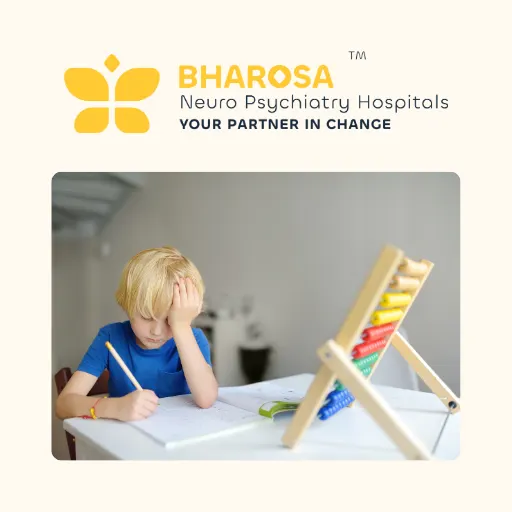
Understanding ADHD In Children
Attention Deficit Hyperactivity Disorder, commonly known as ADHD, is a neurodevelopmental condition that affects how a child pays attention, controls impulses, and manages activity levels. ADHD is not caused by poor parenting, lack of discipline, or screen time alone.
Children with ADHD often want to do well but struggle due to differences in how their brain processes attention and self regulation. With early identification and appropriate ADHD treatment, children can learn skills that support long term emotional and academic growth.
Common Symptoms Of ADHD In Children
ADHD symptoms usually appear before the age of twelve and are present in more than one setting, such as home and school. Symptoms may vary from child to child.
Difficulty With Attention
Children may
- Struggle to focus on schoolwork or instructions
- Make frequent careless mistakes
- Appear not to listen when spoken to
- Forget homework or lose belongings
- Avoid tasks that require sustained mental effort
These behaviours are often misunderstood as laziness, but they are linked to attention regulation difficulties.
Hyperactivity
Hyperactivity may include
- Constant movement or fidgeting
- Difficulty staying seated
- Excessive talking
- Running or climbing at inappropriate times
Impulsivity
Impulsivity may involve
- Acting without thinking
- Interrupting conversations or games
- Difficulty waiting for turns
- Emotional outbursts
These behaviours are not intentional and can cause frustration for both children and caregivers.
What Causes ADHD
ADHD develops due to a combination of factors rather than a single cause.
Brain Development And Genetics
Differences in brain development and brain chemistry play a major role. ADHD often runs in families, suggesting a genetic link.
Pregnancy And Early Life Factors
Certain factors may increase risk, such as
- Premature birth
- Low birth weight
- Exposure to alcohol or tobacco during pregnancy
These factors do not guarantee ADHD but may contribute in some cases.
Environmental Factors
Stressful environments or inconsistent routines can worsen symptoms, though they do not directly cause ADHD.
When Parents Should Seek Help
Parents should consider consulting a child psychiatrist or child mental health professional in Hyderabad if
- Symptoms persist for more than six months
- Behaviour is observed both at home and school
- Academic performance or peer relationships are affected
- The child’s self esteem appears to be declining
Early assessment and ADHD treatment help reduce long term academic, emotional, and behavioural challenges.
How ADHD Is Diagnosed
There is no single test for ADHD. Diagnosis involves
- Detailed discussions with parents
- Information from teachers or caregivers
- Observation of behaviour over time
- Assessment of attention, learning, and emotional functioning
A trained mental health professional evaluates whether behaviours are age appropriate or part of ADHD.
Treatment Options For ADHD In Children
ADHD treatment focuses on supporting the child’s strengths while addressing challenges in a structured and compassionate way.
Behavioural Therapy
Behavioural therapy helps children
- Improve attention and self control
- Learn emotional regulation skills
- Develop problem solving abilities
Parents are guided on consistent, positive behaviour strategies.
Parent And Family Guidance
Families receive support to
- Create structured routines
- Encourage positive behaviour
- Reduce conflict and stress at home
School Based Support
Working with schools may include
- Classroom accommodations
- Clear instructions and predictable schedules
- Extra time for tasks when needed
Medication, When Clinically Required
In some cases, medication may be recommended to help manage core ADHD symptoms. Medication decisions are made carefully and monitored regularly, keeping the child’s safety and development as the top priority.
Choosing The Right Specialist For ADHD In Children In Hyderabad
Choosing the right specialist for ADHD in children is an important decision for families seeking long term support. Parents often look for child mental health care in Hyderabad that is ethical, evidence based, and child friendly. Early intervention is key. A mental health challenge in childhood does not define a child’s future. With the right ADHD treatment and guidance, children can thrive.
At Bharosa Neuropsychiatry Hospitals, children are supported in a safe and child friendly environment designed to help young minds heal and grow. Care focuses on early intervention and comprehensive ADHD treatment in Hyderabad, addressing both the child’s needs and the family’s concerns.
Our Treatment Approach
Treating The Family System
ADHD care extends beyond the child. Parents are actively supported, recognising that a calm and understanding home environment plays a vital role in a child’s progress.
Play Therapy For Younger Children
Younger children often struggle to express emotions verbally. Play therapy allows children to communicate feelings through toys, art, and creative activities in a safe therapeutic space.
Parental Guidance And Training
Parents are guided on practical strategies to manage ADHD related behaviours without harsh punishment. The focus shifts from discipline to connection, strengthening the parent child relationship.
Medication Safety And Careful Use
Many parents worry about psychiatric medication for children. Medication is prescribed only when absolutely necessary and at the lowest effective dose, with close monitoring. The child’s safety and long term development remain the priority.
Addressing Common Myths About ADHD
ADHD is not caused by poor discipline or lack of effort. With understanding, patience, and appropriate child mental health support, children with ADHD can perform well academically and socially.
Frequently Asked Questions
Can Children Outgrow ADHD
Some children experience a reduction in symptoms as they grow older, while others may continue to have challenges into adolescence and adulthood. Early support helps build coping skills for long term success.
Can Children With ADHD Do Well In School
Yes. With appropriate strategies, school support, and encouragement, children with ADHD can succeed academically.
Is Medication Always Necessary
No. Many children improve with behavioural therapy, parental guidance, and school support. Medication is used only when clinically required.
Are ADHD Services Available In Hyderabad
Yes. Qualified child psychiatrists and child mental health professionals in Hyderabad and across Andhra Pradesh offer ADHD assessment and treatment in child friendly settings.
What Should Parents Do If They Are Unsure
If you have concerns about your child’s behaviour, seeking a professional assessment can provide clarity and guidance. Early support is always beneficial.

Delaying treatment can extend suffering, but taking action now can bring relief and clarity.
Mental health struggles do not define you, and you don’t have to face them alone. If you notice any early signs of mental health disorders in yourself or a family member, take the first step today.