
Early Psychiatric Intervention for Children: Why It Matters for Families in Hyderabad and Telangana
Parents often notice changes in mood, behavior, or learning but wonder if it is just a phase. Early recognition and timely help can prevent long term academic, social, and emotional difficulties. This is especially true for child psychiatric disorders in Hyderabad, where families balance school demands, modern stressors, and cultural expectations. At Bharosa Neuro Psychiatry Hospitals in Hyderabad, our child and adolescent team helps families understand what is typical, what needs attention, and how early care can change a child’s trajectory—gently, respectfully, and scientifically.
Signs and Symptoms of child psychiatric disorders in Hyderabad
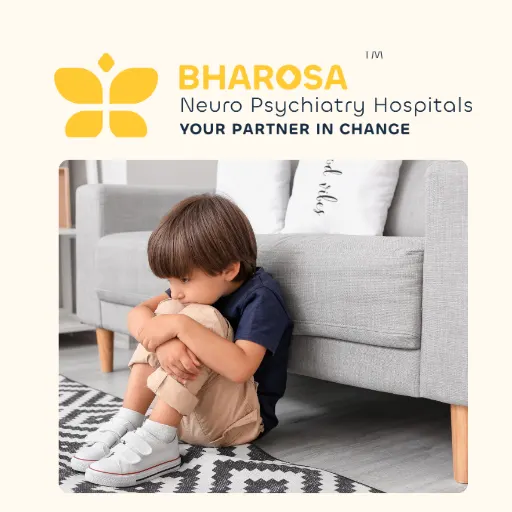
When should parents seek professional support? The signs can be subtle or obvious, brief or persistent. The following patterns may indicate a need for assessment of child psychiatric disorders in Hyderabad:
- Persistent sadness, frequent tearfulness, or withdrawal from friends and family for more than two weeks
- Excessive irritability, frequent outbursts, or changes in temperament that impact home or school life
- Marked anxiety, school refusal, panic like episodes, or separation difficulties beyond age expectations
- Attention, concentration, or organizational problems affecting class performance or daily tasks
- Hyperactivity, impulsive decisions, risk taking, or difficulty sitting still
- Sleep problems, nightmares, or unusual sleep wake cycles that affect daytime function
- Loss of interest in previously enjoyed activities, reduced motivation or energy
- Sudden decline in grades, missed homework, or learning difficulties noticed by teachers
- Repetitive behaviors or rigid routines, intense and narrow interests, challenges with social communication
- Physical complaints such as headaches or stomachaches without a clear medical cause, often linked with stress
- Changes in eating patterns, weight, or body image concerns
- Self harm behaviors, statements about hopelessness, or thoughts about not wanting to live
While any child may show occasional moodiness or stress, persistence, intensity, and impact on functioning are key indicators to seek help. Teachers, caregivers, and pediatricians often offer valuable observations that complement a parent’s perspective.
Understanding Causes and Risk Factors for child psychiatric disorders in Hyderabad
No single factor causes mental health conditions in children. Most concerns arise from a combination of biological, psychological, and social influences. Understanding risks helps parents take informed, compassionate action when they notice early warning signs related to child psychiatric disorders in Hyderabad.
- Genetics and family history: Some conditions such as ADHD, autism spectrum disorder, and mood and anxiety disorders have a heritable component. A family history does not guarantee a diagnosis but may increase vulnerability.
- Brain development and neurobiology: Differences in brain connectivity, neurotransmitter systems, and developmental milestones can influence attention, mood regulation, and social understanding.
- Prenatal and perinatal factors: Maternal health, nutrition, substance exposure, prematurity, or birth complications may contribute to later challenges.
- Temperament and coping styles: Some children are naturally more sensitive to stress or change; without support, stress can accumulate into anxiety or behavior problems.
- Stressful experiences and environment: Academic pressure, bullying, social media stress, grief, family conflict, or adverse childhood experiences can intensify symptoms. Urban stressors in large cities like Hyderabad may amplify these effects if unaddressed.
- Medical conditions: Thyroid issues, seizure disorders, sleep disorders, and nutritional deficiencies may mimic or worsen psychiatric symptoms.
- Learning differences: Undiagnosed learning disorders can trigger frustration, avoidance, or low self esteem.
Importantly, risk factors do not define a child’s future. With timely assessment, tailored therapy, and family involvement, many children show strong improvement in functioning and wellbeing.
Diagnosis Process for child psychiatric disorders in Hyderabad
A careful, stepwise evaluation ensures an accurate diagnosis and a child friendly plan. At Bharosa Neuro Psychiatry Hospitals, we prioritize a thorough, respectful approach to child psychiatric disorders in Hyderabad:
- Comprehensive history: We review developmental milestones, medical history, school feedback, family context, and the timeline of symptoms. Parental concerns guide the process.
- Clinical interview and observation: A child and adolescent psychiatrist and clinical psychologist meet the child, observe behavior, and explore emotions, thoughts, and interactions.
- Standardized rating scales: Age appropriate questionnaires for parents and teachers assess attention, behavior, mood, anxiety, and social functioning.
- Cognitive and academic screening: When indicated, assessments help identify learning difficulties or strengths essential for school planning.
- Physical examination and labs: To rule out medical contributors such as thyroid imbalance, anemia, or sleep disorders, tests may be recommended based on clinical judgment.
- Diagnostic framework: Evidence based criteria such as DSM-5-TR guide clarity on conditions like ADHD, anxiety disorders, depression, autism spectrum disorder, tic disorders, and others.
- Differential diagnosis and comorbidity: Many children have overlapping symptoms; we distinguish between similar presentations to avoid over or under treatment.
- Collaborative feedback session: Parents receive clear explanations, a documented plan, and recommendations coordinated with school and family supports.
This process emphasizes empathy and education, reducing stigma and improving adherence to care.
Effective Treatment Options for child psychiatric disorders in Hyderabad
Early, individualized care helps children build skills for home, school, and friendships. Treatment for child psychiatric disorders in Hyderabad typically combines therapies, skills training, environmental supports, and sometimes medication:
Psychological and behavioral therapies
- Parent management training: Equips caregivers with strategies to manage challenging behaviors, build routines, and support positive behavior.
- Cognitive behavioral therapy (CBT): Helps children identify and manage anxious or negative thoughts and develops coping, problem solving, and resilience.
- Play therapy and child centered therapies: Facilitates emotional expression and trauma processing in age appropriate ways.
- Social skills training: Supports communication, peer interaction, and conflict resolution, especially useful for autism spectrum and social anxiety.
- Habit reversal and exposure based techniques: Useful for tics, OCD, and specific phobias.
Developmental and allied supports
- Speech and language therapy: Enhances communication and social reciprocity where needed.
- Occupational therapy (OT): Builds sensory integration, attention, fine motor skills, and daily functioning.
- School collaboration: Classroom adjustments, Individualized Education Plans (IEPs), and exam accommodations align treatment with academic success.
Medication when indicated
- ADHD: Stimulants or non stimulants can improve attention, impulse control, and classroom behavior when used responsibly and monitored.
- Anxiety and depression: SSRIs may be recommended for moderate to severe symptoms alongside therapy.
- Irritability, severe mood or behavioral dysregulation, and tics: Specific medications, carefully chosen and monitored by a child psychiatrist, can reduce symptom intensity.
Lifestyle and family care
- Sleep hygiene, balanced nutrition, regular physical activity, and limited screen time are foundational.
- Family psycho education: Understanding a child’s diagnosis reduces blame, improves consistency, and strengthens the home school partnership.
- Safety planning: For self harm risk or severe behavioral concerns, a clear safety plan is made with parents and caregivers.
Treatment is never one size fits all. Plans are adjusted over time based on response, growth, and family feedback.
Bharosa Neuro-Psychiatry Hospitals’ Approach to child psychiatric disorders in Hyderabad
Families trust Bharosa for comprehensive, family centered child mental health care across Hyderabad, Telangana, and neighboring districts of Andhra Pradesh. We deliver ethical, evidence based treatment for child psychiatric disorders in Hyderabad through a multidisciplinary model:
- Team based care: Child and adolescent psychiatrists, clinical psychologists, pediatric neurologists when needed, occupational and speech therapists, and counselors work together.
- Early intervention clinics: Focused screening for attention, mood, behavior, learning, and developmental concerns streamlines access to timely care.
- Individualized care plans: Each treatment plan is co created with parents, aligned with school expectations, and reviewed regularly for progress.
- Cultural sensitivity: We respect family values, languages, and preferences, ensuring that strategies are practical for real life in Hyderabad.
- School and pediatric liaison: With consent, our team coordinates with teachers and pediatricians, creating a consistent support network.
- Measurement based care: Symptom tracking and standardized scales help fine tune therapy and medication decisions.
- Continuity and follow up: Structured follow ups, tele consults, and caregiver coaching strengthen long term outcomes.
FAQs on child psychiatric disorders in Hyderabad
Q1. When should I seek help for my child?
A. If symptoms persist beyond a few weeks, disrupt school or home life, or cause distress, an evaluation is helpful. Early input prevents complications and promotes healthier development.
Q2. Are medicines always required?
A. Not always. Many children improve with therapy, parent training, and school supports. Medication is considered when symptoms are moderate to severe, significantly impairing, or when evidence strongly supports combined treatment.
Q3. Can school support be part of treatment?
A. Yes. Collaboration with teachers can lead to classroom adjustments, structured routines, and fair assessments. This alignment often accelerates progress and reduces stress for the child.
Q4. How soon can we see improvement?
A. Some children respond within weeks; others need several months. Progress depends on diagnosis, severity, consistency with therapy, family involvement, and school coordination.
Q5. Is care different for younger children versus adolescents?
A. Yes. Younger children benefit from play based therapies and parent training, while adolescents often engage with CBT, skills training, and, when needed, medication. Plans are developmentally tailored.
Q6. What makes early intervention so important in child psychiatric disorders in Hyderabad?
A. Early care reduces academic decline, improves peer relationships, prevents crises, and builds coping skills. In busy urban settings, timely support helps children thrive despite academic pressure and social stress.
Evidence based resource
For reliable information on children’s mental health and treatments, see the National Institute of Mental Health (NIMH)

Delaying treatment can extend suffering, but taking action now can bring relief and clarity.
If you are concerned about your child’s emotions, behavior, or learning, our team at Bharosa Neuro Psychiatry Hospitals is here to help with careful assessment, compassionate therapy, and continuous guidance. To schedule an evaluation or learn about services for your family in Hyderabad, Telangana, or Andhra Pradesh, visit us.