
Lifestyle Changes That Reduce Depression | Bharosa Hospitals
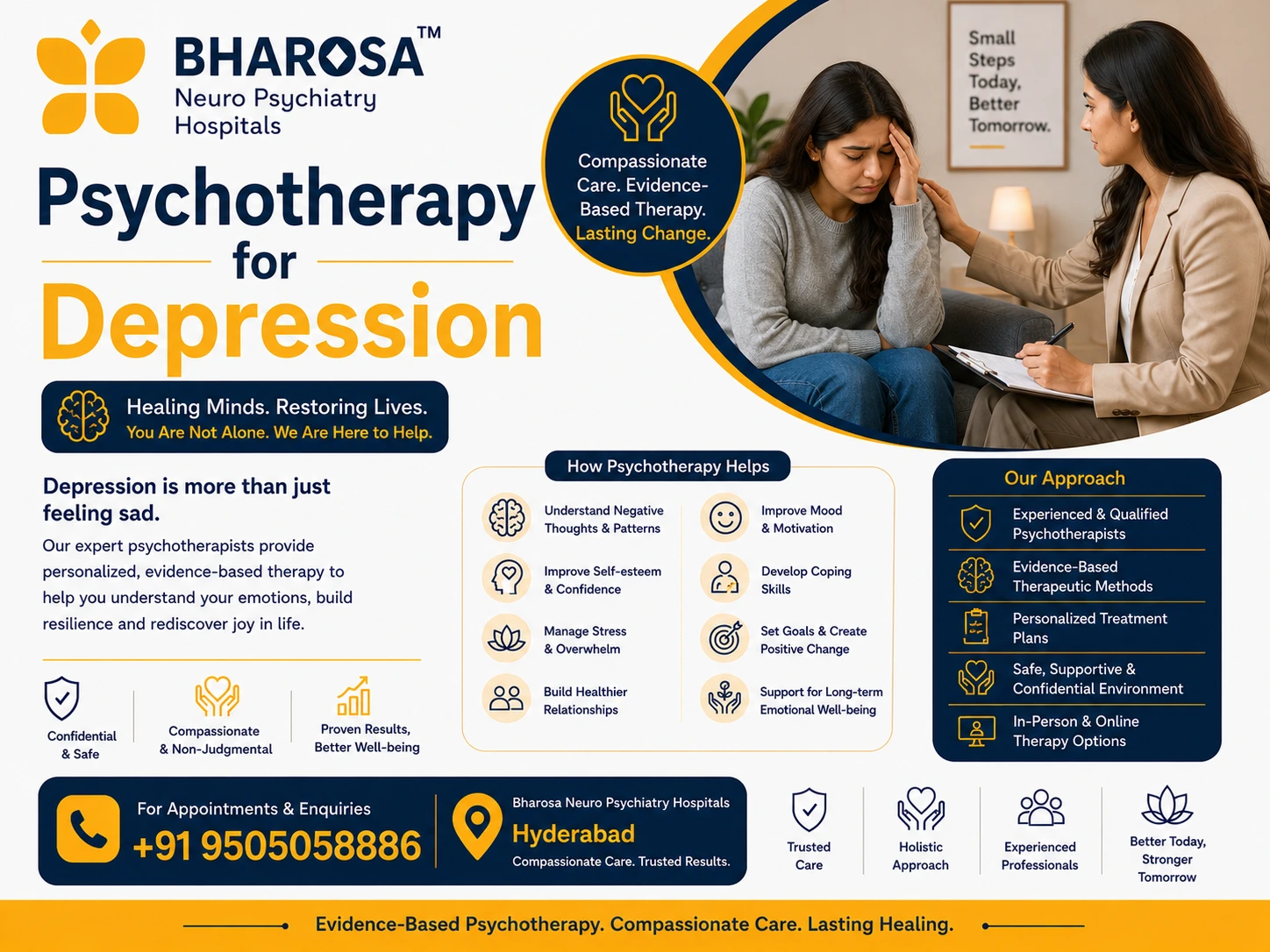
Depression is a complex condition influenced by biological, psychological, and environmental factors. While professional treatment is essential for managing depression effectively, certain lifestyle changes can meaningfully support recovery when combined with clinical care. It's important to understand that lifestyle adjustments work best alongside — not as a replacement for — Psychotherapy for Depression. This blog explores practical, sustainable changes that can complement professional treatment.
Understanding the Role of Lifestyle in Depression
Depression affects brain chemistry, energy levels, motivation, and sleep patterns, often creating a cycle where symptoms make healthy habits harder to maintain, and the absence of those habits worsens symptoms further. Breaking this cycle usually requires professional guidance, but small, consistent lifestyle changes can help support the healing process alongside therapy.
Lifestyle Changes That Support Depression Recovery
1. Establishing a Consistent Sleep Routine
Depression and sleep disturbances are closely linked. Going to bed and waking up at consistent times, even when motivation is low, helps regulate the body's internal clock and can gradually improve mood stability.
2. Regular Physical Movement
Exercise doesn't need to be intense to be beneficial. Even a 20–30 minute walk several times a week can boost endorphin levels and provide a meaningful sense of accomplishment, which is often diminished during depressive episodes.
3. Structured Daily Routine
Depression often strips away structure, leading to unpredictable sleep, meals, and activity. Rebuilding even a simple daily routine — consistent wake times, meals, and small tasks — can provide a sense of stability and control.
4. Balanced Nutrition
While food isn't a cure for depression, nutrient deficiencies (such as low B12, vitamin D, or omega-3 levels) can worsen mood symptoms. A balanced diet supports overall brain function and energy levels.
5. Limiting Alcohol and Substance Use
Alcohol is a depressant and can worsen mood symptoms over time, even if it offers short-term relief. Reducing reliance on substances is an important part of sustainable recovery.
6. Reducing Social Isolation
Depression often drives people to withdraw from others, which in turn deepens feelings of loneliness. Making small efforts to maintain social contact — even brief interactions — can help counteract this cycle.
7. Mindfulness and Relaxation Practices
Techniques such as deep breathing, meditation, or gentle yoga can help reduce the physiological stress response that often accompanies depression, creating space for more balanced emotional processing.
8. Setting Small, Achievable Goals
Large tasks can feel overwhelming during depressive episodes. Breaking goals into small, manageable steps helps rebuild a sense of accomplishment and motivation over time.
9. Limiting Screen Time and Social Media
Excessive screen time, particularly social media, has been linked to worsened mood and increased feelings of inadequacy. Setting boundaries around usage can support emotional wellbeing.
10. Spending Time in Sunlight and Nature
Natural light exposure supports healthy circadian rhythms and vitamin D levels, both of which play a role in mood regulation.
Why Lifestyle Changes Alone Aren't Enough
While these changes can meaningfully support recovery, depression is a clinical condition that often requires professional intervention. Attempting to manage moderate to severe depression through lifestyle changes alone can delay necessary treatment and prolong suffering. This is why Psychotherapy for Depression remains the foundation of effective treatment, with lifestyle changes serving as a valuable complement.
How Psychotherapy Helps
Structured therapy — particularly Cognitive Behavioral Therapy (CBT) — helps individuals identify and reframe negative thought patterns, develop healthier coping mechanisms, and address underlying causes of depression that lifestyle changes alone cannot resolve. In moderate to severe cases, therapy combined with psychiatric evaluation and medication often produces the best outcomes.
Treatment Approach at Bharosa Hospitals
At Bharosa Hospitals, our approach to depression combines:
- Individual Psychotherapy – Evidence-based talk therapy tailored to each patient's specific experience of depression
- Psychiatric Evaluation – Assessing whether medication support is needed alongside therapy
- Lifestyle Counseling – Practical guidance on sleep, nutrition, and routine-building to support recovery
- Family Involvement – Educating families on how to provide effective, non-judgmental support
- Structured Recovery Programs – Longer-term programs for individuals needing more intensive, consistent support
Why Choose Bharosa Hospitals
Our experienced clinical team understands that depression recovery isn't linear — it requires patience, consistency, and the right combination of professional treatment and lifestyle support. Through comprehensive Psychotherapy for Depression, we help patients not only manage symptoms but rebuild a fulfilling, balanced life.
If you or a loved one is struggling with depression, don't wait for things to improve on their own. Reach out to our team for a confidential consultation.
FAQs
Q1. Can lifestyle changes alone cure depression?
No, lifestyle changes support recovery but are not a substitute for professional treatment, especially for moderate to severe depression.
Q2. How much exercise is needed to help with depression?
Even 20–30 minutes of moderate physical activity, several times a week, can meaningfully support mood regulation alongside professional treatment.
Q3. Does diet really affect depression symptoms?
Yes, nutrient deficiencies can worsen mood symptoms, so a balanced diet can support overall brain function, though it isn't a standalone treatment.
Q4. How long does psychotherapy for depression usually take?
This varies by individual, but many people notice meaningful improvement within 8–12 sessions of consistent therapy.
Q5. Is medication always necessary for depression?
Not always. Mild depression may respond well to therapy and lifestyle changes alone, while moderate to severe cases often benefit from combined therapy and medication.
Hospital Address
Bharosa Neuro Psychiatry Hospital
Plot No. 114, Mythripuram, Karmanghat, Opposite TKR College Comman (TKR Kamaan), Main Road, LB Nagar / Karmanghat, Hyderabad – 500079, Telangana
Call : 9505058886