
Complete Guide to De-Addiction Treatment: What Happens During Recovery?
One of the biggest barriers to seeking help for addiction is fear of the unknown. For many families in Hyderabad, the word "rehabilitation" or "de-addiction" brings up images of punishment, isolation, or harsh treatment. This misconception often delays critical care, allowing the addiction to worsen.
The truth is, addiction is not a choice or a moral failure; it is a chronic disease that affects the brain's reward system. Just like diabetes or hypertension, it requires medical intervention.
At Bharosa Neuro-Psychiatry Hospital in LB Nagar, Hyderabad, we believe in a scientific, compassionate, and dignified approach to recovery. Whether it is alcohol addiction treatment or recovery from drug dependency, knowing exactly what happens inside a de-addiction center can give you the confidence to take the first step.
This guide walks you through the 5 stages of recovery to help you understand the journey from dependency to freedom.
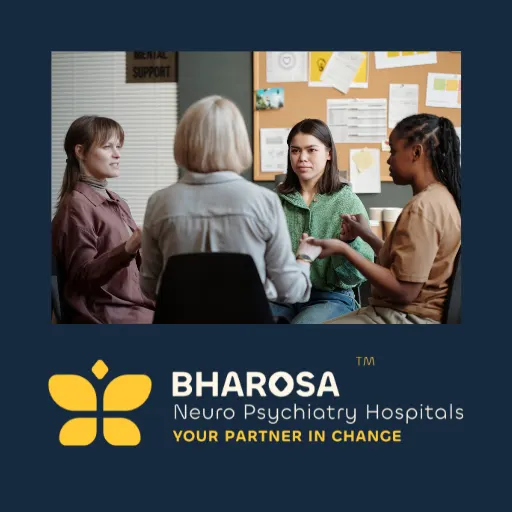
Step 1: Admission and Evaluation (The First 24 Hours)
The journey begins with a comprehensive assessment. When a patient arrives at our drug de-addiction center in Hyderabad, we don't just look at the addiction; we look at the whole person.
- Medical Check-up: A thorough physical examination to check liver function, heart health, and nutritional levels, which are often compromised due to substance abuse.
- Psychiatric Assessment: Our senior psychiatrists evaluate the patient for co-occurring mental health issues like depression or anxiety (Dual Diagnosis).
- Substance History: Understanding what substances were used, the frequency, and the duration helps us create a safe detox plan.
Goal: To create a personalized roadmap for recovery that ensures safety and comfort.
Step 2: Medical Detoxification (Managing Withdrawal)
This is often the stage patients fear the most. When you stop using alcohol or drugs after long-term use, the body reacts with withdrawal symptoms. These can range from tremors and sweating to seizures in severe cases.
At Bharosa, you do not have to go through this alone or in pain.
- 24/7 Monitoring: Patients are kept under strict medical observation.
- Medication-Assisted Treatment: We use safe, approved medications to manage withdrawal symptoms, reduce cravings, and prevent complications like seizures.
- Stabilization: The focus is on flushing the toxins out of the body safely while keeping the patient as comfortable as possible.
Key Takeaway: Detox breaks the physical dependence on the substance. It usually lasts from a few days to a week, depending on the severity of addiction.
Step 3: Psychological Therapy and Counseling
Once the body is toxin-free (detoxed), the mind often wakes up to emotions that were suppressed by the substance. This is where the core work of recovery happens.
Medicine heals the body, but therapy heals the mind.
- Individual Counseling: Patients work one-on-one with psychologists to identify why they started using. Was it stress? Peer pressure? Trauma?
- Cognitive Behavioral Therapy (CBT): This helps patients recognize triggers and change negative thought patterns.
- Group Therapy: Sharing experiences with others in recovery helps reduce the feeling of isolation and shame.
Step 4: Rehabilitation and Skill Building
Recovery isn't just about stopping drugs or alcohol; it's about learning how to live life without them. At our mental health hospital in Telangana, we focus on holistic rehabilitation.
- Routine and Discipline: Establishing a healthy sleep-wake cycle and daily routine.
- Stress Management: Teaching patients healthy ways to handle stress, such as yoga, meditation, and breathing exercises.
- Nutritional Support: A healthy diet to repair the physical damage caused by addiction.
- Family Counseling: Addiction affects the whole family. We conduct sessions to help spouses and parents understand the disease, stop enabling behaviors, and build a supportive home environment.
Step 5: Discharge Planning and Aftercare
The real test begins when the patient leaves the safe environment of the hospital. "Relapse" (returning to substance use) is a risk, but it can be prevented with a strong plan.
Before discharge, we ensure:
- Follow-up Appointments: Regular check-ins with the psychiatrist to monitor progress.
- Relapse Prevention Plan: Identifying high-risk situations (like weddings or parties) and planning how to say "no."
- Medication Compliance: Ensuring the patient continues any necessary medication for mental health stability.
Why Choose Bharosa Neuro-Psychiatry Hospital for De-Addiction?
We understand that sending a loved one to rehab is a difficult decision. Here is why families across Hyderabad trust Bharosa:
- Medical Safety: We are a fully equipped hospital, not just a rehab center. We can handle medical emergencies and complex withdrawal symptoms safely.
- Confidentiality: We respect the privacy of our patients and their families. Your treatment details are strictly confidential.
- Holistic Care: We treat the addiction and the underlying mental health issues simultaneously.
- Compassionate Staff: Our doctors, nurses, and counselors are trained to treat patients with dignity, never with judgment or harshness.
- Accessible Location: Located in LB Nagar, we are easily accessible for families in Hyderabad and surrounding districts.
FAQ's
The duration varies based on the substance and severity of addiction. A typical program ranges from 2 to 4 weeks for inpatient care, followed by outpatient follow-ups.
We prioritize patient comfort. While withdrawal can be uncomfortable, our medical team uses medication to significantly reduce pain and distress during the detox phase.
No. Bharosa is a hospital, not a prison. While we have restricted access to ensure safety and prevent access to substances, patients are treated with respect and care in a medical environment.
Yes, family involvement is encouraged, especially during counseling sessions. However, visits may be regulated during the initial detox phase to allow the patient to rest and stabilize.

Talk to our de-addiction specialists today. We are here to listen and guide you without judgment.
Addiction does not get better on its own; it requires professional medical help. Do not let fear of the process stop you from saving a life.
“Recovery is a journey, and it begins with a single step. Let Bharosa be your partner in this new chapter of life.”