

Schizophrenia Treatment & Rehabilitation
Bharosa Neuro Psychiatry Hospitals
Advanced Schizophrenia Treatment & Rehabilitation
Schizophrenia is often misunderstood as a "split personality," but in medical reality, it is a chronic brain disorder that affects how a person thinks, feels, and perceives the world. For the patient, reality can become a terrifying maze of voices and confusion. For the family, seeing a loved one withdraw or speak irrationally is heartbreaking.
At Bharosa Neuropsychiatry Hospitals, we want you to know: Schizophrenia is treatable. With the right combination of medication, therapy, and rehabilitation, individuals can manage their symptoms, regain their independence, and live fulfilling lives. We provide a safe harbor where the noise stops and healing begins.
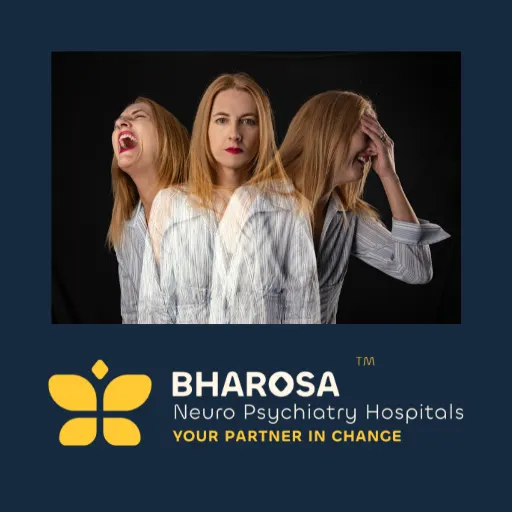
Understanding the Symptoms
It’s Not Just "Hearing Voices"
Schizophrenia is complex. Symptoms usually emerge between the ages of 16 and 30.
We categorize them into three areas to determine the best treatment plan:
1. Positive Symptoms
- Hallucinations: Seeing things or hearing voices that others do not .
- Delusions: False, fixed beliefs (e.g., believing the government is spying on them or they have special powers).
- Disorganized Thinking: Jumping between unrelated topics or speaking in "word salads."
2. Negative Symptoms
- Flat Affect: Showing no facial emotion or speaking in a dull voice.
- Withdrawal: Isolating from friends and family.
- Neglect: Stopping personal hygiene or daily chores.
3. Cognitive Symptoms
- Difficulty focusing, memory issues, and trouble making decisions.
Myths vs. Facts
Society often fears what it does not understand.
- Myth: People with Schizophrenia are violent.
- Fact: They are rarely violent. In fact, they are more likely to be victims of violence due to their vulnerability.
- Myth: It is caused by bad parenting.
- Fact: It is a biological brain disorder involving genetics and neurotransmitters (Dopamine/Glutamate). It is not anyone's "fault."
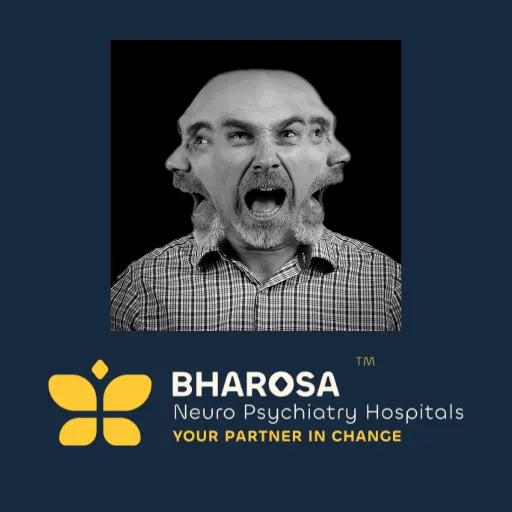
Our Multidisciplinary Treatment Protocol
Schizophrenia requires a lifelong management plan, much like diabetes or hypertension.
1. Pharmacotherapy (Medication Management)
Antipsychotic medication is the cornerstone of treatment. Our senior psychiatrists specialize in finding the "Sweet Spot"—the lowest effective dose that controls hallucinations without causing severe side effects (like sedation or weight gain).
2. Psychotherapy (CBT for Psychosis)
Once medication stabilizes the mind, therapy helps the patient distinguish between reality and delusions. We teach coping mechanisms to ignore the voices and manage stress.
3. Family Psychoeducation
The family is the patient's primary support system. We train family members on:
- How to communicate during an episode.
- How to ensure medication compliance.
- Recognizing early warning signs of relape.
4. Vocational Rehabilitation
We believe in dignity through work. Our rehab program helps patients relearn social skills and vocational tasks, empowering them to return to the workforce or education.
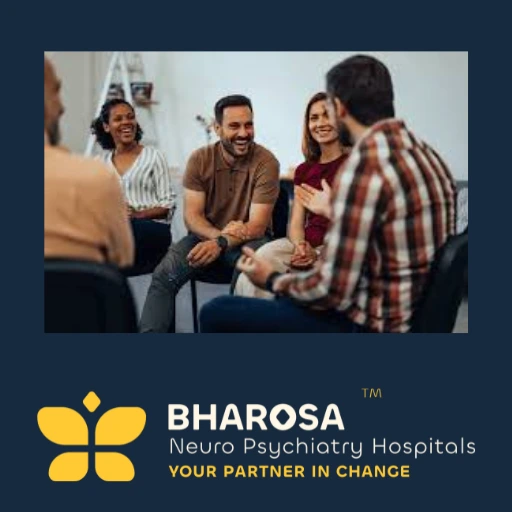
World-Class Facilities for Recovery
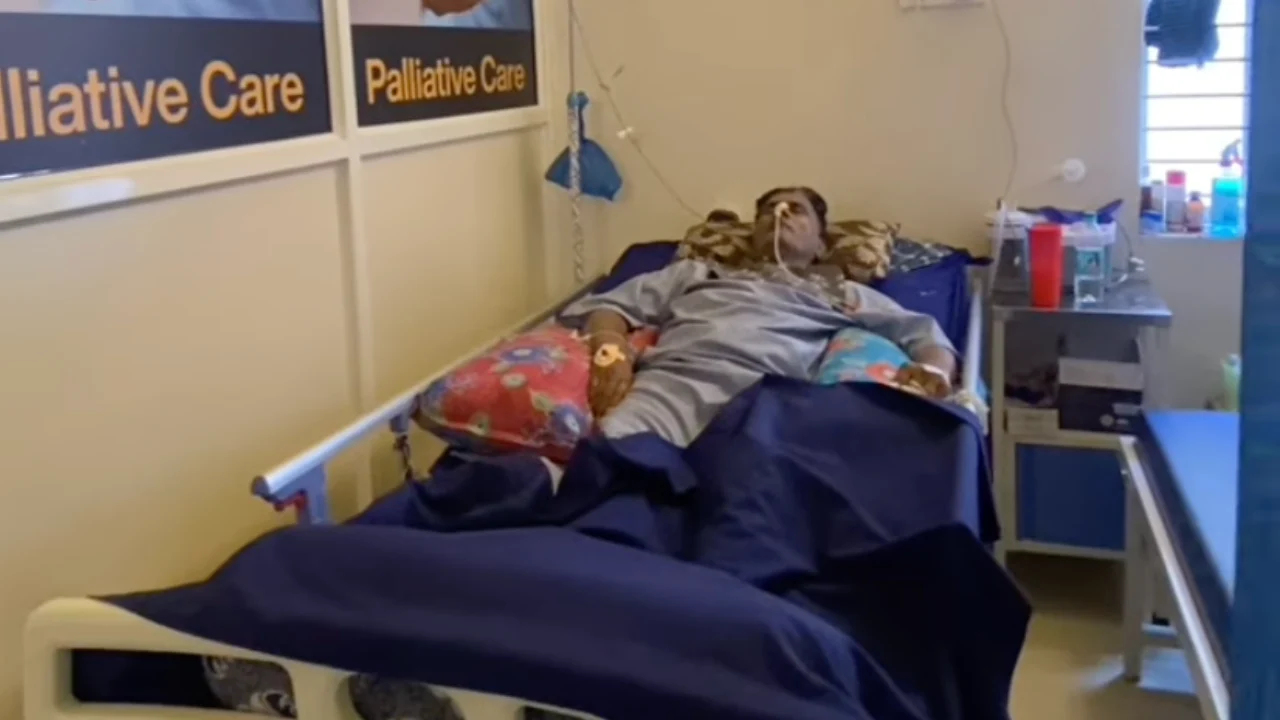
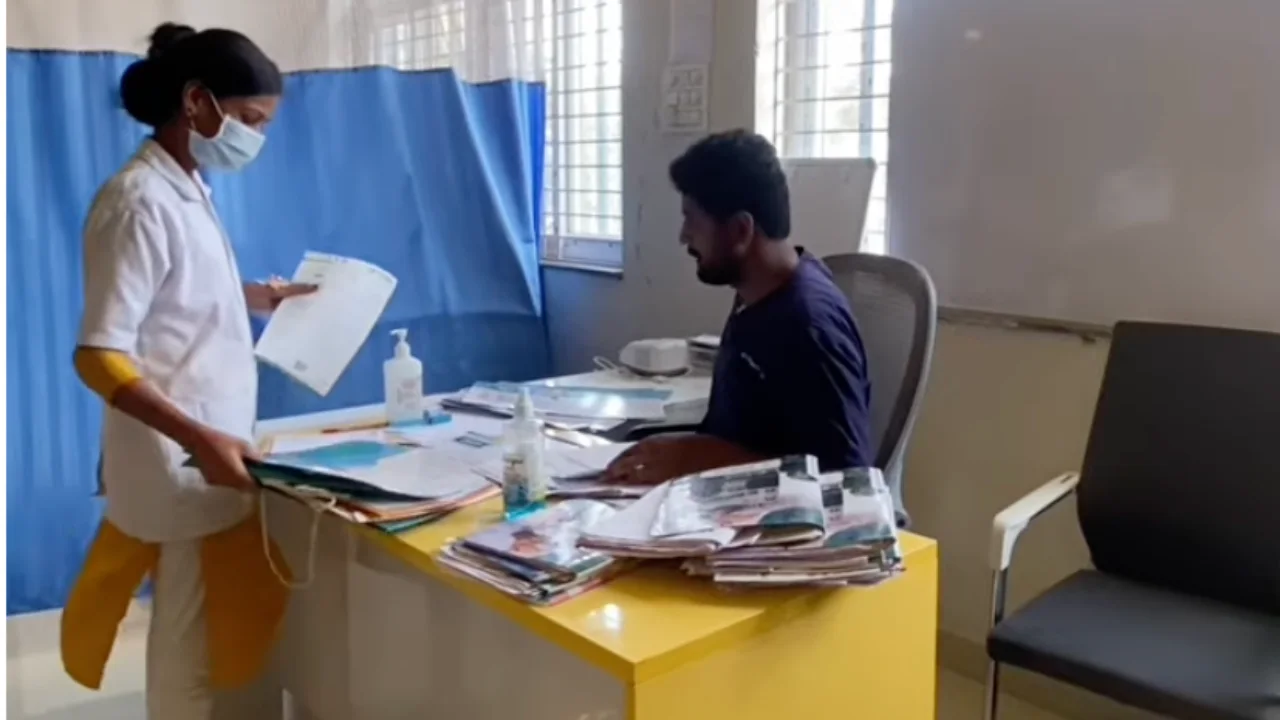
Recovery requires a dignified environment. Bharosa Neuropsychiatry Hospitals offers:
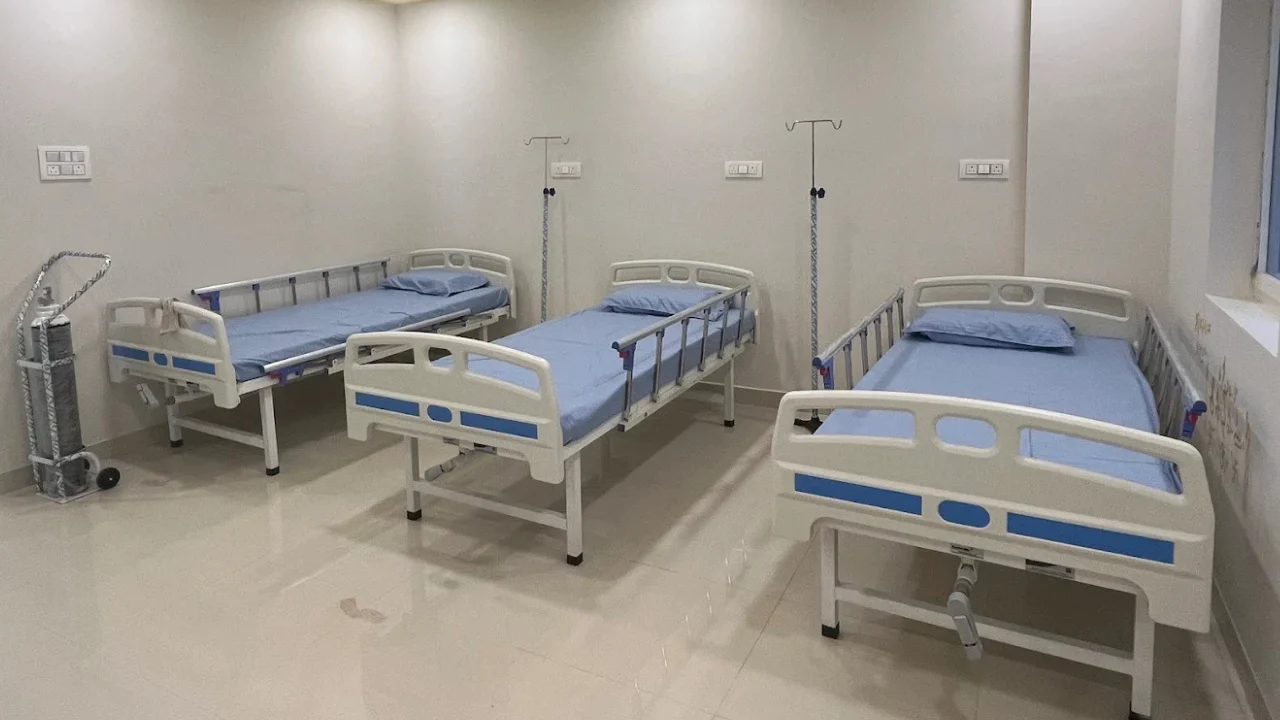
Secure & Safe Wards: Preventing access to substances.
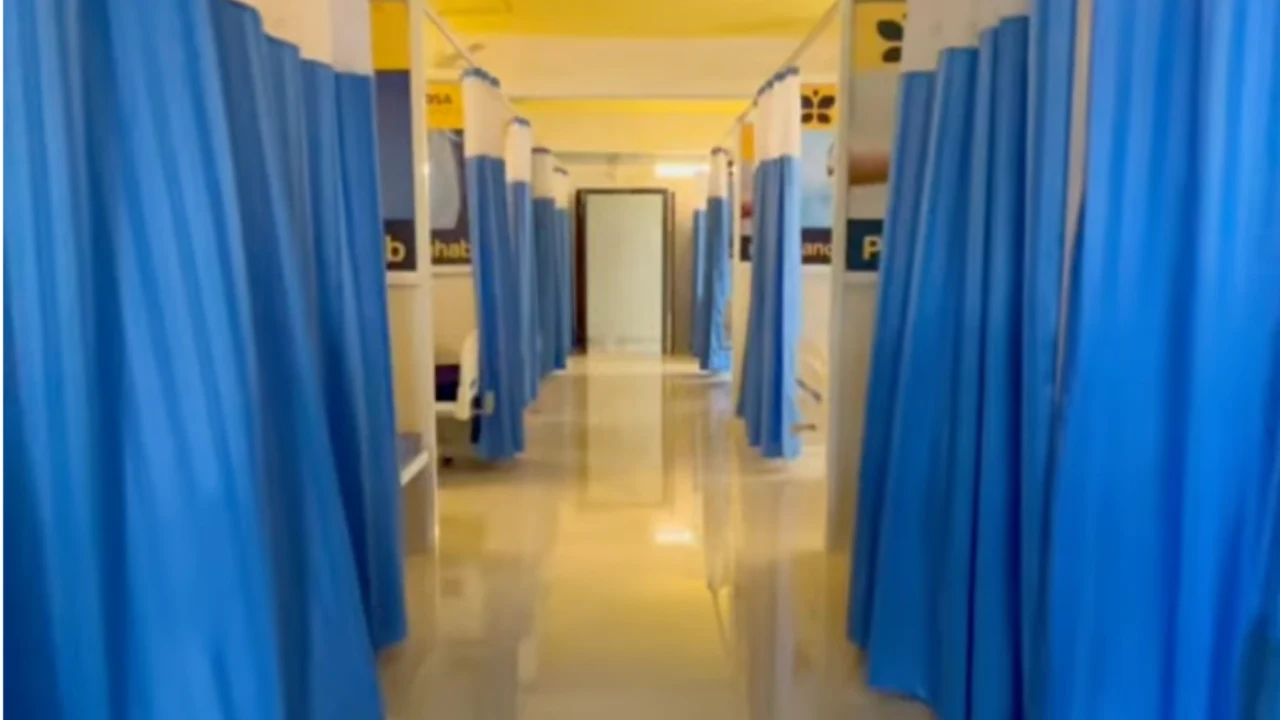
Private & Shared Rooms: Clean, hygienic, and comfortable living spaces.
Recreational Zones: Indoor games and green spaces to rediscover joy without intoxication.
24/7 Emergency Medical Unit: On-site doctors for any physical health complications.
Frequently Asked Questions
There is currently no cure, but it is highly manageable. With consistent treatment, many patients enter "remission" where symptoms are minimal, allowing them to work, marry, and live normal lives.
"Anosognosia" (lack of insight) is a common symptom—they genuinely don't believe they are sick. We recommend bringing them to our hospital for a professional intervention. In severe cases, involuntary admission may be necessary for their safety.
Electroconvulsive Therapy (ECT) is a safe and effective option only for severe cases (Catatonia) or when medication fails to work. It is performed under anesthesia and is not painful.

Bring Them Back to Reality.
Do not let Schizophrenia steal the person you love. The earlier treatment begins, the better the long-term outlook. Let our experts guide your family out of the darkness.