
Bipolar Disorder Treatment in Hyderabad — Comprehensive Care at Bharosa Hospitals
Bipolar disorder is one of the most misunderstood psychiatric conditions in India. Families often spend years searching for answers while their loved one cycles between devastating depressive episodes and destabilising manic highs. At Bharosa Neuro Psychiatry Hospital in Hyderabad, we have treated thousands of patients living with bipolar disorder, helping them achieve lasting mood stability through evidence-based psychiatry, structured therapy, and round-the-clock clinical support. If you or someone you love is struggling with extreme mood swings, irritability, impulsive behaviour, or prolonged depression, our NABH-accredited facility at LB Nagar offers a clear, medically proven path to recovery.
What Is Bipolar Disorder? Understanding the Condition
Bipolar disorder, previously known as manic-depressive illness, is a chronic mental health condition characterised by unusual shifts in mood, energy, activity levels, and the ability to carry out everyday tasks. These shifts go far beyond the ordinary ups and downs that everyone experiences. During a manic episode, a person may feel euphoric, sleep very little, talk rapidly, spend money recklessly, or make dangerous decisions. During a depressive episode, the same person may feel hopeless, withdraw from family, lose interest in work, and even contemplate self-harm.
The condition typically appears in late adolescence or early adulthood, although it can develop at any age. According to the World Health Organization, bipolar disorder affects approximately 45 million people worldwide. In India, cultural stigma and lack of awareness mean that many patients go undiagnosed for five to ten years, during which time the disorder can cause irreparable damage to careers, relationships, and physical health.
Types of Bipolar Disorder
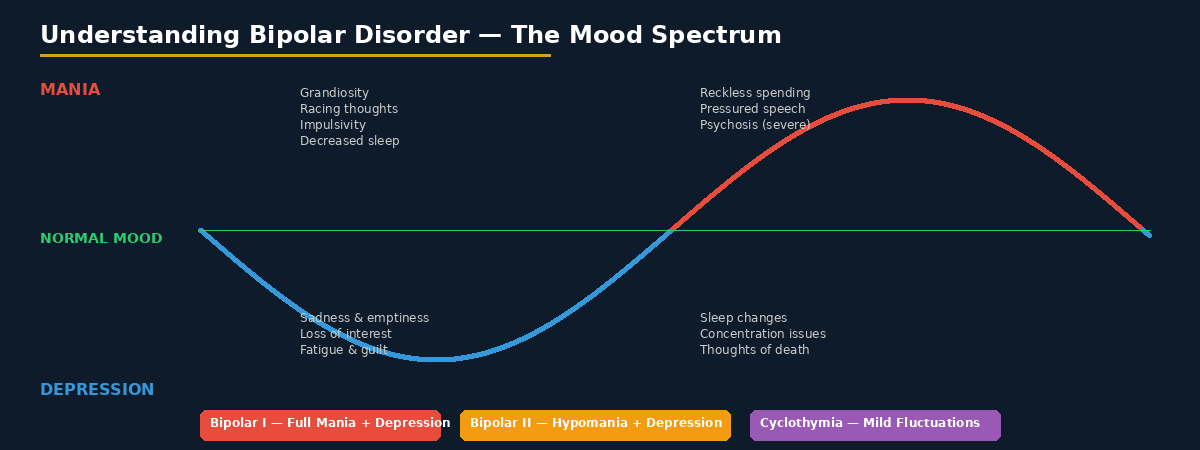
Bipolar I Disorder involves manic episodes lasting at least seven days, often severe enough to require hospitalisation. Depressive episodes typically last two weeks or longer. Some patients experience mixed episodes where manic and depressive symptoms occur simultaneously.
Bipolar II Disorder is defined by a pattern of depressive episodes and hypomanic episodes — less severe than the full-blown mania of Bipolar I, but still capable of disrupting daily life and relationships. Many patients with Bipolar II are initially misdiagnosed with major depression.
Cyclothymic Disorder involves chronic fluctuating moods with periods of hypomanic and depressive symptoms lasting for at least two years. While less severe, cyclothymia significantly impairs quality of life if left untreated.
Signs and Symptoms of Bipolar Disorder
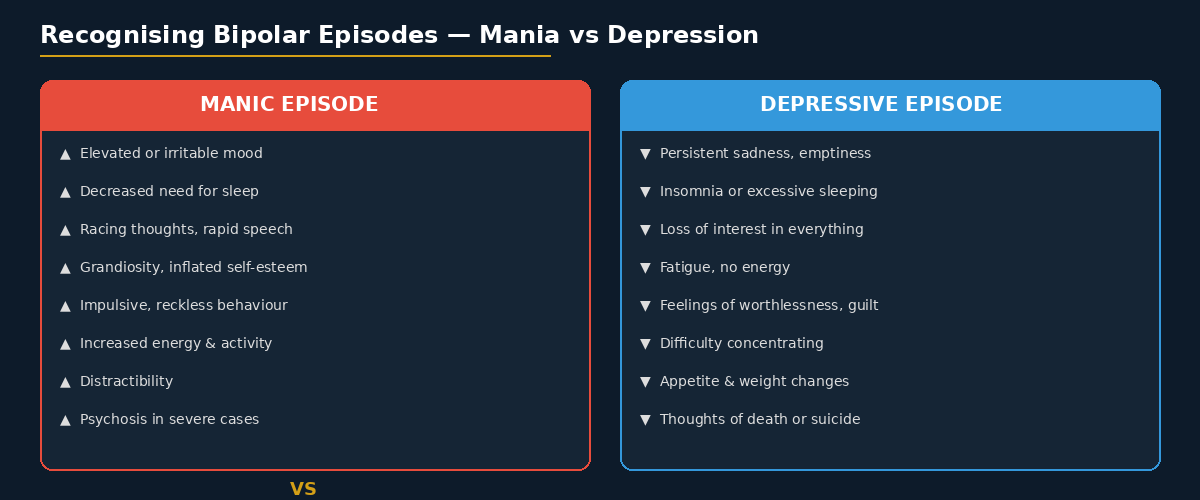
Manic Episode Symptoms
- Abnormally elevated or irritable mood lasting days or weeks
- Decreased need for sleep without feeling tired
- Racing thoughts and rapid, pressured speech
- Grandiose beliefs about abilities or importance
- Impulsive or reckless behaviour: overspending, risky sexual activity, dangerous driving
- Difficulty maintaining focus on tasks or conversations
- In severe cases, psychotic features such as delusions or hallucinations
Depressive Episode Symptoms
- Persistent sadness, emptiness, or hopelessness lasting two weeks or more
- Complete loss of interest in previously enjoyed activities
- Significant changes in appetite and weight
- Insomnia or excessive sleeping
- Fatigue and loss of energy even with adequate rest
- Difficulty concentrating or making decisions
- Recurring thoughts of death or suicide
At Bharosa Hospitals, our team of 10+ MD psychiatrists uses standardised clinical assessment tools including the Young Mania Rating Scale (YMRS) and Hamilton Depression Rating Scale (HAM-D) to accurately diagnose bipolar disorder subtype and severity, ensuring that every patient receives the precise treatment they need.
Why Choose Bharosa Hospitals for Bipolar Disorder Treatment in Hyderabad?
Choosing where to seek treatment for bipolar disorder is one of the most important decisions a family will make. At Bharosa Neuro Psychiatry Hospital, we combine world-class clinical expertise with a deeply compassionate treatment environment that has helped more than 5,000 families reclaim their lives from mental illness.
NABH-Accredited Facility with 110 Beds
Our hospital at Plot No. 114, Mythripuram, Karmanghat, LB Nagar, Hyderabad 500079, holds full accreditation from the National Accreditation Board for Hospitals and Healthcare Providers (NABH). This certification ensures that every clinical protocol, safety standard, and patient care process meets the highest benchmarks in Indian healthcare. With 110 dedicated beds, we provide both acute stabilisation and long-term residential care for bipolar disorder patients.
Team of 10+ MD Psychiatrists Led by Dr. Uday Kiran
Our clinical team is led by Dr. Uday Kiran, MBBS, MD Psychiatry from Osmania Medical College, who brings extensive experience in diagnosing and treating complex mood disorders. Dr. Kiran and his team of more than ten board-certified psychiatrists collaborate on every case through weekly multidisciplinary review meetings, ensuring continuity of care and rapid treatment adjustments when needed.
The 100-Day Recovery Program for Bipolar Disorder
Our signature 100-Day Recovery Program has been specifically designed for chronic and severe psychiatric conditions including bipolar disorder. The programme is divided into three structured phases that address acute stabilisation, therapeutic rehabilitation, and relapse prevention. This intensive yet compassionate framework gives patients the time and clinical support necessary to achieve genuine, lasting stability rather than temporary symptom suppression.
Our Evidence-Based Bipolar Disorder Treatment Protocol
Phase 1: Acute Stabilisation (Days 1–30)
The first phase focuses on bringing the current episode — whether manic, depressive, or mixed — under control. Our psychiatrists conduct thorough diagnostic evaluations including blood investigations, thyroid function tests, and neuroimaging when indicated. Pharmacotherapy begins with mood stabilisers such as lithium or valproate, and atypical antipsychotics are added when psychotic features or severe agitation are present. Patients reside in our secure, comfortable inpatient facility under 24/7 nursing observation. Sleep architecture is restored through structured routines and, where necessary, short-term sedative support. Family members receive their first psychoeducation session during this phase, learning to recognise warning signs and understand the nature of the illness.
Phase 2: Therapeutic Rehabilitation (Days 31–70)
Once acute symptoms are controlled, the emphasis shifts to building coping skills and emotional resilience. Patients participate in individual cognitive behavioural therapy (CBT) sessions focused on identifying distorted thought patterns associated with both mania and depression. Interpersonal and social rhythm therapy (IPSRT) helps patients establish regular daily routines — consistent sleep-wake cycles, meal times, and activity schedules — which are clinically proven to reduce the frequency and severity of mood episodes. Group therapy sessions allow patients to share experiences and develop peer support networks. Occupational therapy and creative expression workshops help rebuild daily functioning and self-confidence. Medication dosages are fine-tuned during this phase based on therapeutic drug monitoring and clinical response.
Phase 3: Relapse Prevention and Reintegration (Days 71–100)
The final phase prepares patients for successful reintegration into family life, work, and community. Relapse prevention planning is central: each patient receives a personalised mood monitoring toolkit, a written action plan for early warning signs, and a structured tapering schedule if any medications are to be adjusted post-discharge. Family counselling intensifies, equipping caregivers with communication strategies and emergency response protocols. Vocational counselling is provided for patients who need support returning to employment or education. Before discharge, a comprehensive aftercare plan is established including follow-up consultation dates, medication schedules, and direct access to our clinical team through our 24/7 helpline at +91 95050 58886.
Pharmacotherapy for Bipolar Disorder at Bharosa Hospitals
Medication management is the cornerstone of bipolar disorder treatment. Our psychiatrists follow international treatment guidelines from the American Psychiatric Association and the Indian Psychiatric Society to prescribe the most appropriate pharmacological regimen for each patient.
Mood Stabilisers
Lithium remains the gold standard for bipolar disorder treatment, offering proven efficacy in reducing both manic and depressive episodes and significantly lowering suicide risk. Valproate and carbamazepine serve as effective alternatives or adjuncts, particularly for rapid-cycling variants and mixed episodes. All patients on lithium receive regular serum level monitoring and renal and thyroid function assessments.
Atypical Antipsychotics
Medications such as olanzapine, quetiapine, and aripiprazole play an important role in managing acute mania and as maintenance therapy. These medications are selected based on individual patient profiles, considering factors such as metabolic risk, sedation requirements, and co-occurring conditions.
Antidepressant Use in Bipolar Disorder
Unlike unipolar depression, bipolar depression requires careful pharmacological management. Our psychiatrists avoid antidepressant monotherapy due to the risk of triggering manic switches. When antidepressants are indicated, they are always prescribed alongside mood stabilisers, and patients are closely monitored for early signs of mood elevation.
Therapeutic Interventions Beyond Medication
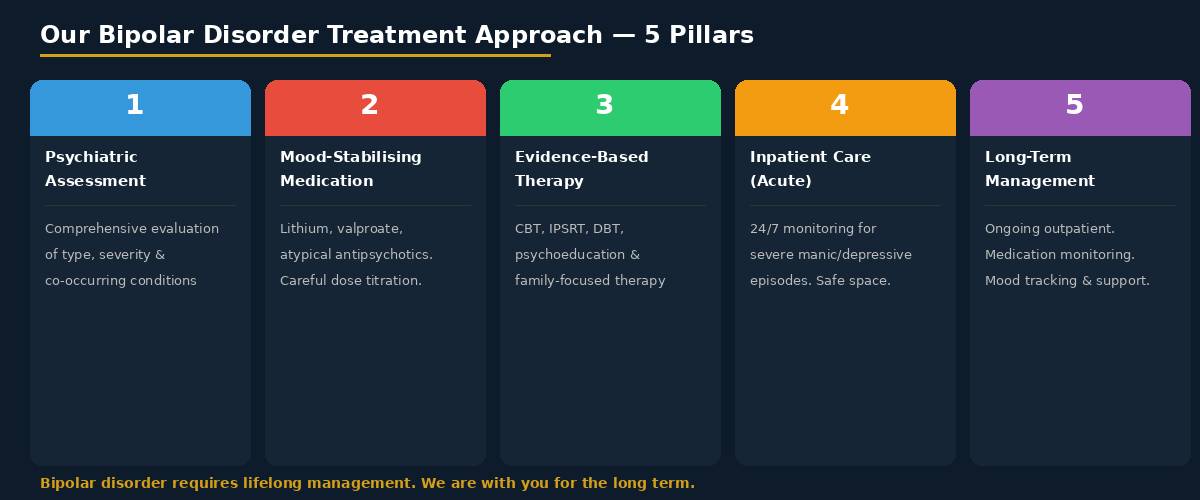
At Bharosa Hospitals, we recognise that medication alone is insufficient for long-term bipolar disorder management. Our integrated treatment model includes multiple evidence-based therapeutic modalities.
- Cognitive Behavioural Therapy (CBT): Structured sessions help patients identify and challenge maladaptive thinking patterns, develop healthy coping strategies, and improve medication adherence.
- Interpersonal and Social Rhythm Therapy (IPSRT): Specifically designed for bipolar disorder, IPSRT focuses on stabilising daily routines and resolving interpersonal problems that can trigger mood episodes.
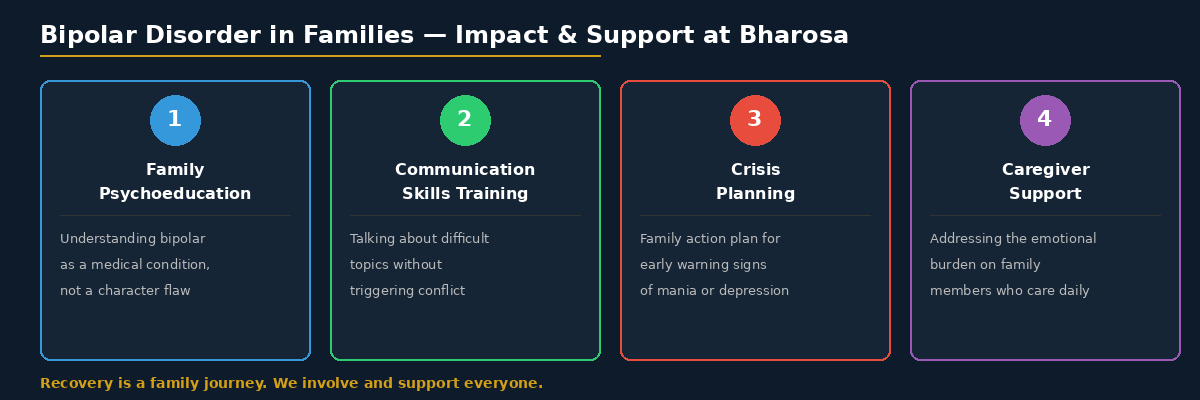
- Family-Focused Therapy: Educates family members about the illness, improves household communication, and establishes problem-solving frameworks that reduce relapse risk by up to 30 percent.
- Psychoeducation Groups: Regular group sessions teach patients about their condition, medication management, stress reduction, and lifestyle modifications that support mood stability.
- Mindfulness-Based Cognitive Therapy (MBCT): Combines mindfulness meditation with cognitive therapy techniques to help patients develop awareness of early warning signs and prevent depressive relapse.
- Art and Expressive Therapy: Creative modalities provide emotional outlets and improve self-awareness during the recovery process.
Living with Bipolar Disorder: Long-Term Management
Bipolar disorder is a lifelong condition, but with proper treatment it is entirely manageable. At Bharosa Hospitals, we prepare every patient for long-term success through comprehensive discharge planning and structured aftercare.
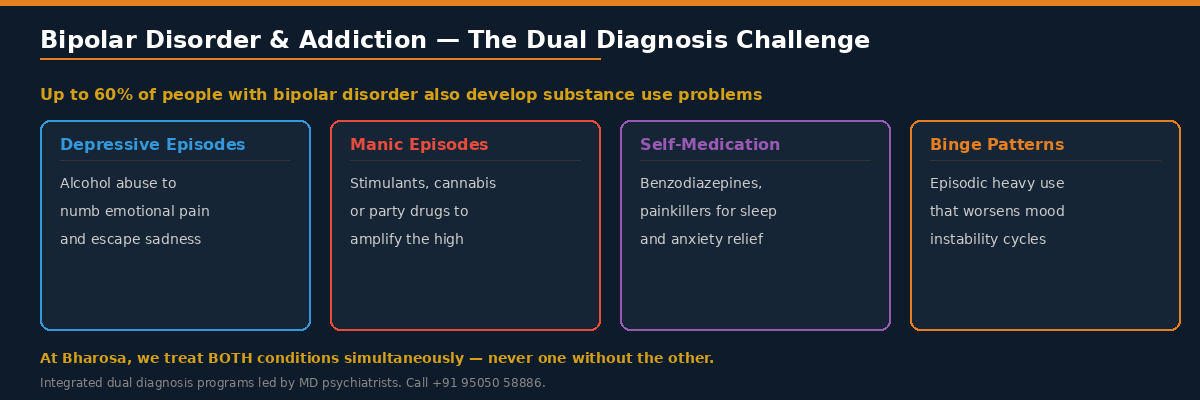
Patients are educated about the importance of medication adherence, recognising early warning signs of relapse, maintaining regular sleep patterns, avoiding alcohol and recreational substances, and building strong social support systems. Our aftercare programme includes scheduled follow-up consultations, access to our 24/7 helpline, and the option to return for short-term residential stays during periods of increased vulnerability.
We have seen thousands of patients return to productive careers, loving relationships, and fulfilling lives after completing treatment at Bharosa Hospitals. Bipolar disorder does not have to define a person’s future — with the right treatment, recovery is not just possible but expected.
Frequently Asked Questions About Bipolar Disorder Treatment
Is bipolar disorder curable?
Bipolar disorder is a chronic condition that currently has no permanent cure. However, with consistent medication management, therapy, and lifestyle modifications, the vast majority of patients achieve long-term stability and lead fully productive lives. At Bharosa Hospitals, our 100-Day Recovery Program is specifically designed to give patients the strongest possible foundation for lasting remission.
How long does bipolar disorder treatment take?
Acute stabilisation typically requires two to four weeks of inpatient care. Our comprehensive 100-Day Recovery Program provides the full continuum of treatment from crisis management through rehabilitation to relapse prevention. Long-term maintenance treatment, including medication and periodic follow-up, continues after discharge.
What causes bipolar disorder?
Bipolar disorder results from a complex interaction of genetic, neurochemical, and environmental factors. Having a first-degree relative with bipolar disorder significantly increases risk. Stressful life events, sleep disruption, and substance use can trigger episodes in genetically predisposed individuals.
Can bipolar disorder be managed without medication?
For most patients, medication is essential for managing bipolar disorder safely and effectively. Mood stabilisers and other psychiatric medications address the underlying neurochemical imbalances that drive mood episodes. Therapy and lifestyle changes are important adjuncts but are not substitutes for pharmacotherapy in moderate to severe cases.
Does Bharosa Hospitals accept insurance for bipolar treatment?
Yes. Bharosa Neuro Psychiatry Hospital accepts major health insurance plans. Our patient services team assists families with documentation, pre-authorisation, and claims processing. Contact us at +91 95050 58886 for specific insurance enquiries.
How can I admit a family member for bipolar disorder treatment?
You can contact us directly at +91 95050 58886 or visit our hospital at Plot No. 114, Mythripuram, Karmanghat, LB Nagar, Hyderabad 500079. Our admissions team is available around the clock to guide you through the process and answer any questions.
Take the First Step Toward Stability
If bipolar disorder is disrupting your life or the life of someone you love, do not wait for the next crisis. Early, expert intervention dramatically improves outcomes. At Bharosa Neuro Psychiatry Hospital, our NABH-accredited facility, team of 10+ MD psychiatrists, and proven 100-Day Recovery Program are ready to help you reclaim control.
Call us now: +91 95050 58886
Visit: Plot No. 114, Mythripuram, Karmanghat, LB Nagar, Hyderabad 500079
Website: bharosahospitals.com
Bharosa means trust. And at Bharosa Hospitals, trust is not just our name — it is the promise we keep every single day.

Delaying treatment can extend suffering, but taking action now can bring relief and clarity.
Mental health struggles do not define you, and you don’t have to face them alone. If you notice any early signs of mental health disorders in yourself or a family member, take the first step today.