
Sleep Disorders and Mental Health: Insomnia, Stress, and Depression Explained
Sleep is not a luxury. It is a basic need. We spend about one-third of our lives sleeping. Yet, for millions, a good night's sleep is hard to come by.
"I'm just tired." "I’ll catch up on sleep on the weekend." "My mind just won't shut off."
These are phrases we hear all the time. In our busy, connected world, we have made sleep deprivation normal. We wear our tiredness like a badge of honor, thinking that getting less sleep makes us more productive. The truth is much more dangerous.
Sleep is the foundation of our mental and physical health. When that foundation is unstable, everything else is at risk.
There is a deep, often misunderstood connection between sleep and mental health. Is your insomnia causing your depression? Or is your anxiety keeping you awake? The answer is usually “both.”
At Bharosa Neuropsychiatry Hospital in LB Nagar, Hyderabad, we see sleep problems not just as a symptom but as an essential indicator of mental health. Led by Dr. Uday Kiran, we help patients untangle the complex issues surrounding sleeplessness and emotional struggles to achieve true rest,
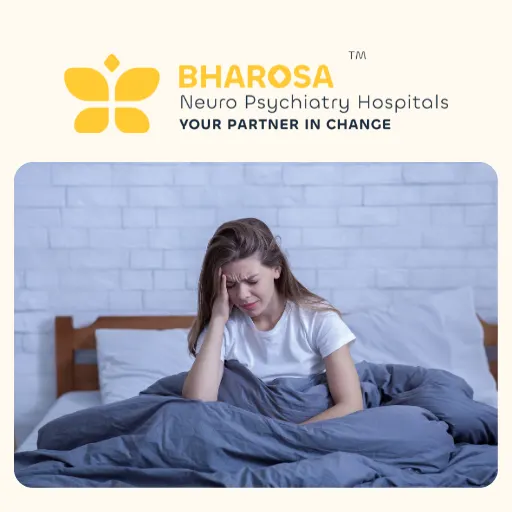
The "Chicken or the Egg": The Bidirectional Relationship
For many years, doctors viewed insomnia only as a symptom of mental illness. They believed, "Treat the depression, and sleep will get better."
Recent research has changed that view. We now understand that the relationship is two-way. Mental health issues can disrupt sleep, and poor sleep can make mental health problems worse.
The Downward Spiral: Chronic sleep deprivation raises cortisol levels, which is the stress hormone. This makes you more sensitive to stress, more irritable, and less emotionally stable. This instability can make it harder to sleep, creating a cycle that may lead to a mental health crisis.
Common Sleep Disorders You Should Know
Sleep disorders are more than just "tossing and turning." They are medical issues that prevent you from getting restful sleep, leading to problems during the day.
1. Insomnia
This is the most common sleep disorder in the world. It includes:
- Difficulty Falling Asleep (Sleep Onset Insomnia): Lying awake for hours, often linked to anxiety.
- Difficulty Staying Asleep (Sleep Maintenance Insomnia): Waking up often during the night.
- Early Morning Awakening: Waking up at 3 AM or 4 AM and not being able to fall back asleep. This is often a sign of depression.
2. Hypersomnia (Excessive Sleepiness)
While some people cannot sleep, others sleep too much. Sleeping 10–12 hours a day yet still feeling tired can indicate atypical depression or medical issues like thyroid problems.
3. Sleep Apnea
This physical condition causes breathing to stop repeatedly during sleep, waking the brain to gasp for air. Although it's a respiratory issue, fragmented sleep leads to mood swings, depression, and cognitive decline.
4. Circadian Rhythm Disorders
Common among students and shift workers, this occurs when your internal body clock is out of sync with the sun. You might feel wide awake at 2 AM and exhausted at 10 AM.
How Specific Mental Health Issues Affect Sleep
Different mental health conditions affect our sleep in unique ways. Recognizing these patterns can help identify the underlying issue.
Depression and Sleep
Depression and sleep issues are closely related. About 75% of people with depression also experience insomnia.
The Sign: The most telling symptom is "Early Morning Awakening." You wake up hours before your alarm, your mind racing with negative thoughts, and cannot drift back to sleep.
The Impact: REM sleep begins too early, leaving the body feeling unrested.
Anxiety and Sleep
Anxiety makes falling asleep difficult.
The Sign: "Racing Thoughts." As soon as your head hits the pillow, your mind replays the day’s mistakes or worries about tomorrow. Your body feels tense, your heart might race, making sleep seem impossible.
The Impact: This often causes Sleep Phobia—the fear of your bed because you associate it with tossing and turning.
Stress and "Burnout Sleep"
Chronic stress keeps the nervous system alert. Even if you do sleep, it is often light and broken. You wake up feeling as if you ran a marathon because your body never fully relaxed during the night.
The Hidden Consequences of Chronic Sleeplessness
Ignoring sleep issues can be harmful. The effects go beyond simply feeling tired.
- Emotional Regulation: The amygdala, the brain’s emotional center, becomes 60% more reactive when you are sleep-deprived. This is why you may snap at someone or cry over a spilled drink after a bad night.
- Cognitive Decline: Sleep is when the brain cleans itself, getting rid of toxins. Chronic sleep deprivation harms memory, focus, and decision-making. It also raises the long-term risk of Alzheimer's disease.
- Physical Health: Lack of sleep increases the risk of heart disease, obesity (due to hormone imbalances), and weakens the immune system.
- Suicide Risk: Studies show that severe insomnia is a strong predictor of suicidal thoughts.
Universal Sleep Hygiene: How to Fix Your Rest
Before seeking medical help, examine your habits. "Sleep Hygiene" means the practices that prepare your brain for rest. These guidelines apply to everyone.
1. The Light Rule
Your brain makes melatonin, the sleep hormone, in darkness. Blue light from screens stops this production.
Tip: Avoid screens for 60 minutes before bed. Use warm, dim lighting in the bedroom.
2. The Temperature Rule
Your body needs to cool down to sleep. A room that is too warm will disrupt your sleep.
Tip: Keep the bedroom cool and well-ventilated. Taking a warm bath before bed can help because your body temperature drops quickly afterward, signaling sleepiness.
3. The Caffeine Cut-off
Caffeine stays in your system for 5–6 hours. If you drink coffee at 6 PM, half of it is still active at midnight.
Tip: Avoid caffeine after 2 PM.
4. The Bed Association
Your brain should connect the bed with only two things: sleep and intimacy.
Tip: Do not work, eat, or watch TV in bed. If you cannot sleep after 20 minutes, get up, go to another room, and read something dull until you feel sleepy. Staying in bed awake trains your brain to expect wakefulness there.
5. The Worry Time
If anxiety keeps you awake, schedule "Worry Time" earlier in the day.
Tip: Write down your worries at 7 PM. Tell your brain, "We’ve handled this. We’ll check on it tomorrow."
How Bharosa Neuropsychiatry Hospital Treats Sleep Disorders
At Bharosa Neuropsychiatry Hospital in Hyderabad, we go beyond just prescribing sleeping pills. Our focus is on treating the root cause, not just quieting the symptoms.
1. Comprehensive Diagnosis
We start with a thorough evaluation. Is it thyroid-related? Is it clinical depression? Is it sleep apnea? We distinguish between primary insomnia and insomnia caused by other conditions.
2. CBT-I (Cognitive Behavioral Therapy for Insomnia)
This is the top treatment recommended worldwide and is often more effective than medication in the long run.
What it is: A structured form of therapy that helps you understand and change thoughts and behaviors that worsen sleep issues. It includes sleep restriction therapy and stimulus control to train your brain to sleep.
3. Judicious Medication Management
While we prioritize therapy, medication may be necessary to disrupt the cycle of sleeplessness, especially in severe cases.
Safety First: Dr. Uday Kiran prescribes safe, non-addictive medications for short periods to stabilize your sleep while therapy takes effect. We monitor closely to avoid dependency.
4. Lifestyle and Stress Management
We use relaxation techniques, mindfulness, and breathing exercises to lower overall stress levels.
FAQ's
This is a valid concern with older drugs. However, modern psychiatry uses new medications that are not habit-forming when taken under supervision. At Bharosa, our goal is always to reduce medication once natural sleep returns.
No. Alcohol acts as a sedative, helping you fall asleep faster, but it disrupts REM sleep, the restorative stage. You will wake up frequently and feel unrefreshed. Over time, alcohol makes insomnia worse.
Yes. Chronic sleeplessness is a significant risk factor in developing depression and anxiety disorders. Addressing sleep problems early can help prevent these issues.
This may indicate "Non-Restorative Sleep." It could stem from poor sleep quality, sleep apnea, or periodic limb movements. A psychiatric and medical evaluation is necessary to pinpoint the cause.

Take back your nights to reclaim your days.
You do not have to accept exhaustion as your daily reality. You do not need to fear the night. Whether it’s the stress of a job in IT sector or underlying anxiety, support is available.
"Sleep is the golden chain that ties health and our bodies together."