

Tobacco & Nicotine De-Addiction
Stop Smoking & Gutka - Bharosa Hospitals
Medical Tobacco & Nicotine Cessation Program
Tobacco use is the leading cause of preventable death worldwide, yet quitting remains one of the hardest challenges a person can face. Whether you smoke cigarettes, vape, or chew tobacco (Gutka/Khaini), nicotine alters the brain's chemistry, making the urge to use it as powerful as the drive to eat or sleep.
At Bharosa Neuropsychiatry Hospitals, we know that telling a smoker to "just stop" rarely works. We provide a scientific, medically supported path to freedom. Our cessation program is designed to manage the physical cravings and break the psychological habit loops, giving you the best chance at a smoke-free life.
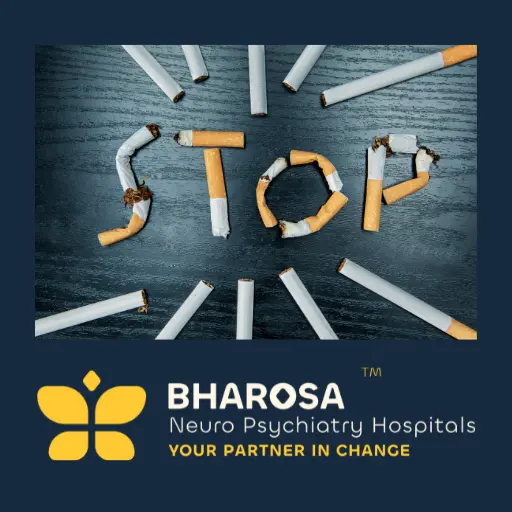
Understanding the Grip of Nicotine
Nicotine is a stimulant that reaches the brain within seconds, releasing dopamine (the "feel-good" chemical). Over time, the brain stops producing dopamine naturally and relies on nicotine just to feel "normal." When you try to quit, you experience withdrawal: irritability, anxiety, headaches, and intense cravings.
We treat all forms of nicotine dependency:
Why Willpower Often Fails (And How We Succeed)
Studies show that less than 5% of people succeed in quitting "cold turkey." Addiction is a medical condition, not a failure of character. Our Tobacco Cessation Clinic uses a multi-pronged approach:
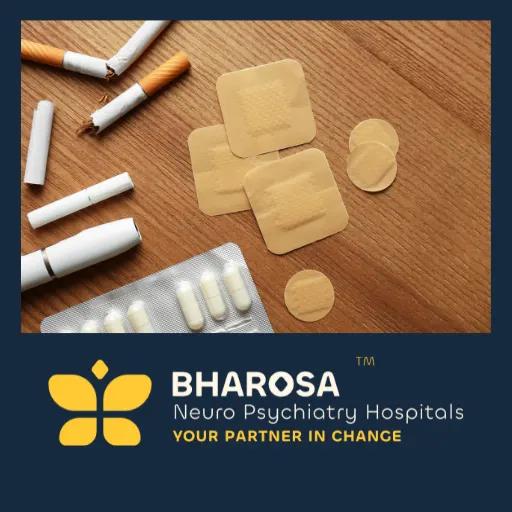
1. Nicotine Replacement Therapy (NRT)
- We use medically calculated doses of NRT (Patches, Gums, Lozenges) to wean your body off nicotine gradually. This prevents the shock of sudden withdrawal, allowing you to focus on breaking the habit without physical agony.
2. Pharmacotherapy (Medication)
- For heavy users, our psychiatrists may prescribe FDA-approved non-nicotine medications (such as Bupropion or Varenicline) that block nicotine receptors in the brain, reducing the pleasure derived from smoking and decreasing cravings.
3. Behavioral Counseling (CBT)
- Smoking is often tied to rituals: the morning tea, the break at work, or stress relief. Our therapists use Cognitive Behavioral Therapy (CBT) to help you:
- Identify and manage your specific "triggers."
- Learn stress-management techniques (breathing exercises) to replace the cigarette.
- Prevent "lapse" from turning into "relapse."
The Immediate Benefits of Quitting
The body has an incredible ability to heal. The moment you stop, recovery begins.
- 20 Minutes: Heart rate and blood pressure drop to normal levels.
- 12 Hours: Carbon monoxide levels in the blood drop to normal.
- 2 Weeks – 3 Months: Circulation improves, and lung function increases.
- 1 Year: The risk of coronary heart disease is half that of a smoker.
- 5 Years: Risk of mouth, throat, and bladder cancers is cut in half.
It is never too late to repair the damage.

Specialized Care for Smokeless Tobacco (Gutka/Khaini)
The body has an incredible ability to heal. The moment you stop, recovery begins.
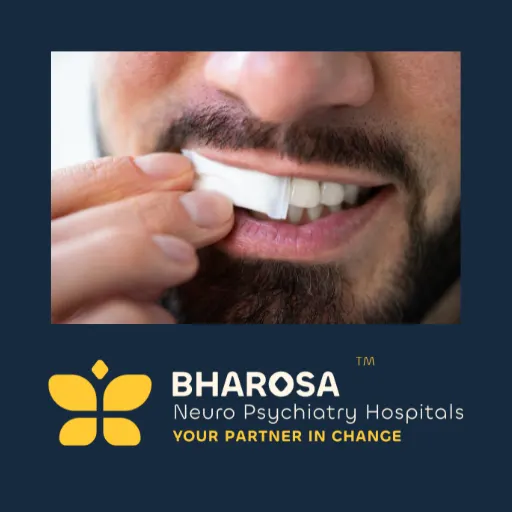
In India, smokeless tobacco is a major cause of Oral Cancer. The addiction to Gutka or Khaini is often stronger than cigarettes due to high nicotine absorption through the gums.
We offer specialized oral health screenings alongside addiction treatment to detect early signs of pre-cancerous lesions (like Leukoplakia) and provide urgent referrals if needed.
World-Class Facilities for Recovery
Recovery requires a dignified environment. Bharosa Neuropsychiatry Hospitals offers:
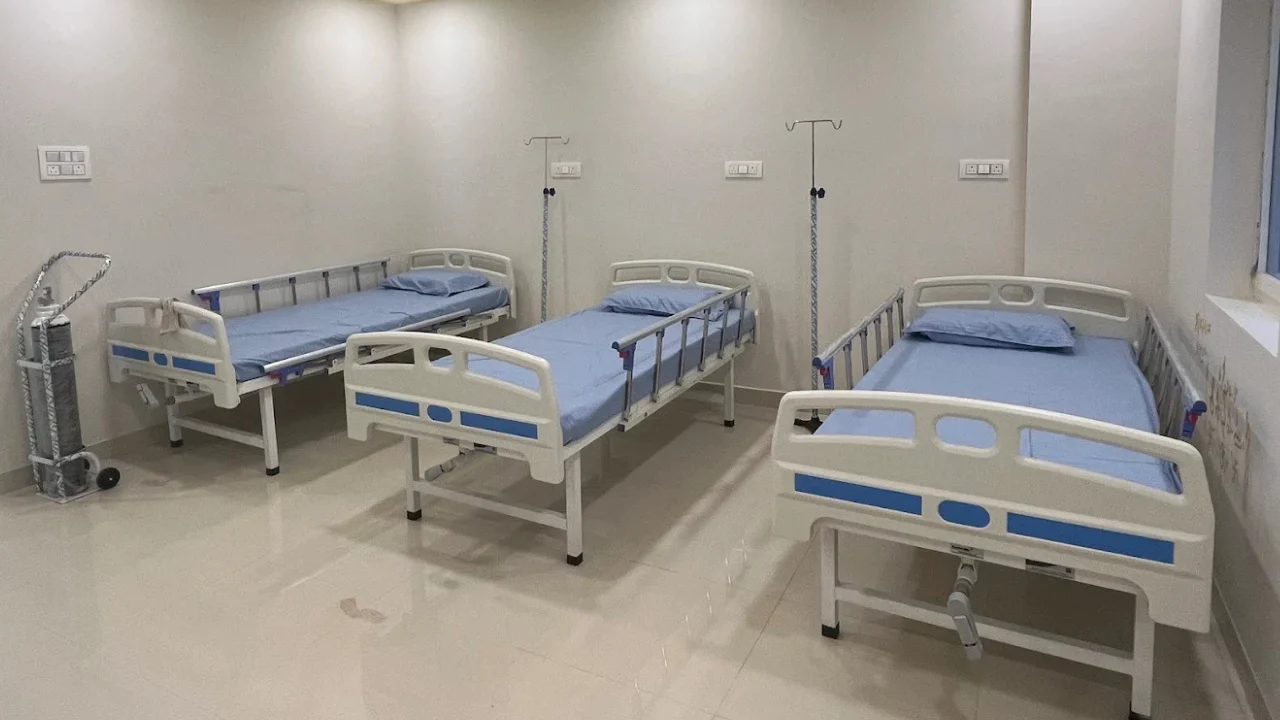
Secure & Safe Wards: Preventing access to substances.

Private & Shared Rooms: Clean, hygienic, and comfortable living spaces.
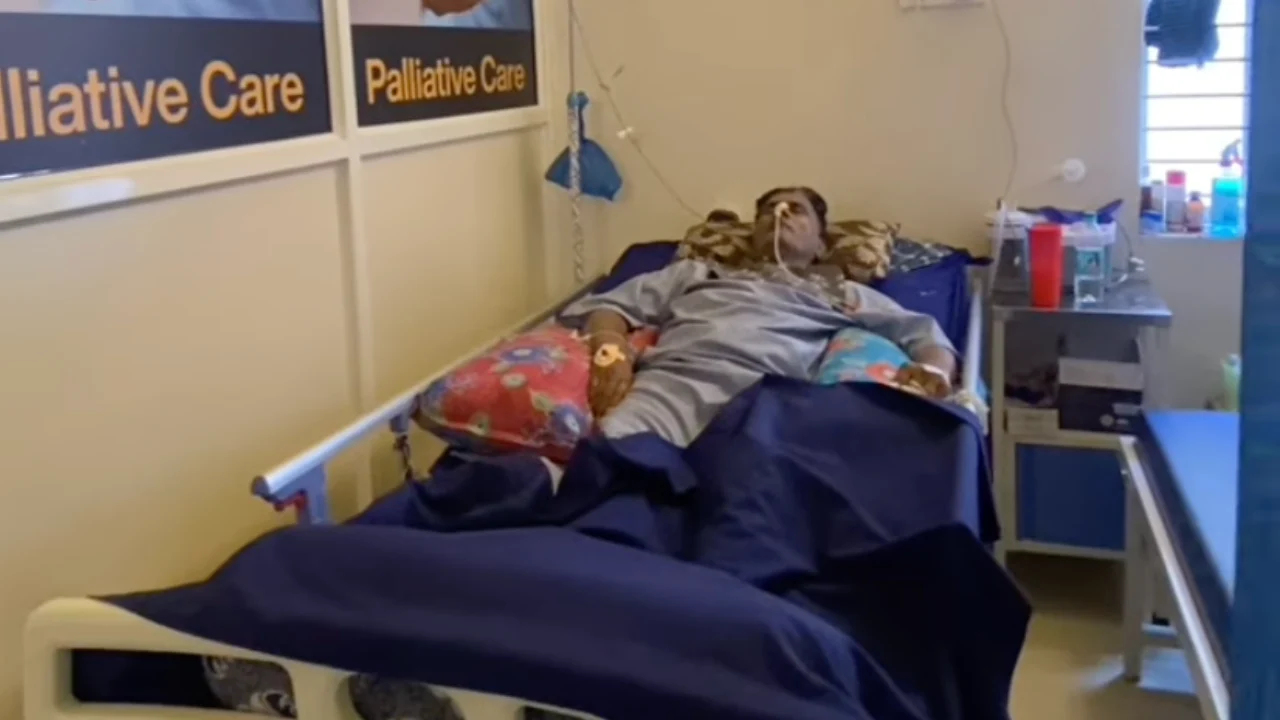
Recreational Zones: Indoor games and green spaces to rediscover joy without intoxication.
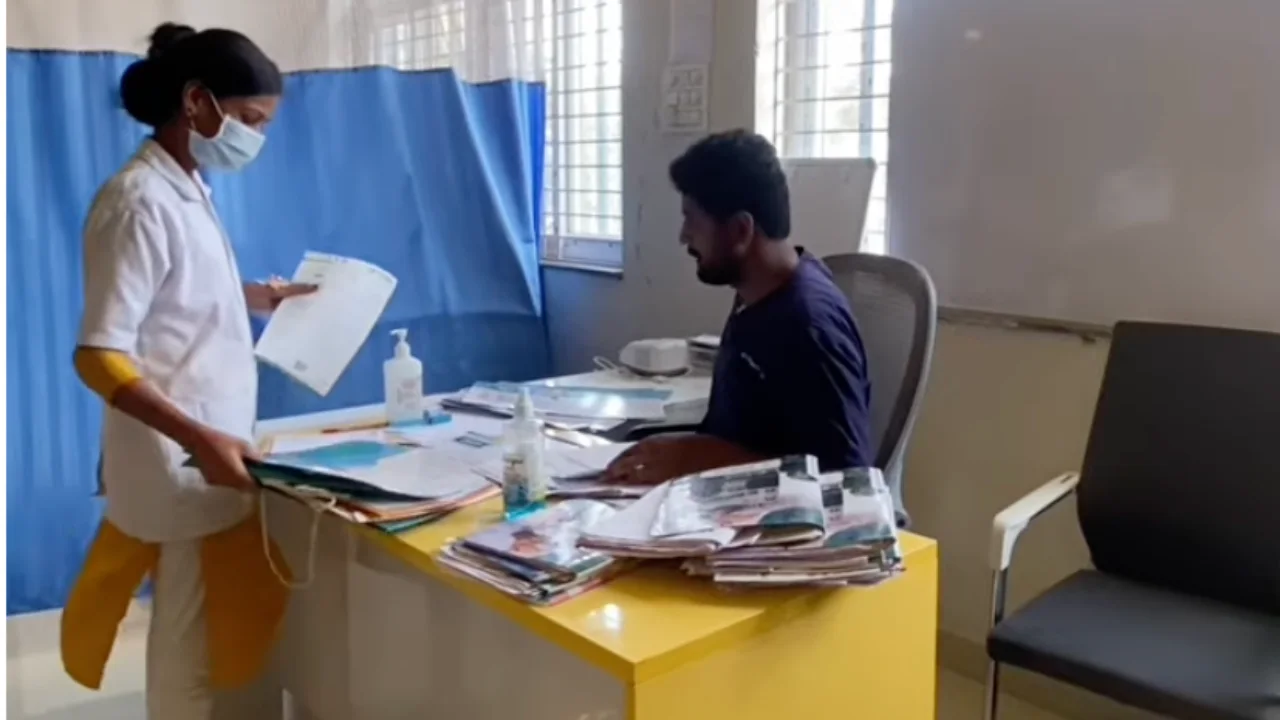
24/7 Emergency Medical Unit: On-site doctors for any physical health complications.
Frequently Asked Questions
No. While vapes may have fewer tars, they often contain higher concentrations of nicotine and other harmful chemicals that damage the lungs ("popcorn lung"). We treat vaping addiction with the same seriousness as cigarette addiction.
Nicotine acts as an appetite suppressant, so some weight gain is common. However, our program includes Nutritional Counseling to help you manage your metabolism and diet during the quitting process.
Most tobacco cessation is done on an Out-Patient (OP) basis. However, if you have severe co-occurring heart/lung conditions or are also struggling with alcohol/drug addiction, we recommend our In-Patient (IP) facility or the 100-Days Program for comprehensive care.

Your Lungs Deserve Better. Your Family Needs You.
Every cigarette you don't smoke is a victory. Let us help you win the war against tobacco. Safe, effective, and medically supervised help is just a phone call away.