

Somatoform & Conversion Disorder Treatment Bharosa Neuropsychiatry Hospitals
Somatoform & Conversion Disorders

Have you visited countless doctors, undergone MRI scans and blood tests, only to be told, "There is nothing wrong with you"? Yet, you still feel the pain, the weakness, or the seizures.
This is the frustrating reality of Somatoform and Conversion Disorders. These are conditions where intense emotional distress (stress, trauma, or anxiety) manifests as physical symptoms.
At Bharosa Neuropsychiatry Hospitals, we want you to know one thing clearly: You are not faking it. The pain you feel is real. The paralysis is real. But the root cause lies in the complex connection between your brain and body, not in tissue damage. We are here to help you decode these signals and find relief.
It is Not "All in Your Head"
Many patients feel dismissed when they hear the term "psychological." However, the brain controls the body. When the brain is overloaded with suppressed emotion, it can send "error signals" to the nervous system.
We treat the full spectrum of Mind-Body Disorders
1. Conversion Disorder (Functional Neurological Disorder)
- What it is: The brain disconnects from specific body parts to cope with stress.
- Symptoms: Sudden blindness, inability to walk (paralysis), loss of voice, or Non-Epileptic Seizures (PNES) that look like epilepsy but show normal EEG results.
2. Somatic Symptom Disorder
- What it is: Chronic, unexplained pain or fatigue that causes extreme distress.
- Symptoms: Severe back pain, stomach issues (IBS), or chest pain where no physical cause is found.
3. Illness Anxiety Disorder (Hypochondriasis)
- What it is: An obsessive fear that you have a serious, undiagnosed disease (like cancer or a tumor), despite medical reassurance.
- Symptoms: Compulsive checking of the body, frequent doctor visits ("Doctor Shopping"), and panic over minor sensations.
Why Does This Happen?
Think of your brain like a pressure cooker. If you experience trauma, grief, or high stress and do not "release the steam" emotionally, the pressure builds up. Eventually, the body blows a fuse.
- Conversion: The body "shuts down" a function (like walking) to force you to stop and rest.
- Somatization: The emotional pain is too hard to bear, so the brain converts it into physical pain, which feels easier to understand.

Our Treatment Protocol
Retraining the Brain

1. Psycho-Education
The first step is helping you accept the diagnosis. We explain how stress causes symptoms so you stop fearing a "mystery disease."
2. Cognitive Behavioral Therapy (CBT)
We identify the emotional triggers. Are you paralyzed by fear? Is the stomach pain linked to a difficult marriage? CBT helps you process these emotions verbally rather than physically.
3. Physiotherapy with a Psychological Focus
For patients with paralysis or movement issues, our physiotherapists work alongside psychologists. We retrain the muscles while reinforcing the belief that "my legs are healthy and strong."
4. Treating Co-Occurring Anxiety
Often, treating the underlying depression or anxiety with medication reduces the physical symptoms significantly.
World-Class Facilities for Recovery
Recovery requires a dignified environment. Bharosa Neuropsychiatry Hospitals offers:
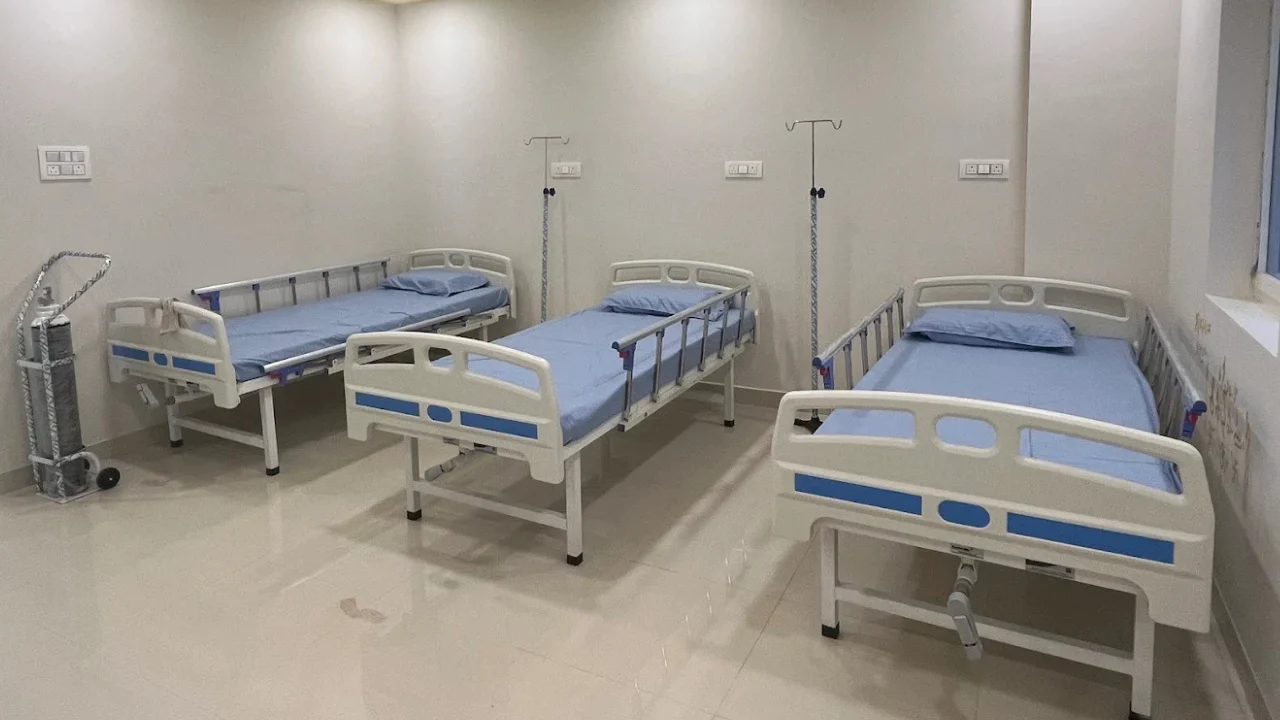
Secure & Safe Wards: Preventing access to substances.

Private & Shared Rooms: Clean, hygienic, and comfortable living spaces.
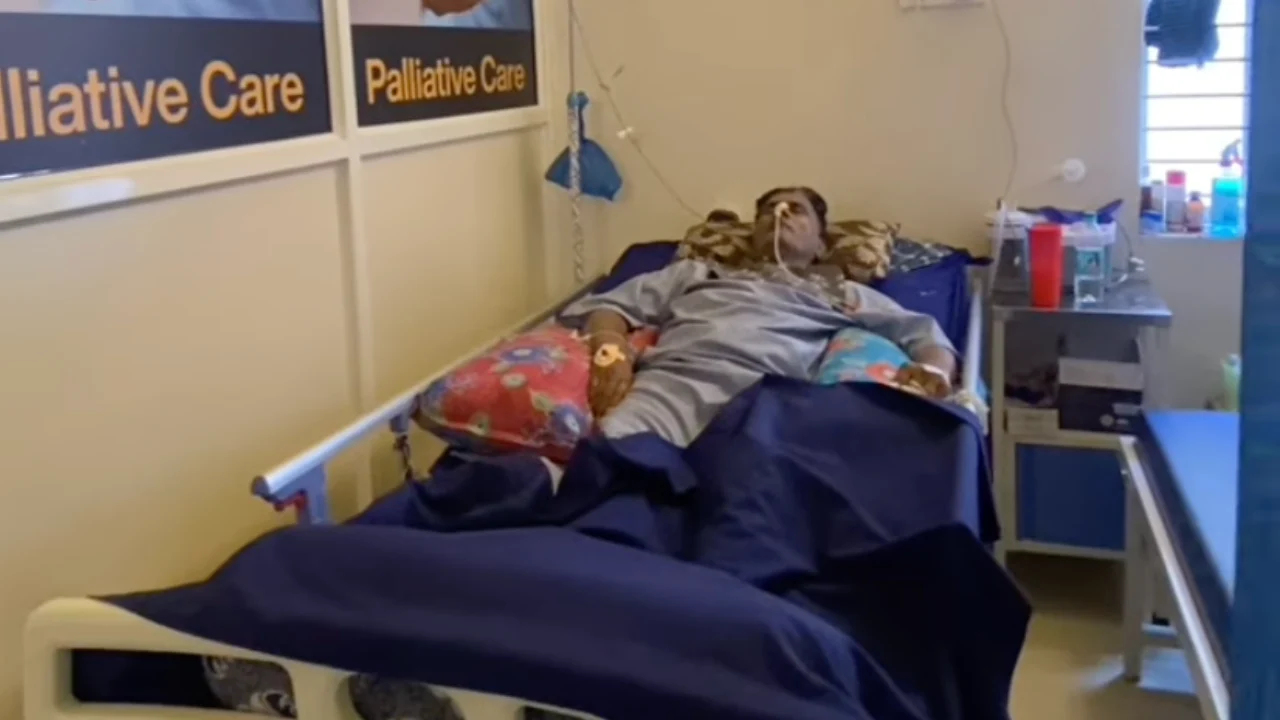
Recreational Zones: Indoor games and green spaces to rediscover joy without intoxication.
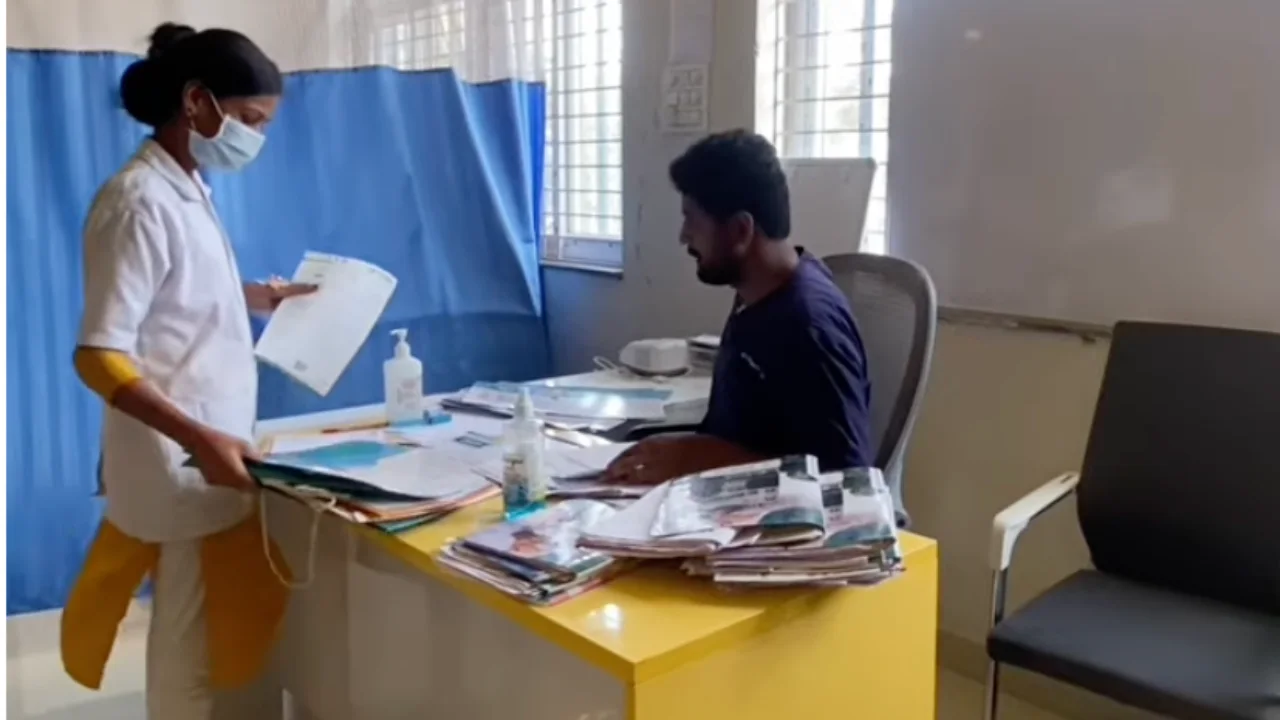
24/7 Emergency Medical Unit: On-site doctors for any physical health complications.
Frequently Asked Questions
They are real episodes—the patient is not pretending. However, they are not caused by abnormal electrical activity in the brain (like epilepsy). They are a physical reaction to extreme psychological distress. Anti-epileptic drugs do not stop them; therapy does.
No. The goal is to wake up your body, not put it to sleep. We use antidepressants only if necessary to lower anxiety levels, but the primary treatment is therapy.
Yes. In Conversion Disorder, the nerves and muscles are perfectly healthy. With the right combination of physical and talk therapy, most patients regain full function.

Stop Chasing a Diagnosis. Start Healing.