
Prescription Misuse & Medicine De-Addiction | Bharosa Neuropsychiatry Hospitals
Healing the Hidden Addiction: Prescription Medicine De-Addiction
It often starts innocently: a prescription for back pain, a pill to help you sleep during a stressful week, or medication for anxiety. But over time, the body builds tolerance. One pill becomes two, the prescription runs out too fast, and you find yourself visiting multiple doctors just to feel "normal."
At Bharosa Neuropsychiatry Hospitals, we understand that prescription misuse is often an accidental addiction. You didn't start taking these medicines to get high; you started taking them to feel better. Our goal is to help you manage your underlying pain or anxiety without being chained to a bottle of pills.
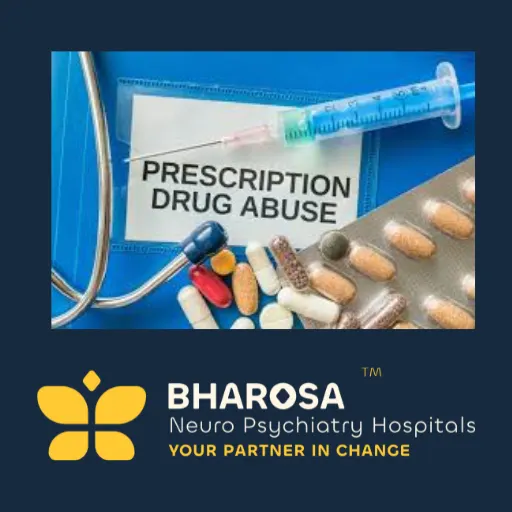
Common Medicines of Abuse
We treat dependency on a wide range of pharmaceutical drugs. In India, the most commonly abused prescription categories include:
- Sedatives & Hypnotics (Sleeping Pills):
- Common Names: Zolpidem (Nitrest), Zopiclone.
- The Trap: Usage beyond 2 weeks can lead to "Rebound Insomnia"—where you cannot sleep at all without the drug.
- Benzodiazepines (Anti-Anxiety):
- Common Names: Alprazolam (Alprax), Clonazepam, Diazepam (Valium), Lorazepam.
- The Trap: These are highly addictive. Long-term use causes memory fog, balance issues, and emotional numbness.
- Painkillers (Opioids):
- Common Names: Tramadol, Tapentadol, Codeine Syrups.
- The Trap: Initially used for pain, they quickly create a physical dependency similar to heroin.
- Stimulants:
- Common Names: Modafinil, Methylphenidate (Ritalin).
- The Trap: Often abused by students or professionals for focus, leading to severe anxiety and heart issues.
The Danger of Stopping "Cold Turkey" .
Do NOT stop taking high doses of Benzodiazepines or Alcohol-based medicines abruptly on your own.
Sudden withdrawal from sedatives (like Alprazolam or Zolpidem) can cause life-threatening complications, including:
- Grand Mal Seizures (Fits)
- Severe Hallucinations
- Extreme Panic Attacks & Palpitations
At Bharosa, we use a Medical Tapering Protocol. Our psychiatrists calculate a precise reduction schedule, often switching you to longer-acting specialized medications to lower the dose gradually and safely, preventing seizures and minimizing discomfort.
World-Class Facilities for Recovery
Recovery requires a dignified environment. Bharosa Neuropsychiatry Hospitals offers:
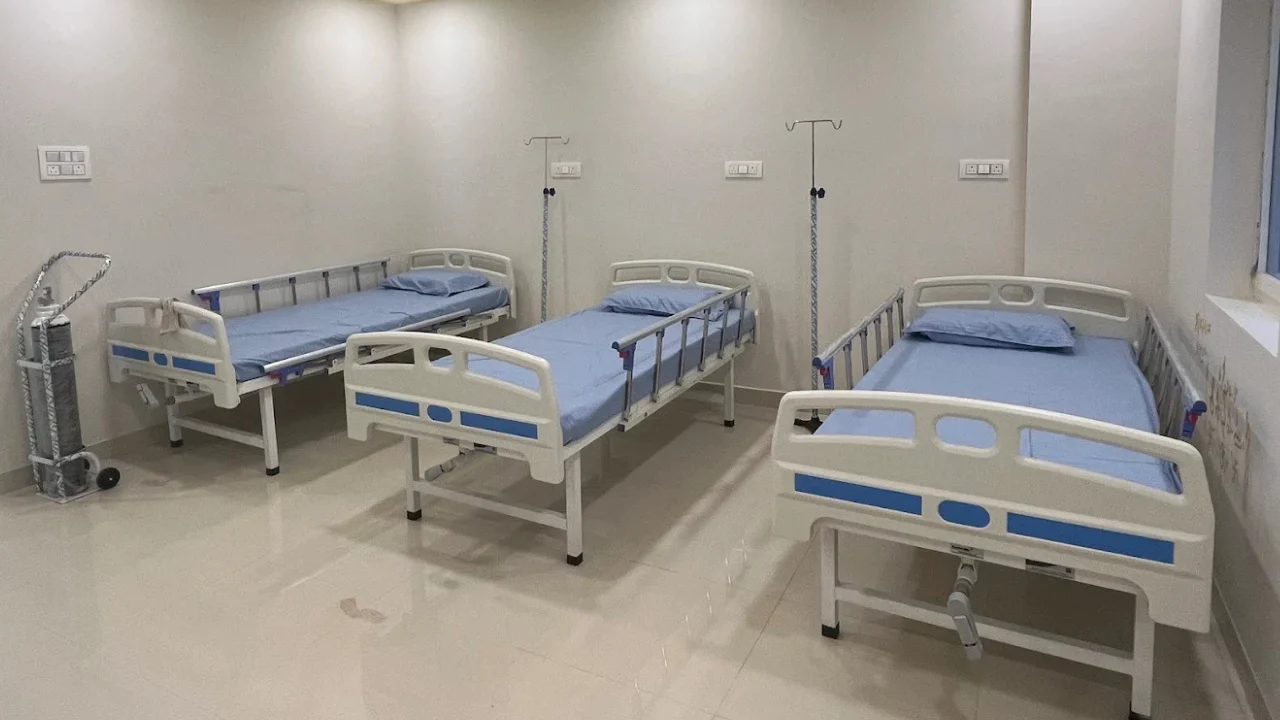
Secure & Safe Wards: Preventing access to substances.
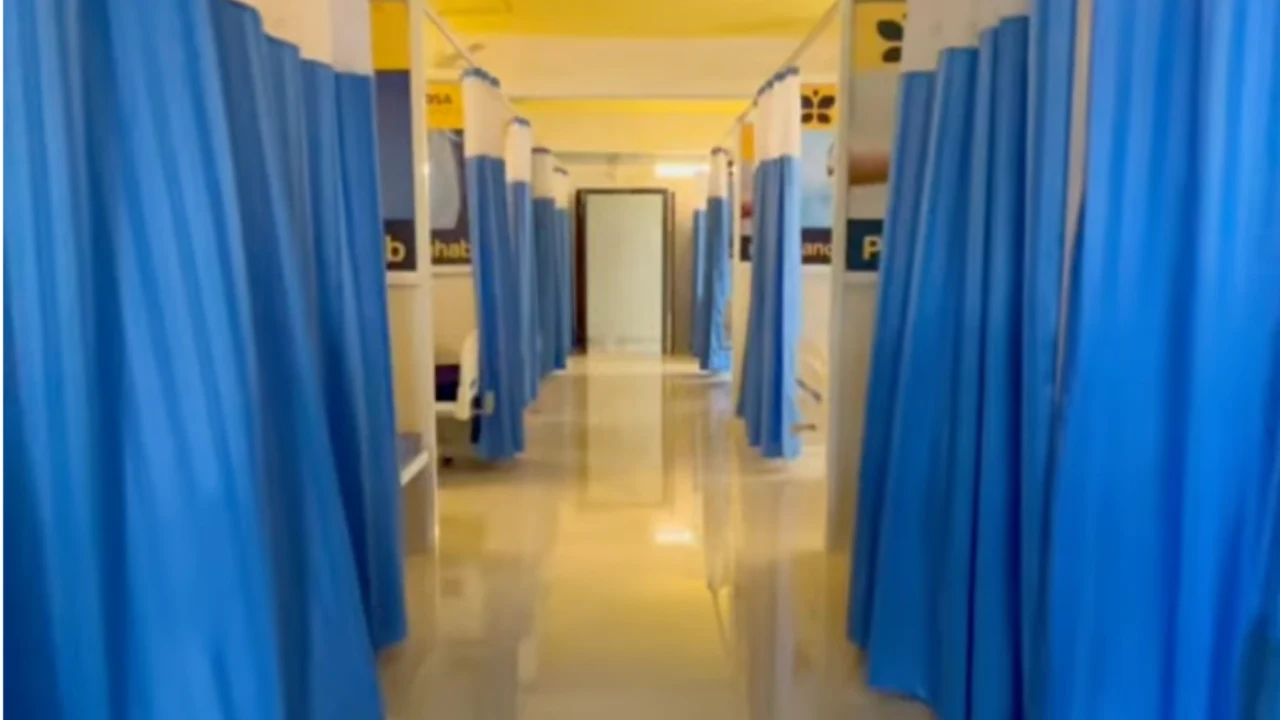
Private & Shared Rooms: Clean, hygienic, and comfortable living spaces.
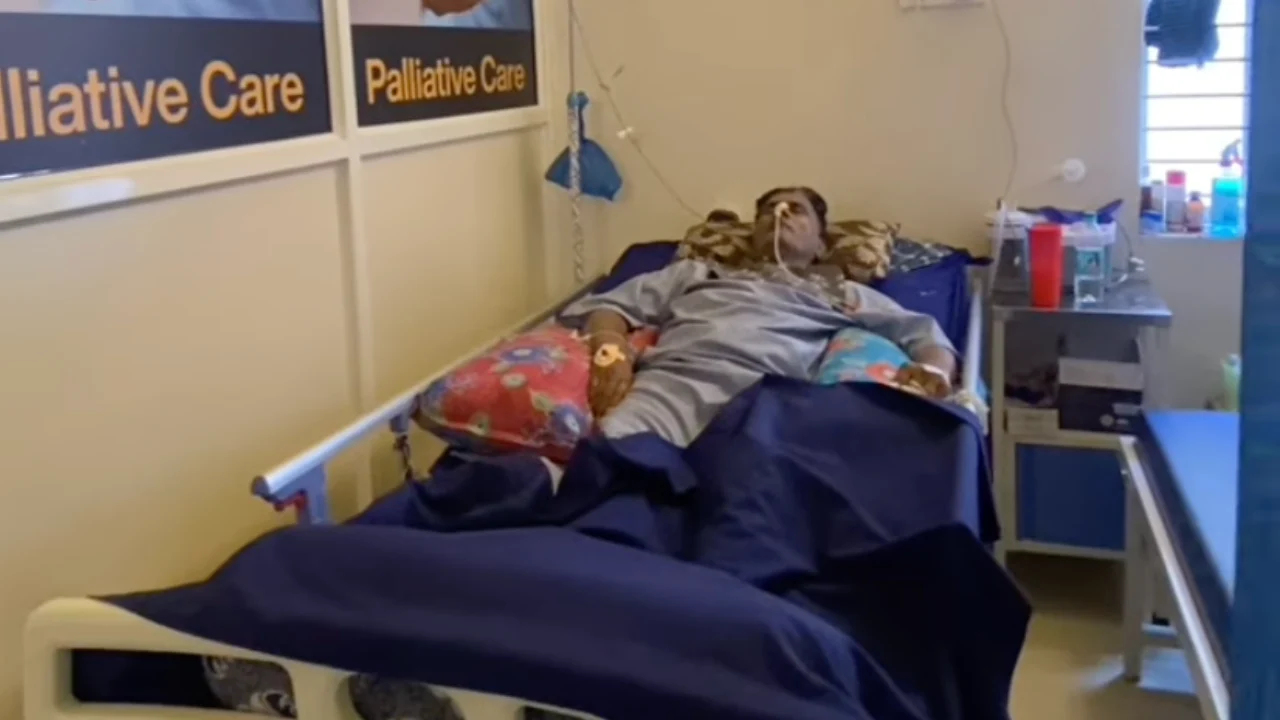
Recreational Zones: Indoor games and green spaces to rediscover joy without intoxication.
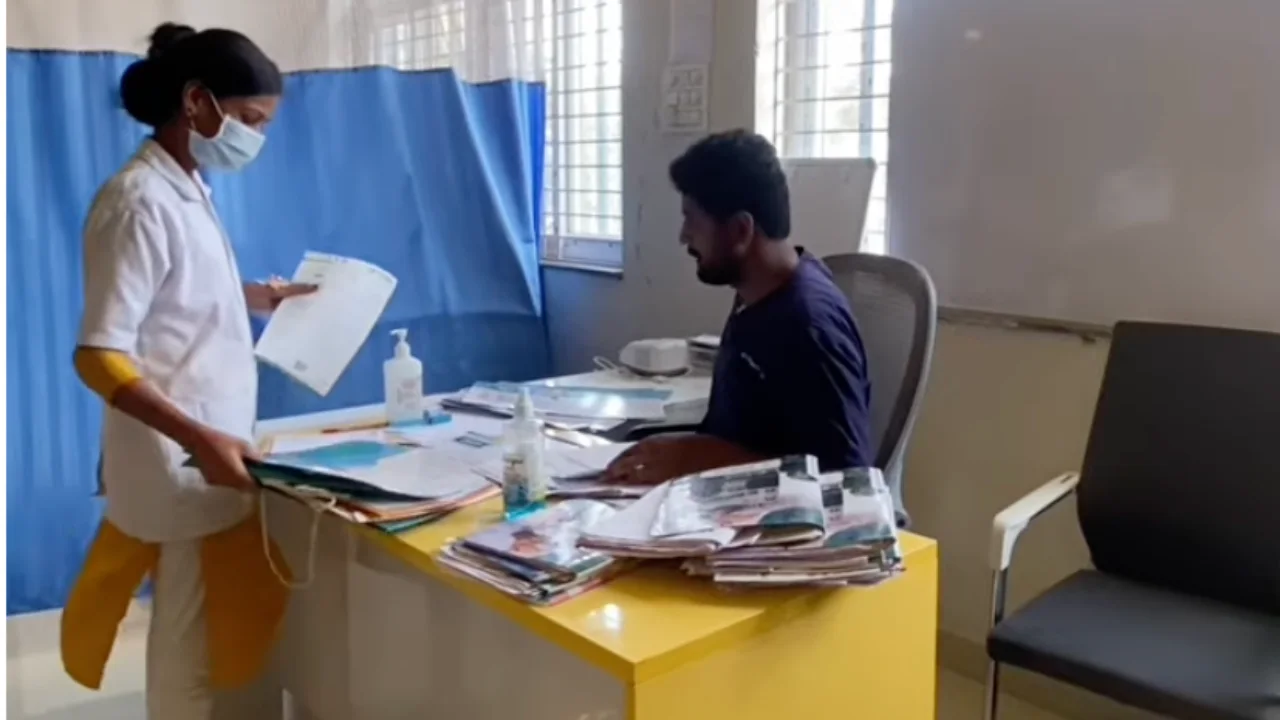
24/7 Emergency Medical Unit: On-site doctors for any physical health complications.
Frequently Asked Questions
(Alcohol Rehab)
Yes. It takes time, but the brain is neuroplastic. Through our sleep hygiene protocols and CBT, we retrain your brain's circadian rhythm to function without sedatives.
No. These medications are chemically designed to cause dependency. Developing tolerance is a biological response, not a moral failure.
Absolutely. We uphold the strictest standards of patient confidentiality. We have treated doctors, lawyers, and corporate leaders who successfully returned to their careers drug-free.

Stop the Cycle of Pills.
You don't have to choose between living in pain/anxiety and living in addiction. There is a better way. Let our experts guide you back to a natural, medicine-free life.