

Personality Disorder Treatment | BPD & NPD Therapy
Bharosa Neuro Psychiatry Hospitals
Specialized Treatment for Personality Disorders
We all have unique personalities. But when your way of thinking, feeling, and behaving becomes so rigid that it destroys your relationships and ability to function, it may be a Personality Disorder.
Unlike a mood swing that lasts a few days, a personality disorder is a long-standing pattern often rooted in adolescence. It distorts how you see yourself and how you interpret the actions of others.
At Bharosa Neuropsychiatry Hospitals, we look past the label of "difficult" or "drama." We see the deep emotional pain underneath. We are one of the few centers offering specialized Dialectical Behavior Therapy (DBT) and Schema Therapy to help you build a stable identity and healthy relationships.
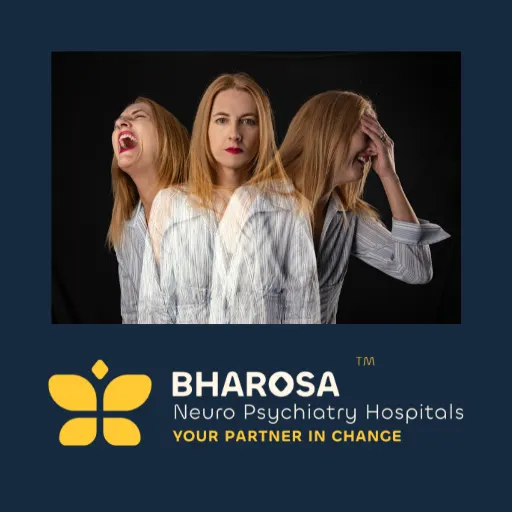
Understanding the 3 Clusters
Psychiatry groups these disorders into three "Clusters" based on symptoms. Identifying the correct type is vital for effective treatment.
Cluster A (The Odd/Eccentric)
- Paranoid Personality Disorder: Extreme suspicion and mistrust of others without reason.
- Schizoid/Schizotypal: A lack of interest in social relationships and odd beliefs or behaviors.
Cluster B (The Dramatic/Emotional)
- Borderline Personality Disorder (BPD): Intense fear of abandonment, self-harm, severe mood swings, and unstable relationships ("I hate you, don't leave me").
- Narcissistic Personality Disorder (NPD): A grandiose sense of self-importance, need for admiration, and lack of empathy for others.
- Antisocial Personality Disorder: Disregard for rules, lack of remorse, and manipulative behavior.
Cluster C (The Anxious/Fearful)
- Avoidant Personality Disorder: Extreme shyness and feeling inadequate, leading to total social isolation.
Obsessive-Compulsive Personality Disorder (OCPD): An obsession with perfectionism and control (distinct from OCD).
Borderline Personality Disorder (BPD)
BPD is one of the most painful conditions to live with. Patients often describe it as having "third-degree burns" over their emotions—everything hurts more.
- Signs: Rapid mood shifts (from joy to rage in hours), impulsive behavior (reckless driving, spending), and chronic feelings of emptiness.
- The Hope: BPD has one of the highest recovery rates with proper therapy (DBT).

Our Treatment Protocol
Rewiring the Pattern
Medication alone cannot "fix" a personality. Treatment requires deep therapeutic work to change ingrained patterns.
1. Dialectical Behavior Therapy (DBT)
This is the Gold Standard for BPD. We teach you four core skills:
- Mindfulness: Staying present.
- Distress Tolerance: Surviving a crisis without self-harm.
- Emotion Regulation: Managing intense feelings.
- Interpersonal Effectiveness: Asking for what you need without aggression.
2. Schema Therapy
We dig deeper into childhood "Schemas" (core beliefs like "I am unlovable") and work to heal the wounded inner child that drives the adult behavior.
3. Family & Couples Therapy
Personality disorders often wreck marriages. We work with the family to set healthy boundaries and improve communication, stopping the cycle of conflict.
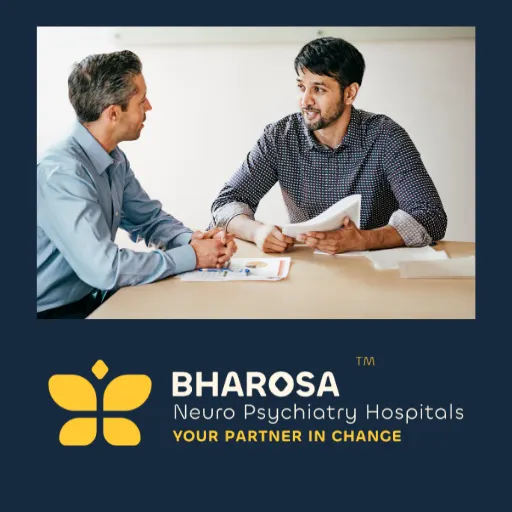
World-Class Facilities for Recovery
Recovery requires a dignified environment. Bharosa Neuropsychiatry Hospitals offers:
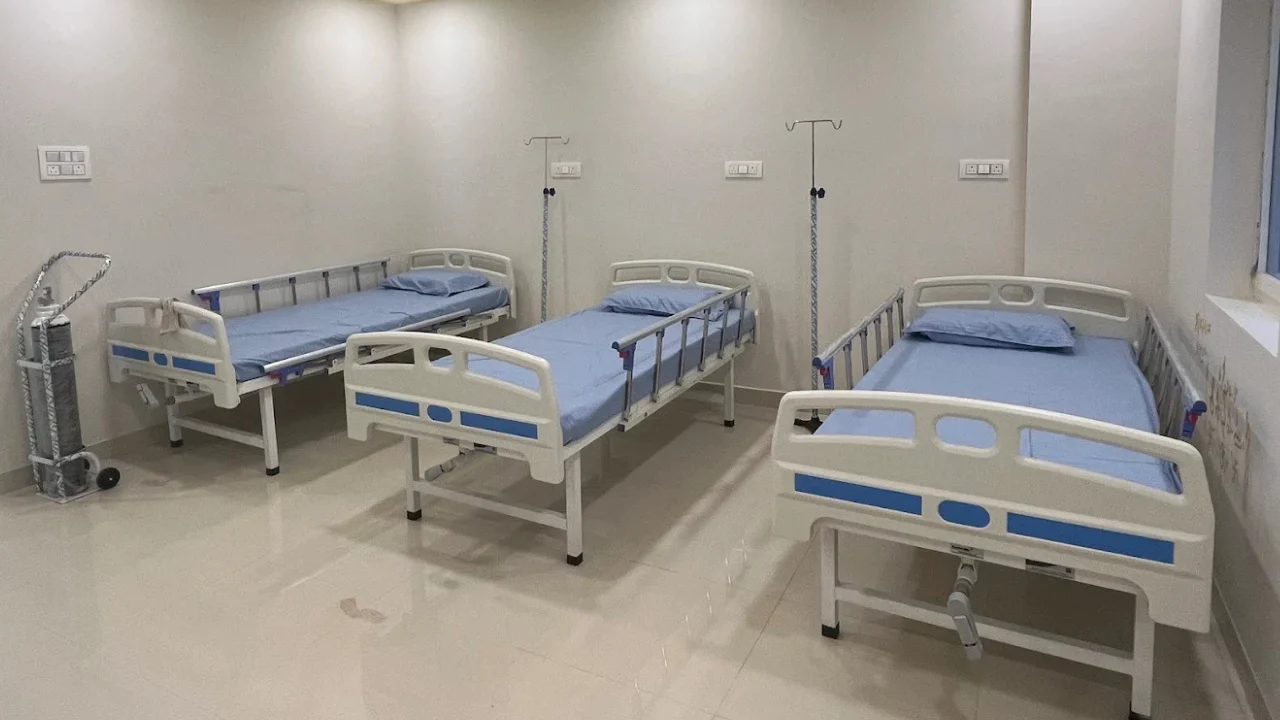
Secure & Safe Wards: Preventing access to substances.

Private & Shared Rooms: Clean, hygienic, and comfortable living spaces.
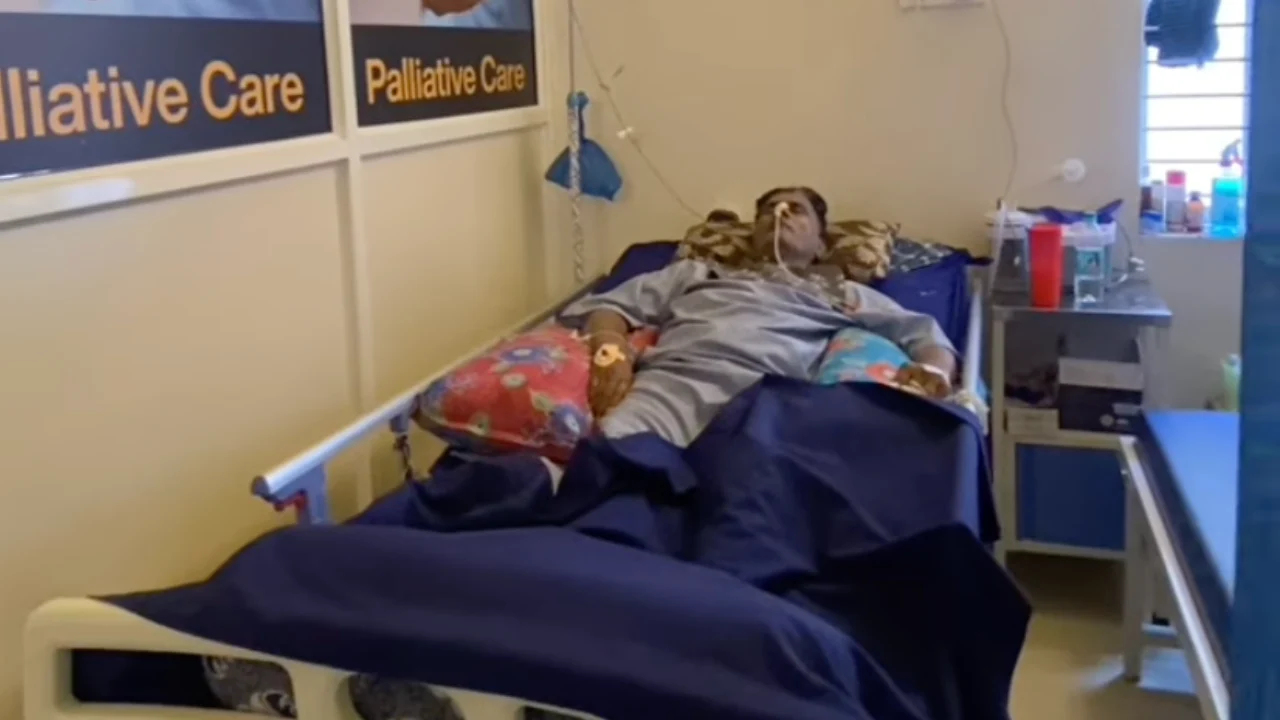
Recreational Zones: Indoor games and green spaces to rediscover joy without intoxication.
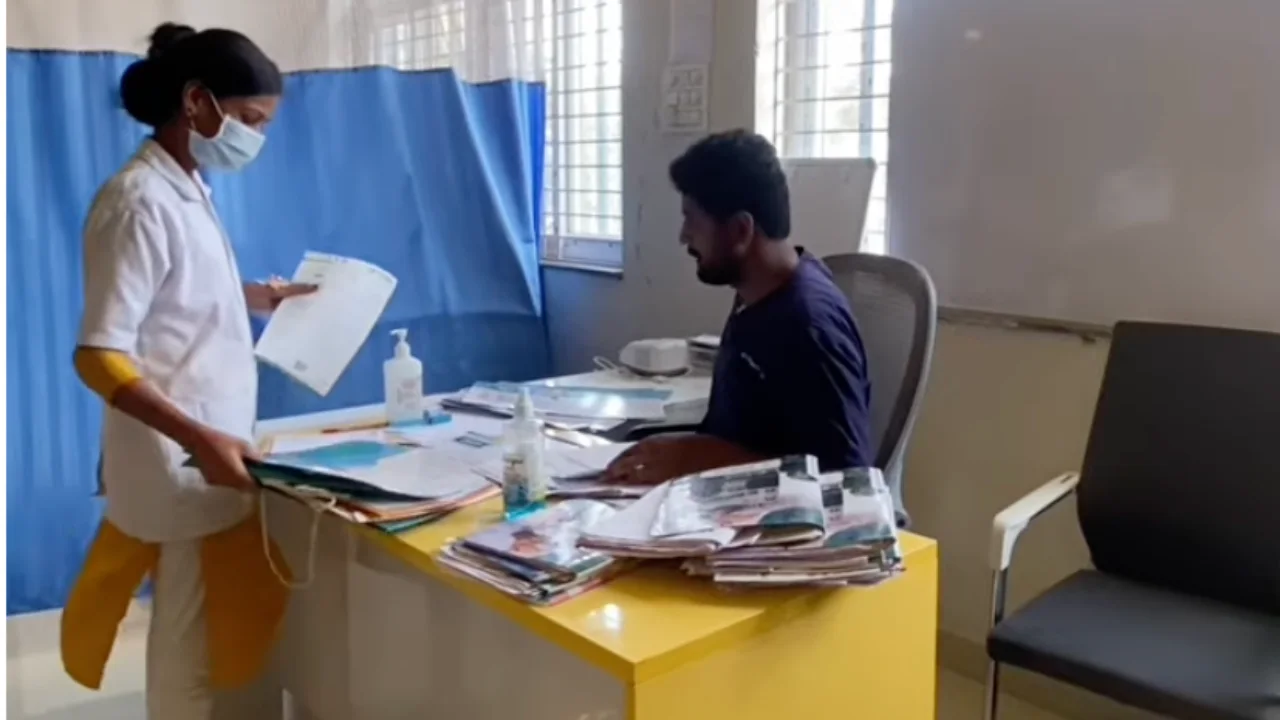
24/7 Emergency Medical Unit: On-site doctors for any physical health complications.
Frequently Asked Questions
Yes, but it is challenging. People with NPD often don't seek help because they don't think they have a problem. However, if they hit "rock bottom" (divorce, job loss) and commit to therapy, they can learn empathy and reduce manipulative behaviors.
No. Bipolar mood swings last for weeks or months. BPD mood swings can happen multiple times in a single day, usually triggered by relationship conflicts. We are experts in distinguishing between the two.
This is a classic symptom of "Disorganized Attachment." Therapy helps you understand this fear response so you can build secure, lasting connections.

You Are Not Your Disorder.