
Mobile Addiction Treatment
Digital Detox & Rehab - Bharosa Hospitals
Unplug and Reconnect: Advanced Mobile Addiction Treatment
In the digital age, smartphones are essential tools, but for many, they have become digital handcuffs. Mobile Addiction (medically referred to as Nomophobia or "No Mobile Phobia") is the irrational fear of being without your phone or being unable to use it.
At Bharosa Neuropsychiatry Hospitals, we recognize that smartphone addiction triggers the same chemical reaction in the brain as gambling or substance abuse. Every notification delivers a hit of dopamine, creating a compulsive loop that is hard to break. We help you transition from being a slave to your screen to being the master of your technology.
Is it Just a Habit or an Addiction?
Checking your email is normal. Checking it every 30 seconds while driving or eating is not. Mobile addiction is characterized by the inability to control use despite negative consequences.
Self-Assessment Checklist:
Do You Need Help?
If you answered YES to two or more of these questions, you may require professional medical intervention.
The Science
The "Slot Machine" in Your Pocket
Tech companies design apps to be addictive. The "pull-to-refresh" mechanism works exactly like a slot machine—intermittent variable rewards keep you hooked, waiting for the next "win" (a like, a message, or a news update).
This constant overstimulation desensitizes the brain's reward system, making real-life activities (reading, walking, talking) feel boring and slow by comparison.

Our Digital Detox & Recovery Protocol
We do not believe in banning technology completely—that is unrealistic in the modern world. Instead, our goal is Digital Hygiene and controlled usage.
1. Clinical Assessment
We evaluate the severity of the addiction. Is it covering up Social Anxiety? Depression? ADHD? We treat the root cause, not just the symptom.
2. Digital Detox (The Reset)
For severe cases, we recommend a short stay in our In-Patient Facility where devices are restricted. This "dopamine fast" allows the brain's neurochemistry to reset to baseline levels, reducing the craving for constant stimulation.
3. Cognitive Behavioral Therapy (CBT)
Our therapists work with you to:
- Identify emotional triggers (Do you scroll when you are lonely? Stressed? Bored?).
- Challenge the "Fear Of Missing Out" (FOMO).
- Rebuild attention span and focus through mindfulness training.
4. Lifestyle Redesign
We help you replace the phone habit with high-value activities. Whether it is sports, art, or social skills training, we fill the void left by the screen with meaningful real-world engagement.
A Special Note for Parents
Teens & Screens
Adolescent brains are still developing, making them highly susceptible to screen addiction.
Excessive mobile use in teens is linked to:
- Academic decline.
- Cyberbullying trauma.
- Body image issues.
- Aggressive behavior when the device is taken away.

Our Child & Adolescent Wing offers specialized family counseling to help parents set healthy boundaries without destroying the parent-child relationship
World-Class Facilities for Recovery
Recovery requires a dignified environment. Bharosa Neuropsychiatry Hospitals offers:
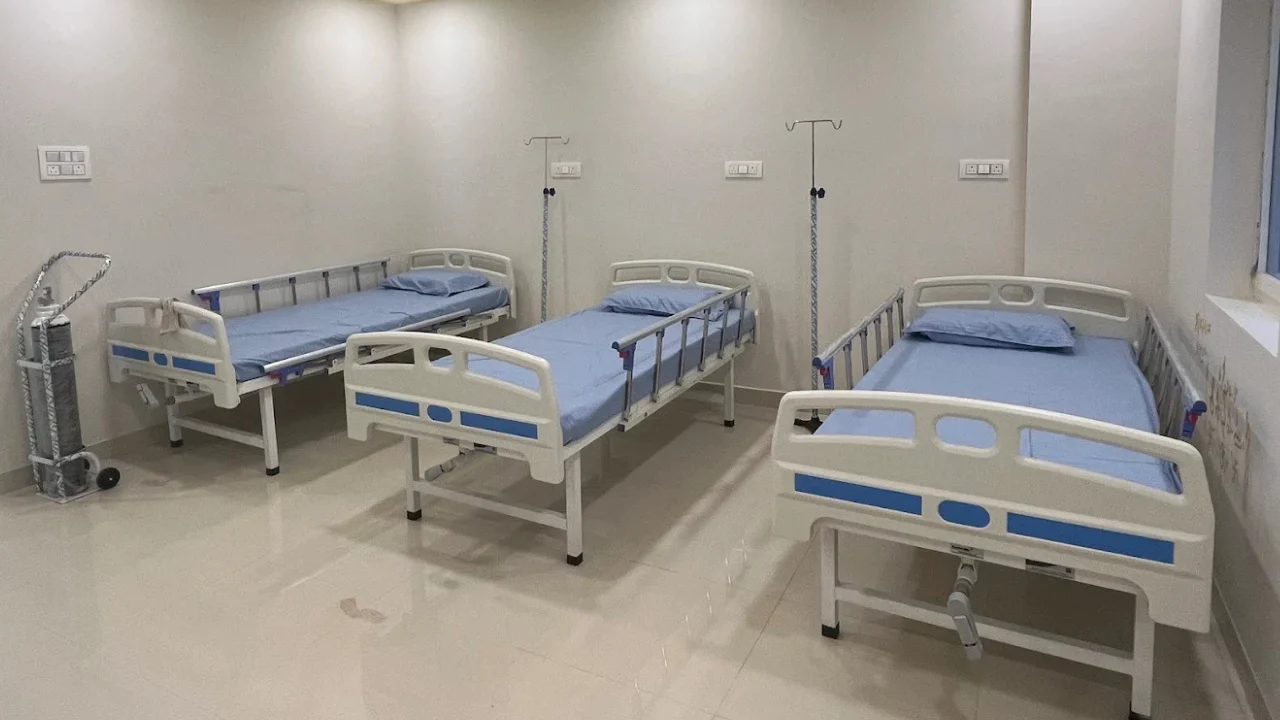
Secure & Safe Wards: Preventing access to substances.
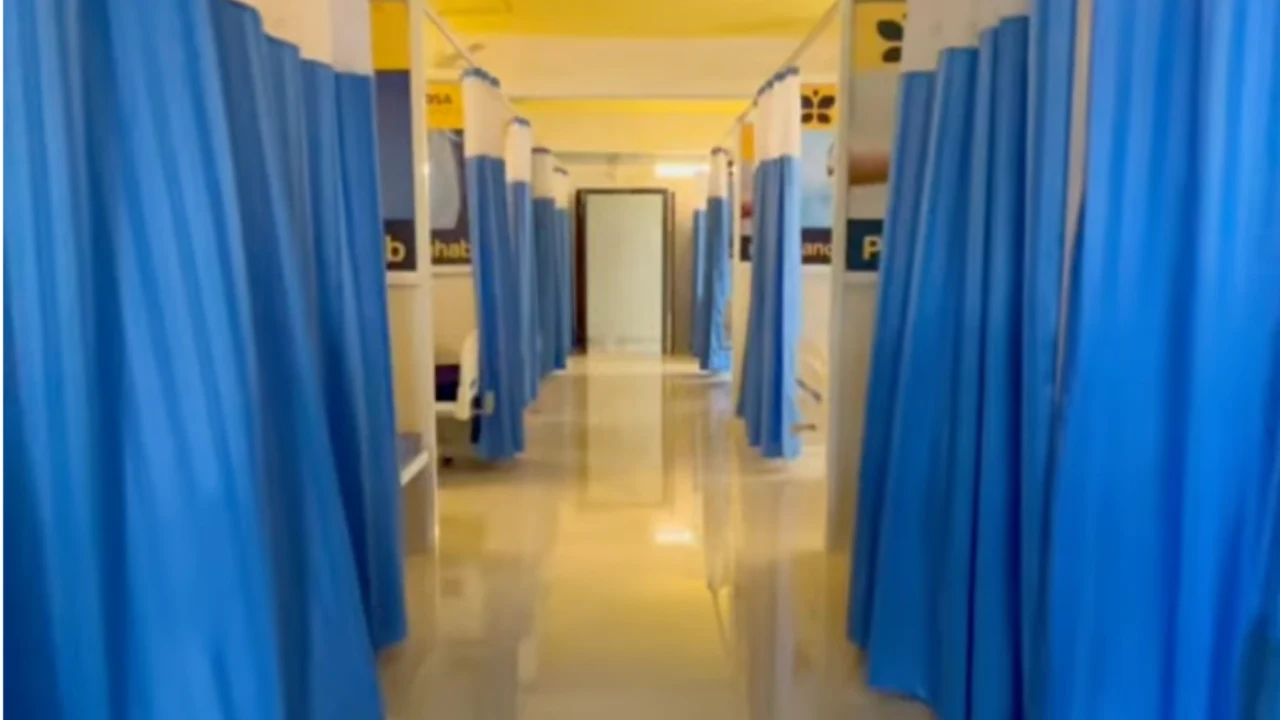
Private & Shared Rooms: Clean, hygienic, and comfortable living spaces.
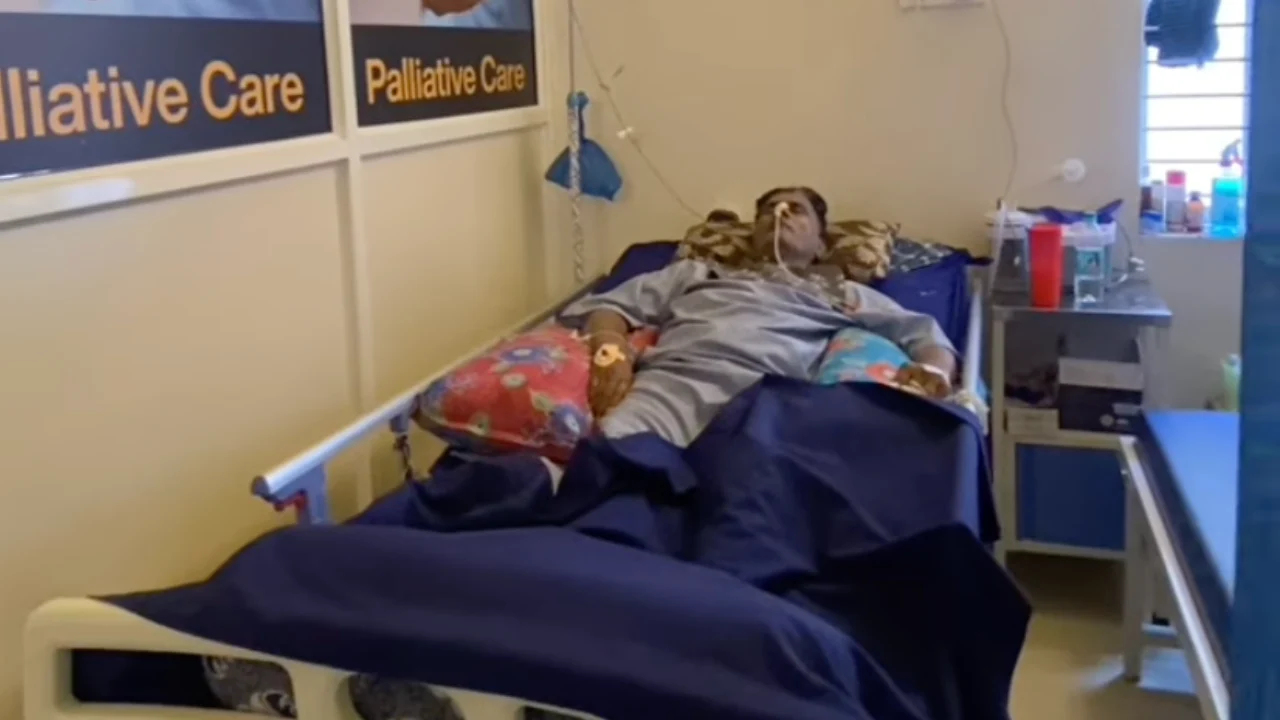
Recreational Zones: Indoor games and green spaces to rediscover joy without intoxication.
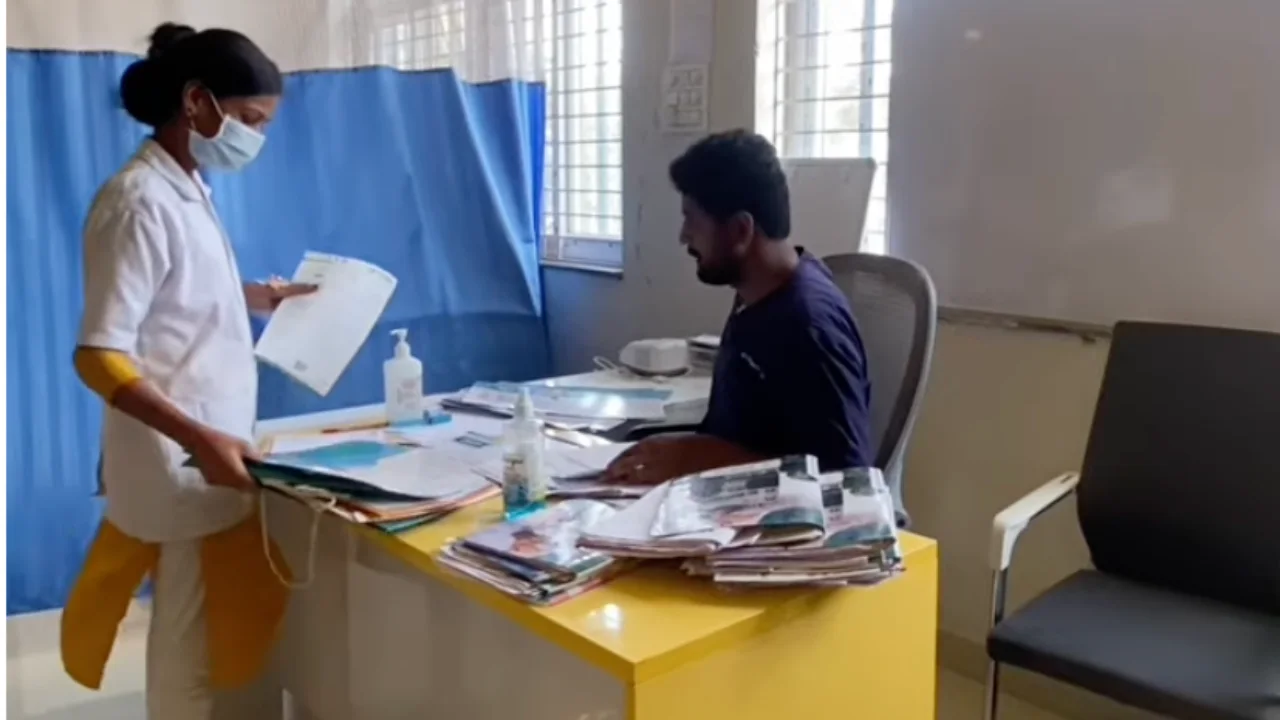
24/7 Emergency Medical Unit: On-site doctors for any physical health complications.
Frequently Asked Questions
If the addiction is affecting your job, your grades, your sleep, or your relationships, and you have tried to stop but failed—yes. Professional help provides the structure and therapy you cannot replicate at home.
To ensure a complete digital detox and focus on recovery, phone usage is restricted during the initial phases. However, scheduled calls with family are allowed as the patient progresses.
Yes. "Text Neck" (spine issues), digital eye strain, and carpal tunnel syndrome are common physical side effects we treat alongside the psychological addiction.

Life is Happening Right Now—Look Up.
Don't let an algorithm dictate your happiness. Reclaim your time, your focus, and your relationships. Call Bharosa Neuropsychiatry Hospitals today to start your digital detox.