

Gaming Addiction Treatment
Stop Video Game Dependency - Bharosa Hospitals
Level Up in Real Life: Specialized Gaming Addiction Treatment
Video games are designed to be immersive, but for millions of players, the virtual world has overtaken the real one. Gaming Addiction (or Internet Gaming Disorder) is not just a "phase"—it is a recognized mental health condition where the urge to play overrides eating, sleeping, working, and socializing.
At Bharosa Neuropsychiatry Hospitals, we understand the mechanics of modern gaming. From the dopamine rush of "Loot Boxes" to the social pressure of "Ranked Matches," games are engineered to keep you hooked. We help gamers press pause on the addiction and hit play on their real lives.
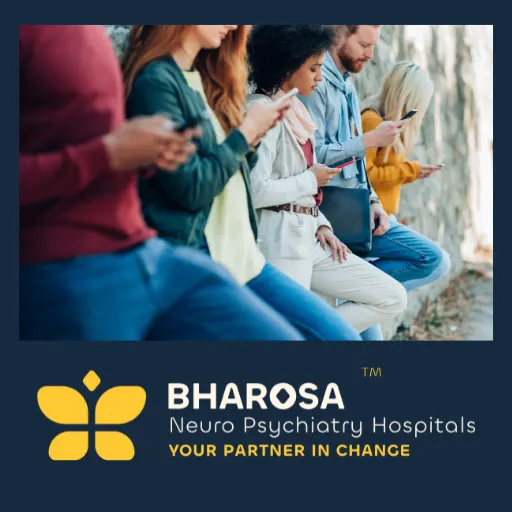
When Does a Hobby Become a Disorder?
Playing games like BGMI, Valorant, FIFA, or Minecraft is a common hobby. However, it becomes a medical issue when it causes "significant impairment" in personal, family, social, educational, or occupational functioning.
The Red Flags
If you answered YES to two or more of these questions, you may require professional medical intervention.
The Science: Why You Can’t "Just Stop"
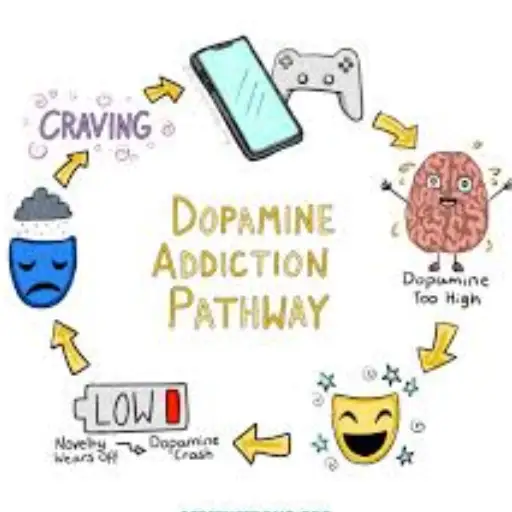
Modern video games utilize Variable Ratio Reinforcement—the same psychological mechanic used in slot machines.
- The Dopamine Loop: Winning a match, leveling up, or unlocking a "skin" releases a flood of dopamine. The brain becomes dependent on this high-speed reward system.
- Escapism: For many, the game world is a safe haven from bullying, academic failure, or social anxiety. In the game, they are heroes; in real life, they feel powerless.
At Bharosa, we prioritize Safety First. Our patients undergo Medically Assisted Detox under the 24/7 supervision of psychiatrists and critical care nurses to ensure the alcohol leaves the body safely and painlessly.
The Physical & Mental Toll
Gaming addiction doesn't just affect the mind; it ravages the body. We treat the physical side effects alongside the psychological ones.
Physical: Carpal Tunnel Syndrome, digital eye strain, chronic back pain, obesity (sedentary lifestyle) or malnutrition (skipping meals).
Sleep Hygiene: "Revenge Bedtime Procrastination"—staying up until 4 AM to play, leading to chronic fatigue and cognitive decline.
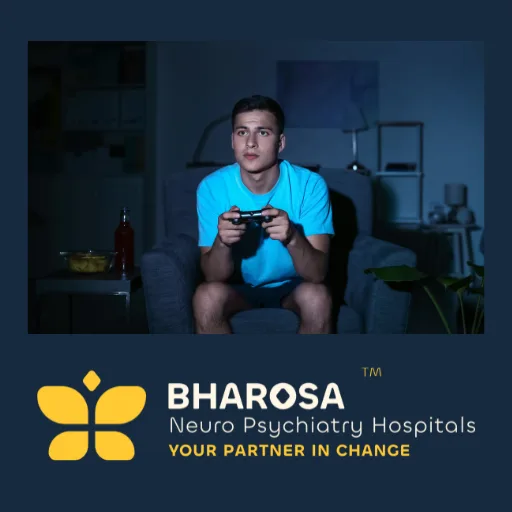
Our Treatment Protocol: Reset & Rebuild
We don't aim to demonize technology, but to restore balance.
1. Digital Detox (In-Patient)
For severe cases where violence or total dysfunction is present, a residential stay is required. This breaks the immediate compulsion and resets the brain's sleep-wake cycle.
2. Cognitive Behavioral Therapy (CBT)
We tackle the distortion of reality.
- Thought: "I am only important if I am a high rank in the game."
- Correction: Building self-esteem based on real-world achievements, not virtual badges.
3. Family Counseling
Parents often unknowingly enable the addiction or make it worse through constant conflict. We teach parents Constructive negotiation techniques—setting healthy boundaries without turning the home into a battlefield.
4. Treating Co-Occurring Disorders
A significant percentage of gamers suffer from ADHD or Social Anxiety. Treating these underlying conditions often reduces the urge to escape into the game.
World-Class Facilities for Recovery
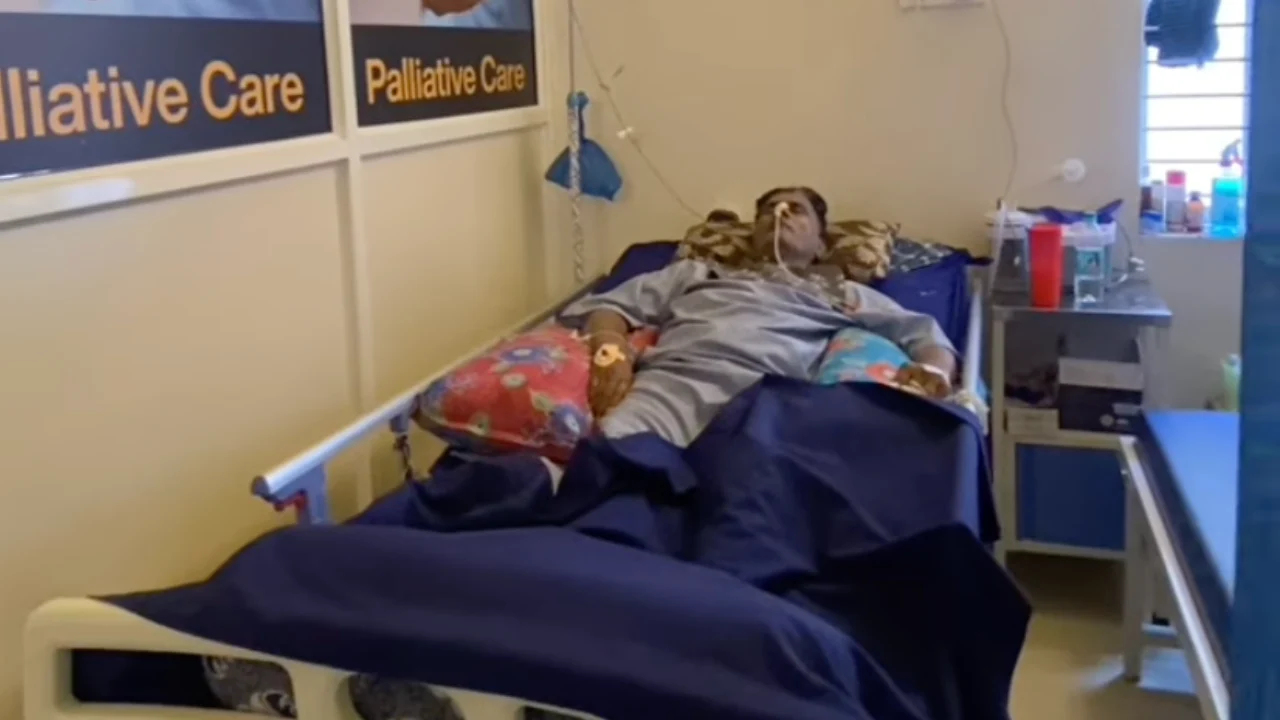
Recovery requires a dignified environment. Bharosa Neuropsychiatry Hospitals offers:
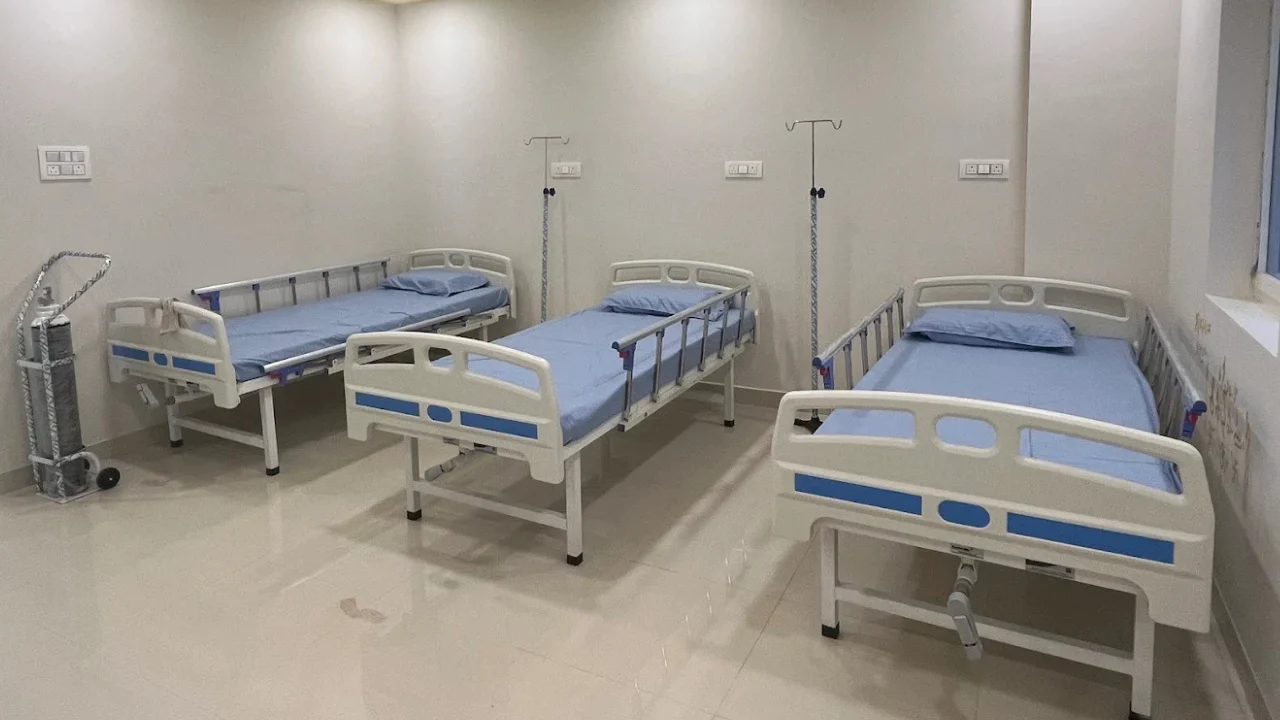
Secure & Safe Wards: Preventing access to substances.

Private & Shared Rooms: Clean, hygienic, and comfortable living spaces.
Recreational Zones: Indoor games and green spaces to rediscover joy without intoxication.
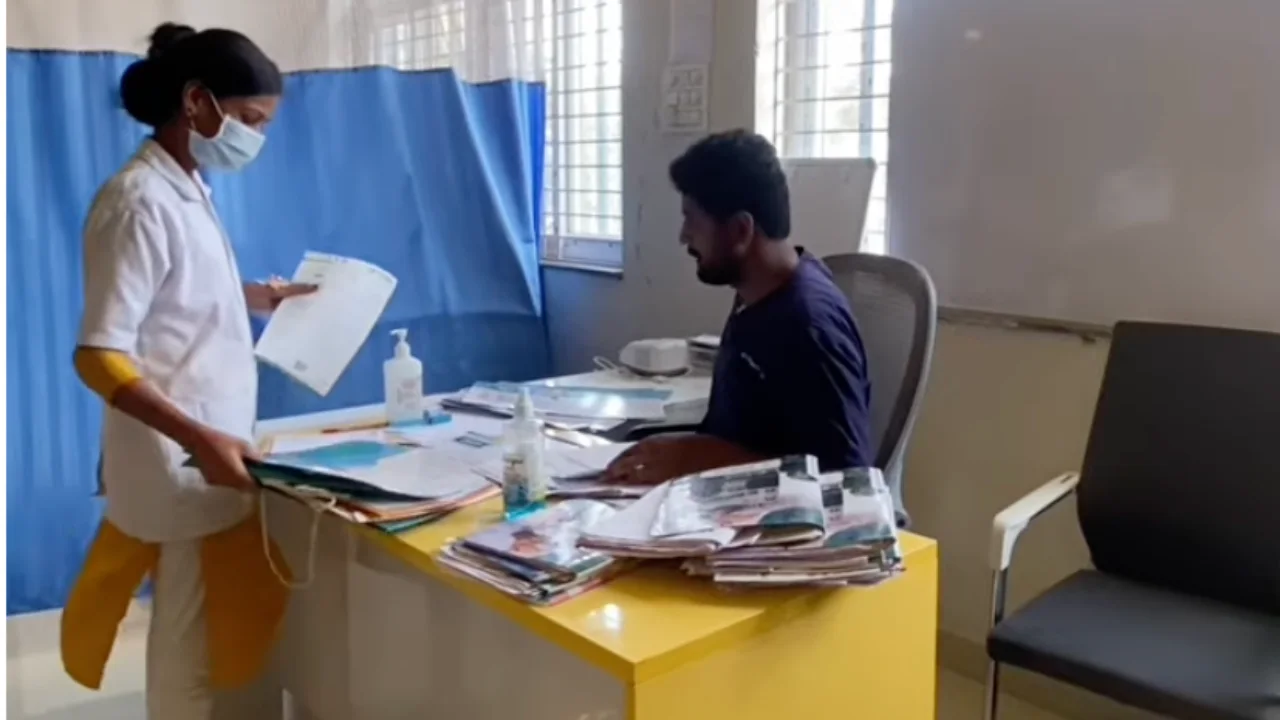
24/7 Emergency Medical Unit: On-site doctors for any physical health complications.
Frequently Asked Questions
(Gaming Addiction)
Yes. The World Health Organization (WHO) included "Gaming Disorder" in the 11th Revision of the International Classification of Diseases
(ICD-11). It is a legitimate medical diagnosis.
This is a sign of severe withdrawal and emotional dysregulation. Do not engage in physical confrontation. Contact a professional immediately. In extreme cases, our emergency psychiatric team can assist with de-escalation.
It depends on the severity. For some, moderation is possible after treatment. For others, total abstinence (like an alcoholic avoiding alcohol) is the only safe path. Our therapists help determine the best long-term strategy.

Don’t Let the Game Control You.
There is no "Respawn" button in real life. Academic years lost and relationships broken cannot be easily fixed. Take control of the controller today.