

Gambling & Rummy Addiction Treatment
Bharosa Neuropsychiatry Hospitals
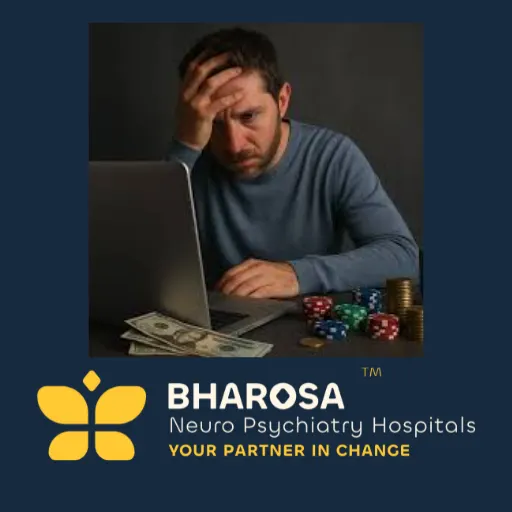
Losing More Than Money
Specialized Gambling & Betting Addiction Treatment
Gambling addiction (medically known as Ludopathy or Compulsive Gambling) is the hidden addiction. Unlike drugs or alcohol, there are no physical signs like slurred speech or red eyes—until the financial crash happens.
In recent years, the explosion of Online Rummy, Fantasy Sports (Dream11), and Trading Apps has turned millions of smartphones into 24/7 casinos.
At Bharosa Neuropsychiatry Hospitals, we understand that this is not just about "being greedy" or "bad with money." It is an impulse control disorder where the brain seeks the dopamine rush of the "win" despite devastating consequences. We are here to help you stop the losses and start the healing.

The "Skill Game" Trap: Rummy & Fantasy Sports
Many apps market themselves as "Games of Skill" to bypass legal bans. However, for the addict, the mechanism is pure gambling. The speed of the game, the near-misses, and the instant cash transfers trigger the same brain receptors as cocaine.
We treat addiction to:
If you answered YES to two or more of these questions, you may require professional medical intervention.
The Psychology of "Chasing Losses"
The defining characteristic of a gambling addict is Chasing Losses.
- The Thought Process: "I just need one big win to pay off my debts, and then I will stop forever."
- The Reality: The "big win" rarely comes. If it does, it is immediately gambled away in hopes of doubling it.
This cycle creates immense Financial Stress, leading to severe anxiety, depression, and a high risk of suicide.
At Bharosa, we prioritize Safety First. Our patients undergo Medically Assisted Detox under the 24/7 supervision of psychiatrists and critical care nurses to ensure the alcohol leaves the body safely and painlessly.
Signs You Have a Gambling Problem
While many centers offer short-term 30-day retreats, scientific data suggests that chronic addiction requires more time to rewire the brain's neural pathways. This is why Bharosa advocates for our specialized 100-Days Treatment Program.
Our Treatment Protocol: Breaking the Cycle
1. Immediate Crisis Intervention
Gamblers often seek help only when they are in massive debt or facing legal/family crises. Our first step is stabilizing the patient’s mental state to prevent self-harm (suicide prevention).
2. The "No-Access" Environment (In-Patient)
Recovery is impossible if the patient has a phone in their hand. Our In-Patient Facility provides a secure environment with zero access to internet/phones. This breaks the immediate compulsion and stops the financial bleeding instantly.
3. Cognitive Behavioral Therapy (CBT)
We target the "Gambler's Fallacy"—the magical thinking that "I am due for a win" or "I have a system."
- We help patients accept the mathematical reality of loss.
- We identify emotional triggers (boredom, ego, desperation).
4. Financial Guardianship Strategy
We work with the family to restructure finances. This involves handing over control of bank accounts and credit cards to a trusted family member, removing the means to gamble while trust is rebuilt.
World-Class Facilities for Recovery
Recovery requires a dignified environment. Bharosa Neuropsychiatry Hospitals offers:
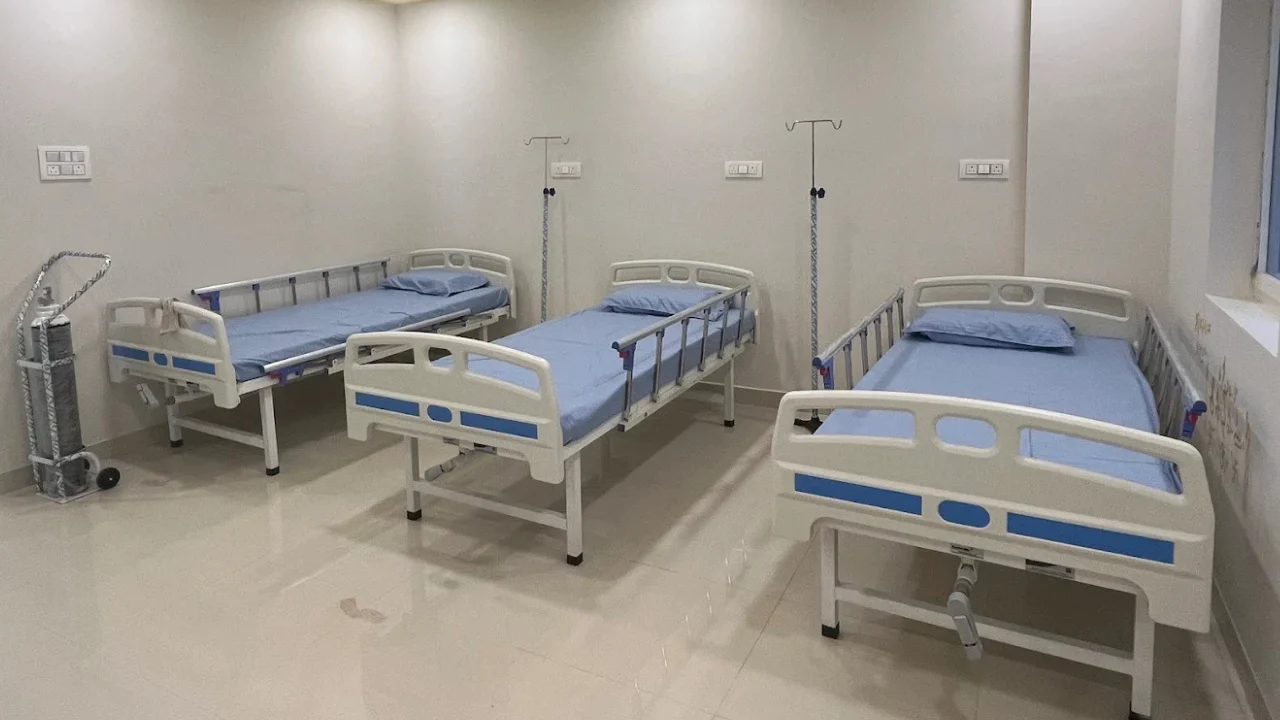
Secure & Safe Wards: Preventing access to substances.

Private & Shared Rooms: Clean, hygienic, and comfortable living spaces.
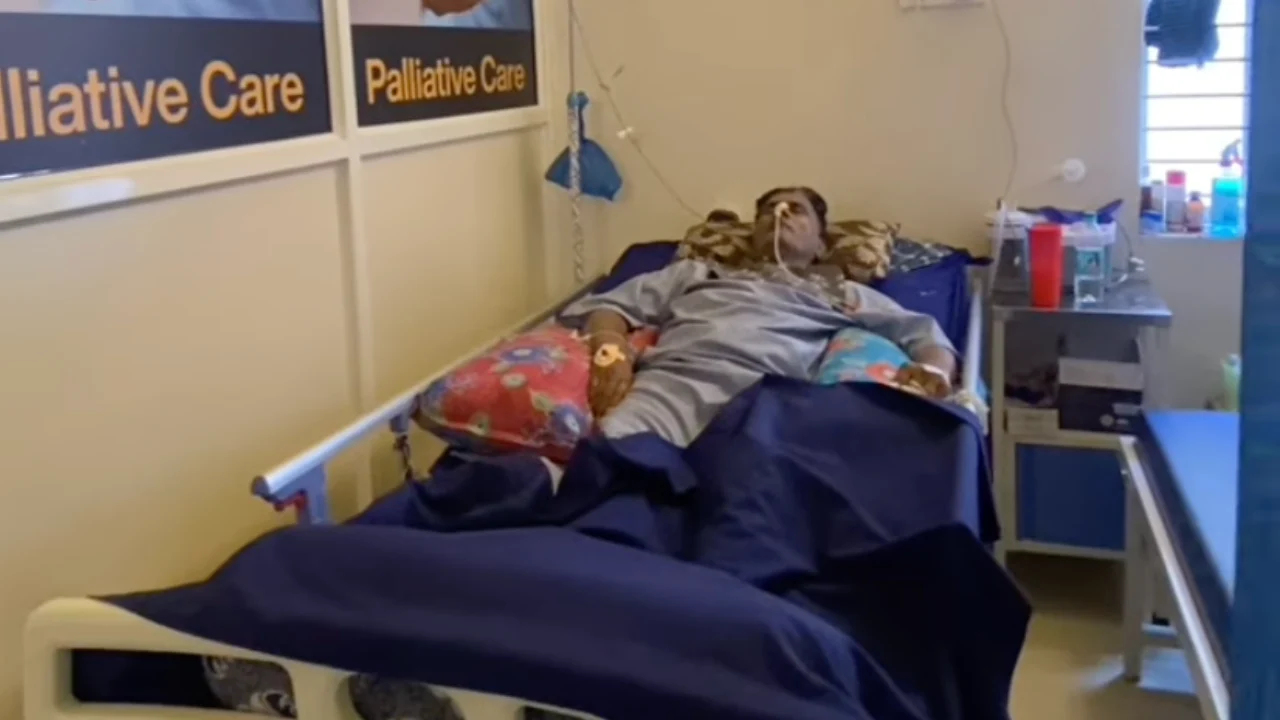
Recreational Zones: Indoor games and green spaces to rediscover joy without intoxication.
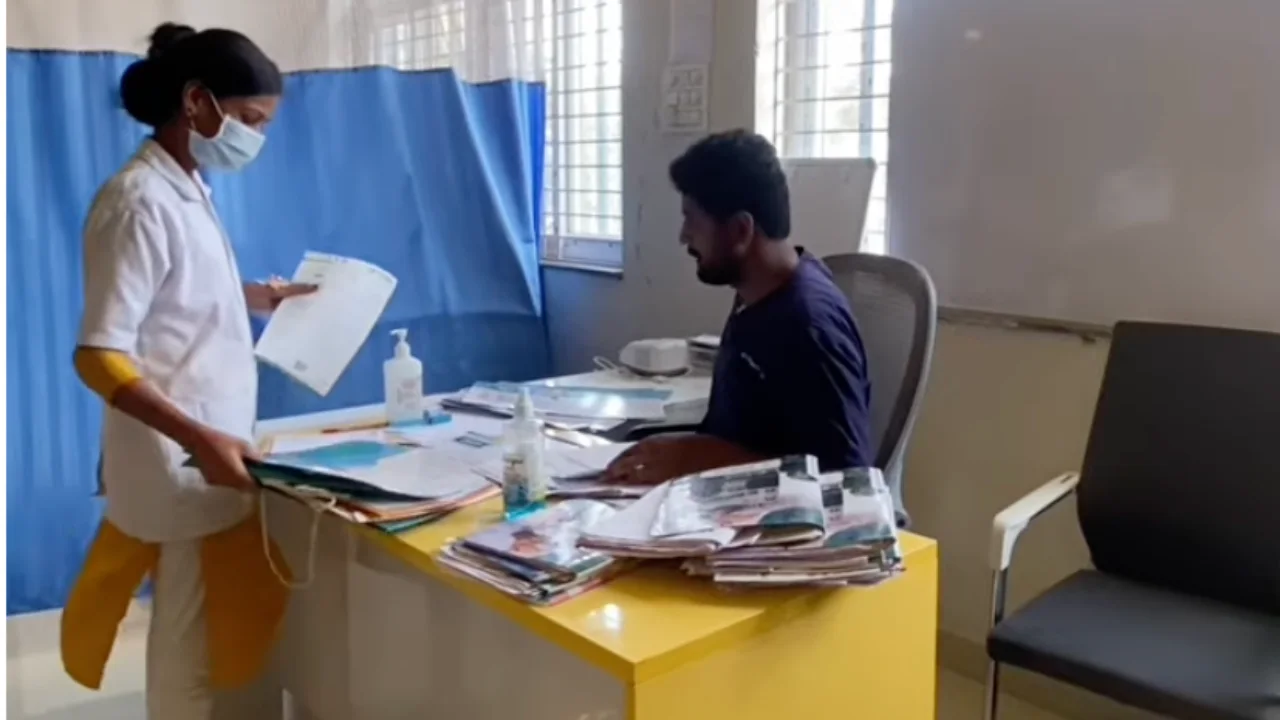
24/7 Emergency Medical Unit: On-site doctors for any physical health complications.
Frequently Asked Questions
Long-term investing is not. However, compulsive Intraday (Day) Trading and F&O (Futures & Options), where high risks are taken for quick adrenaline rushes despite repeated losses, is clinically treated as a gambling disorder.
No, the hospital does not offer financial aid. Our role is to treat the behavior that caused the debt. However, we do provide counseling on how to face creditors and manage financial stress without relapsing.
For a true addict, deleting the app is a temporary measure. They will re-download it or find a new site within days. Professional treatment is needed to change the urge, not just the availability.

The Best Bet You Can Make is on Yourself.
The house always wins, but you don't have to keep losing. Stop digging the hole deeper. Admit you need help, and let us help you rebuild your life and your family's trust.