

Depression Treatment & Recovery
Bharosa Neuropsychiatry Hospitals
Lifting the Fog
Specialized Treatment for Clinical Depression
Sadness is a natural reaction to life's challenges. But when that sadness becomes a heavy, suffocating fog that won't lift after weeks or months, it is no longer just "feeling low"—it is Clinical Depression.
At Bharosa Neuropsychiatry Hospitals, we understand that telling someone with depression to "just think positive" is like telling a person with a broken leg to "just walk it off." It doesn't work. We treat Depression as a serious neurobiological condition involving brain chemistry, genetics, and environmental factors. Our mission is to help you rediscover hope, energy, and the will to live.
Is It Sadness or Depression?
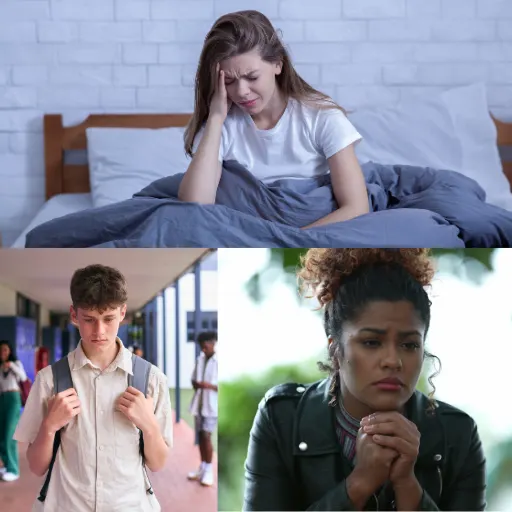
Depression affects the whole body, not just the mind. If you have been experiencing these symptoms for more than two weeks, you may be suffering from Major Depressive Disorder (MDD).
Emotional Signs
- Persistent emptiness or hopelessness.
- Loss of interest in hobbies you once loved (Anhedonia).
- Irritability or excessive anger.
- Feelings of worthlessness or excessive guilt.
- Recurrent thoughts of death or suicide.
Physical Signs
- Chronic fatigue (feeling tired even after sleeping).
- Sleep disturbances (Insomnia or sleeping too much).
- Significant weight loss or gain.
- Unexplained body aches or digestive issues.
- Slowed movement or speech.
Types of Depression We Treat
Depression is not "one size fits all." We tailor our treatment based on the specific type of disorder:
- Major Depressive Disorder (MDD): Severe symptoms that interfere with the ability to work, sleep, study, eat, and enjoy life.
- Persistent Depressive Disorder (Dysthymia): A depressed mood that lasts for at least two years. It may be less severe than MDD but is chronic and draining.
- Postpartum Depression: Severe depression in new mothers caused by hormonal shifts after childbirth.
- Treatment-Resistant Depression: Cases that have not responded to standard medication. We use advanced therapies like rTMS (Transcranial Magnetic Stimulation) for these patients.
Bio-Psycho-Social Care
We don't just prescribe a pill and send you home. We use a holistic model to rebuild your mental health.
1. Pharmacotherapy (Medication)
Our psychiatrists prescribe modern Antidepressants (SSRIs/SNRIs) that help balance neurotransmitters like Serotonin and Norepinephrine.
- Myth Buster: Antidepressants are not "happy pills." They simply restore the chemical balance so you can feel happy again.
2. Psychotherapy (CBT)
Medication opens the door; therapy helps you walk through it.
- Cognitive Behavioral Therapy (CBT): We identify negative thought loops ("I am a failure") and replace them with realistic, constructive thoughts.
- Interpersonal Therapy: Addressing relationship issues that may be contributing to the depression.
3. Advanced rTMS Therapy
For patients who do not want medication or haven't found relief from it, we offer rTMS (Repetitive Transcranial Magnetic Stimulation). This is a non-invasive, FDA-approved treatment that uses magnetic pulses to stimulate the underactive areas of the brain responsible for mood.
World-Class Facilities for Recovery
Recovery requires a dignified environment. Bharosa Neuropsychiatry Hospitals offers:
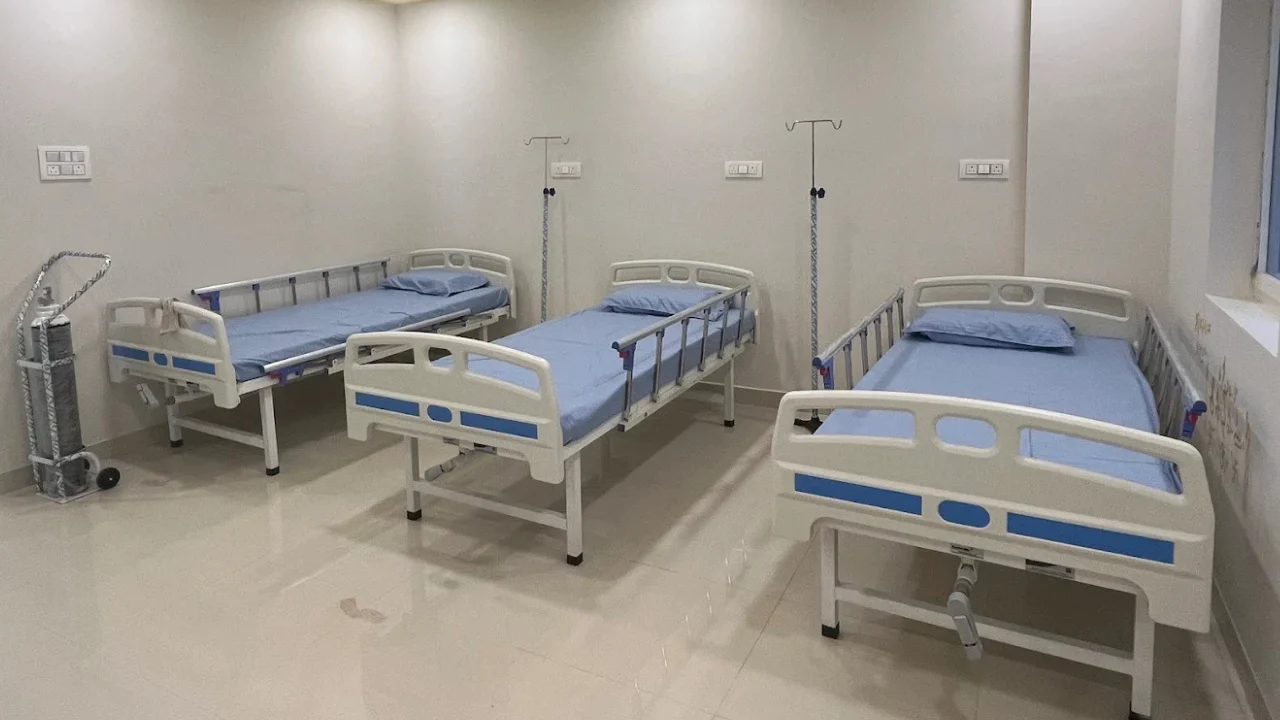
Secure & Safe Wards: Preventing access to substances.
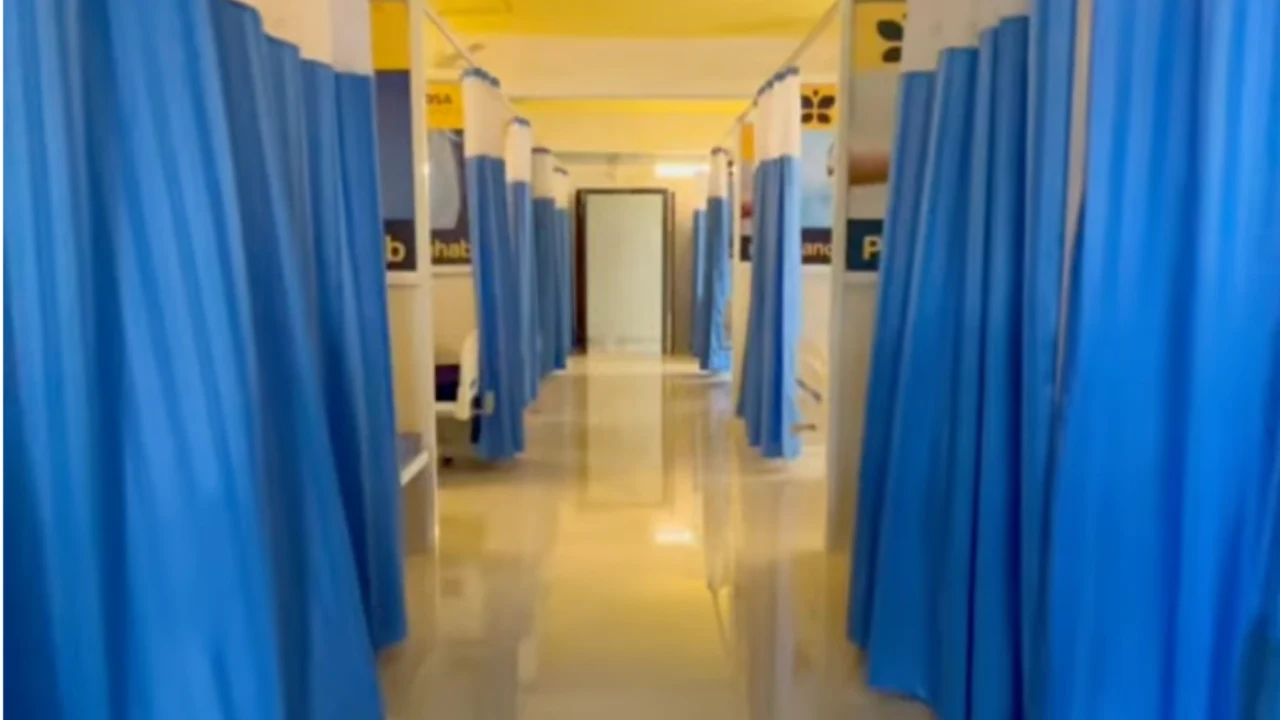
Private & Shared Rooms: Clean, hygienic, and comfortable living spaces.
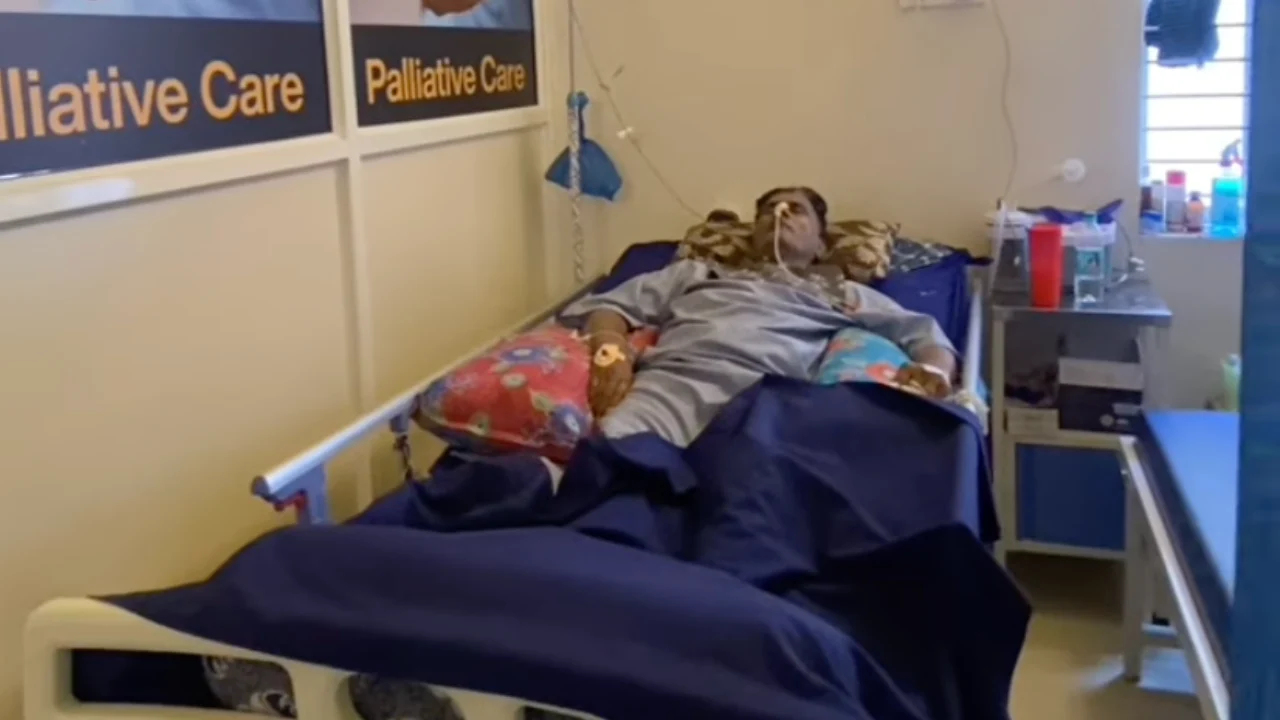
Recreational Zones: Indoor games and green spaces to rediscover joy without intoxication.
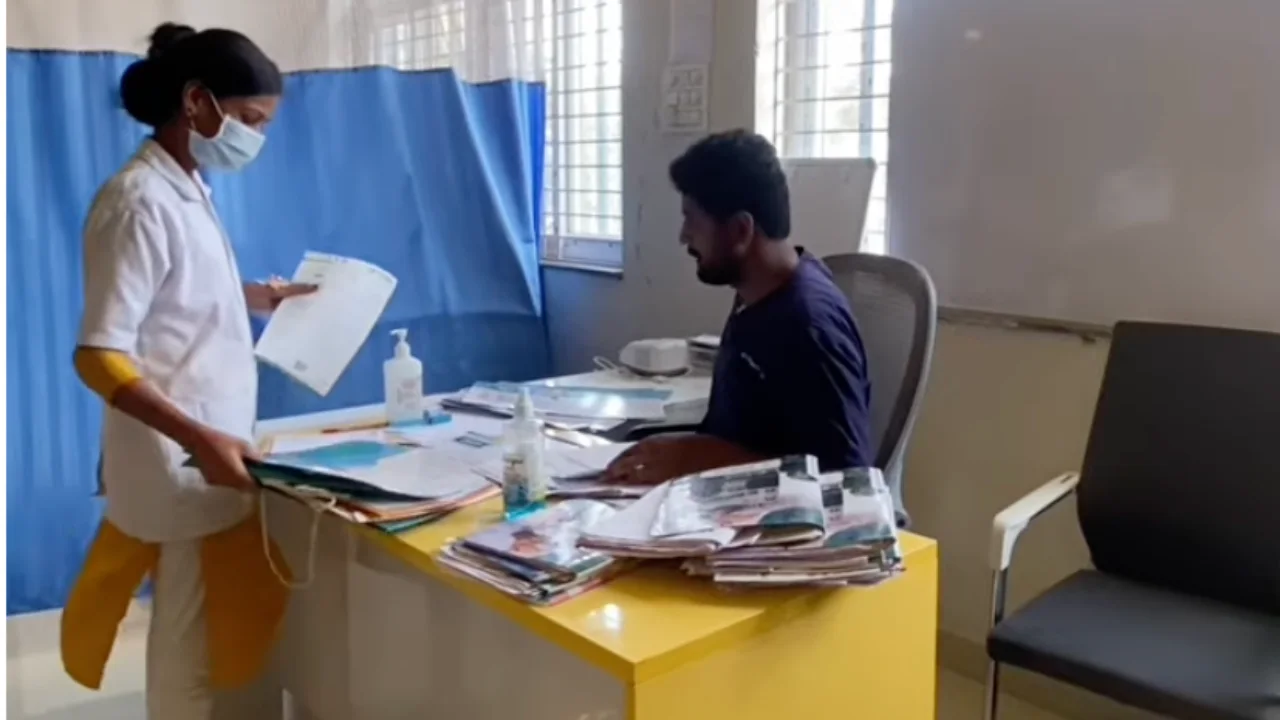
24/7 Emergency Medical Unit: On-site doctors for any physical health complications.
Frequently Asked Questions
No. Unlike sedatives or alcohol, antidepressants do not cause a "high" or cravings. They are non-addictive. You will be weaned off them gradually under doctor supervision once you have recovered.
Most patients start feeling an improvement in energy within 2-3 weeks of starting medication, but full mood recovery may take 6-8 weeks. We recommend continuing treatment for at least 6-12 months to prevent relapse.
Yoga and exercise are excellent supportive therapies, but for moderate-to-severe Clinical Depression, they are rarely enough on their own. We recommend a combination of medical treatment and lifestyle changes for the best results.

You Are Not Alone in This Fight.
Depression lies to you. It tells you that things will never get better. That is not true. Recovery is possible, and it is waiting for you at Bharosa.