
Cannabis & Marijuana De-Addiction
Bharosa Neuro Psychiatry Hospitals
Overcome the Haze
Specialized Cannabis (Marijuana) De-Addiction
There is a dangerous myth that Cannabis (Weed, Ganja, Bhang, Pot) is "natural" and therefore "harmless." However, modern psychiatry recognizes Cannabis Use Disorder (CUD) as a serious condition. Today’s marijuana is significantly more potent in THC content than it was decades ago, leading to higher rates of dependency, cognitive decline, and psychiatric complications.
At Bharosa Neuropsychiatry Hospitals, we treat marijuana addiction not just as a habit, but as a complex neurobiological issue. If you feel like your life is "stalled" or you cannot function without being high, we are here to help you clear the fog and regain your potential.
The "Silent" Addiction
Why You Can’t Just Stop
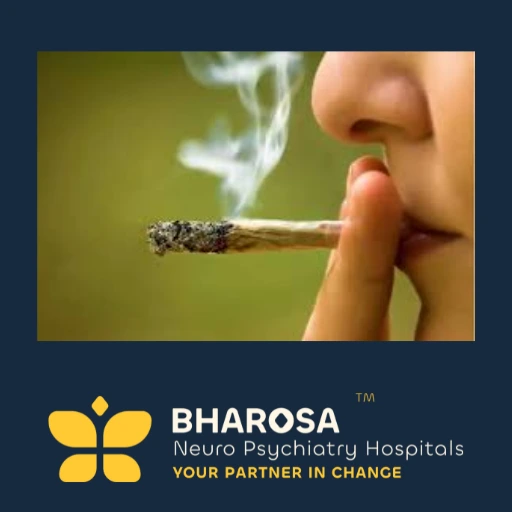
Unlike alcohol or heroin, marijuana addiction often creeps up slowly. Users may feel they are in control, but over time, the drug hijacks the brain's reward system.
The most common sign of long-term cannabis abuse is Amotivational Syndrome—a state of passivity, apathy, and a lack of ambition. Talented individuals often find themselves losing interest in their careers, studies, and hobbies, content to just "exist" while high.
The Medical Risk
Cannabis & Mental Health
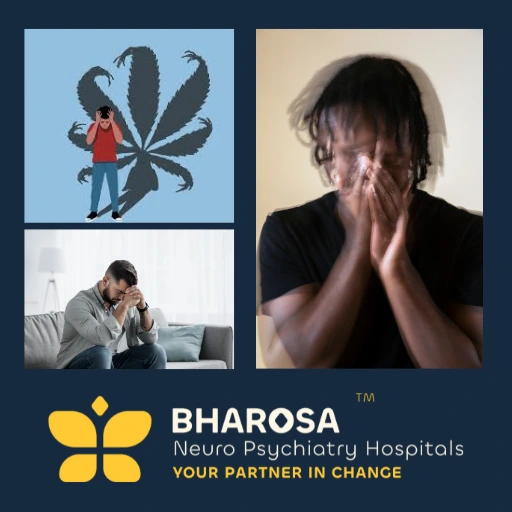
As a specialized Neuropsychiatry Hospital, we see the severe side of cannabis use that regular rehabs often miss. Chronic use, especially in young adults, is strongly linked to severe psychiatric conditions.
- Cannabis-Induced Psychosis: A terrifying state where the user experiences hallucinations (hearing voices) and paranoia. This can sometimes trigger underlying Schizophrenia in genetically vulnerable individuals.
- Severe Anxiety & Panic: High doses of THC can trigger panic attacks rather than relaxation.
- Depression: Long-term use depletes the brain’s natural dopamine, leading to chronic low moods when sober.
At Bharosa, we prioritize Safety First. Our patients undergo Medically Assisted Detox under the 24/7 supervision of psychiatrists and critical care nurses to ensure the alcohol leaves the body safely and painlessly.
Our Treatment Approach
Quitting marijuana is rarely fatal, but it is psychologically difficult due to intense cravings and mood swings. Our treatment protocol focuses heavily on Behavioral Restructuring.
1. Stabilization & Detox
While there is no specific "antidote" for cannabis, we provide symptomatic relief for withdrawal issues like insomnia, severe anxiety, and nausea. We ensure your body flushes out the toxins in a safe, drug-free environment.
2. Cognitive Behavioral Therapy (CBT)
CBT is the gold standard for treating Cannabis Use Disorder. We help you:
- Identify the triggers (stress, boredom, peer pressure).
- Challenge the belief that "I need weed to be creative/relaxed."
- Develop healthy coping mechanisms.
3. Addressing Amotivational Syndrome
Through our Occupational Therapy and 100-Days Program, we work on rebuilding your routine. We help reignite your passion for life, career, and hobbies that were lost to the addiction.
4. Dual Diagnosis Treatment
Many people smoke weed to self-medicate for ADHD, Anxiety, or Bipolar Disorder. Our psychiatrists diagnose and treat these underlying conditions so you no longer feel the need to self-medicate.
World-Class Facilities for Recovery
Recovery requires a dignified environment. Bharosa Neuropsychiatry Hospitals offers:
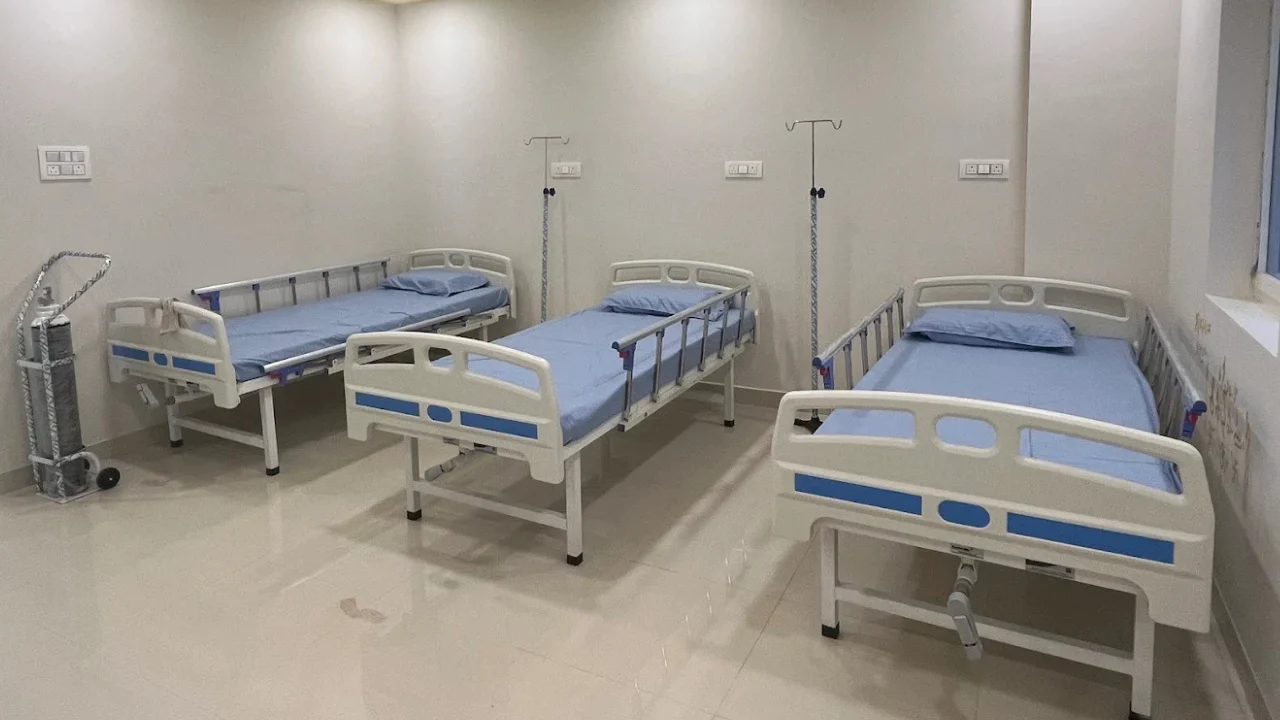
Secure & Safe Wards: Preventing access to substances.
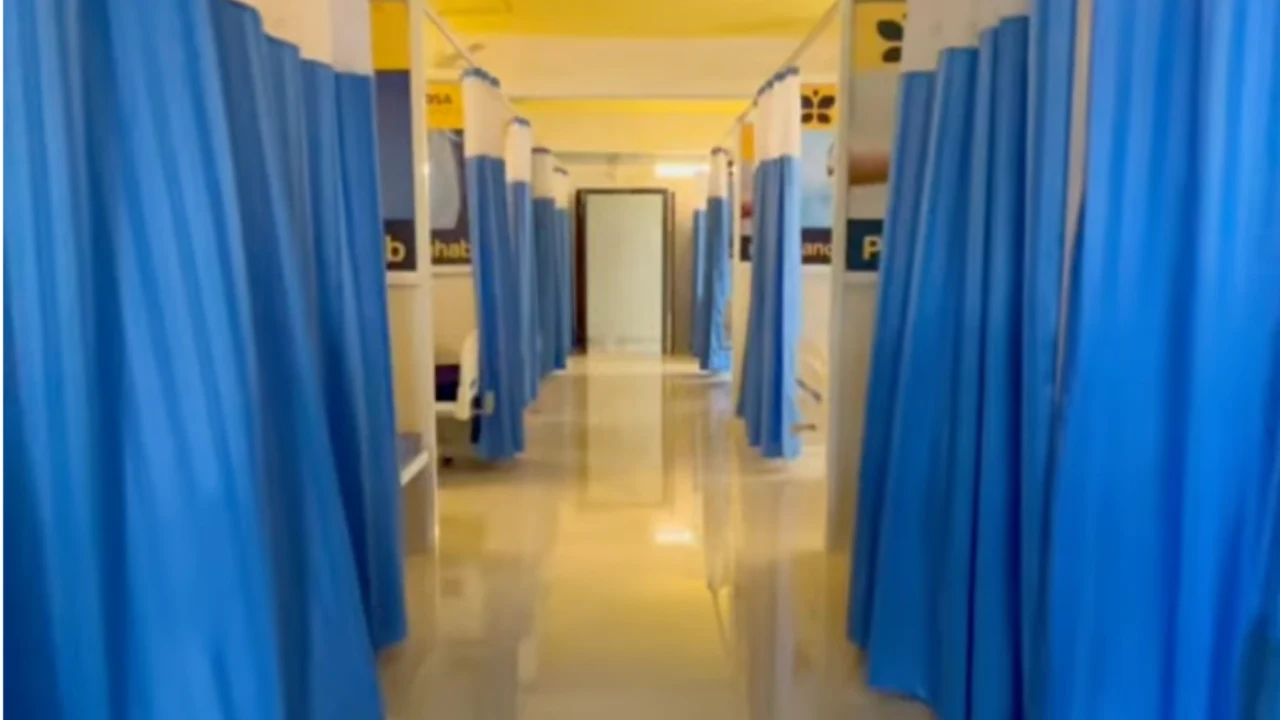
Private & Shared Rooms: Clean, hygienic, and comfortable living spaces.
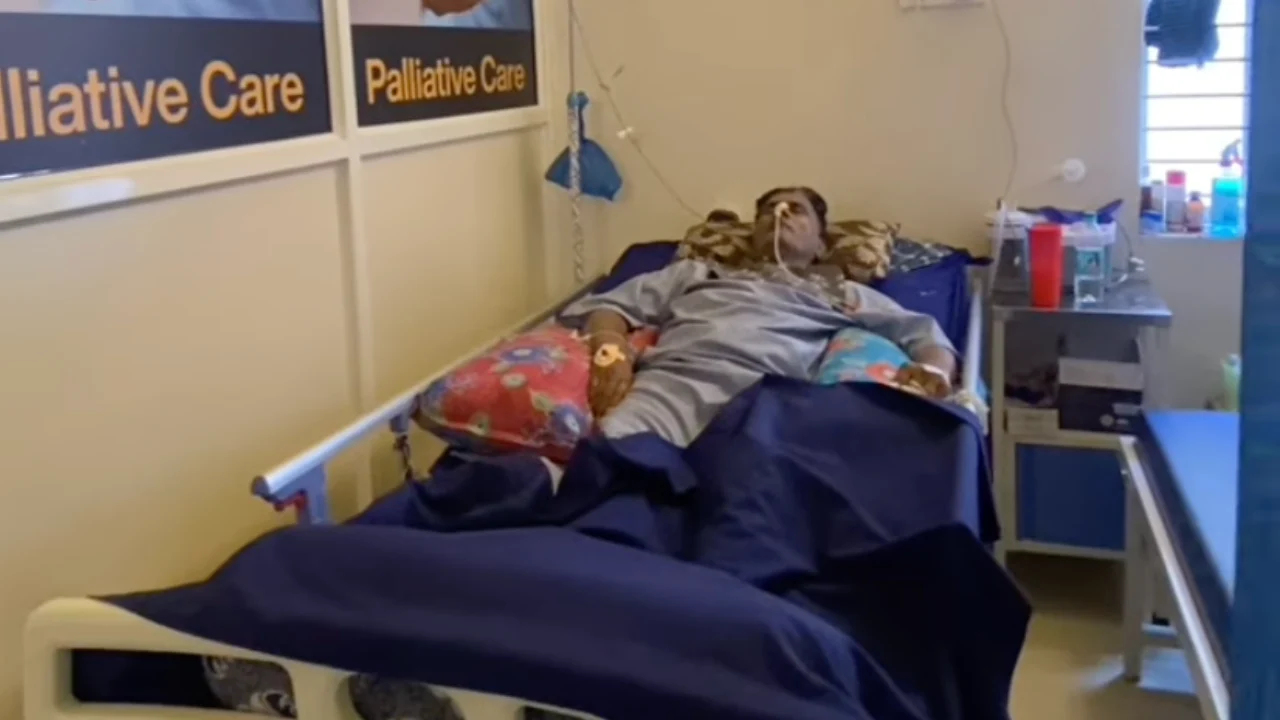
Recreational Zones: Indoor games and green spaces to rediscover joy without intoxication.
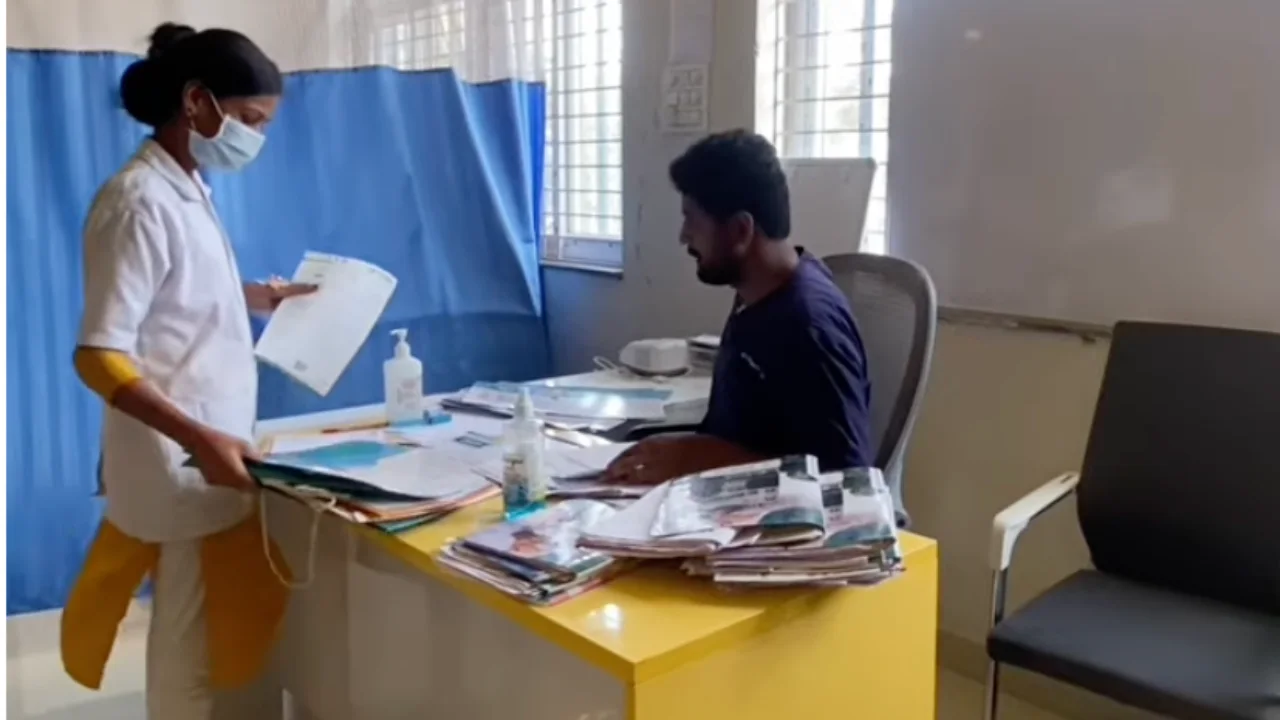
24/7 Emergency Medical Unit: On-site doctors for any physical health complications.
Frequently Asked Questions
Yes. approximately 30% of marijuana users develop some degree of problem use (Cannabis Use Disorder). The risk of addiction is higher if you start using it during adolescence.
Heavy use, especially in teenagers and young adults, can alter brain development, affecting IQ, memory, and attention span. However, with prolonged abstinence and rehabilitation, significant cognitive recovery is possible.
Yes, Bhang contains the same psychoactive compounds as smoked cannabis and can lead to severe dependency and gastrointestinal issues. We treat all forms of cannabinoid abuse.

Clear the Fog. Reclaim Your Potential.
Don't let your life go up in smoke. If you or a loved one is losing their ambition and mental health to marijuana, we can help you find your way back.