

Bipolar Disorder Treatment in Hyderabad
Bharosa Neuro Psychiatry Hospitals
Specialized Treatment for Bipolar Disorder
Bipolar Disorder Treatment in Hyderabad at Bharosa Neuro Psychiatry Hospital focuses on accurate diagnosis, mood stabilization, and long-term psychiatric care.
Everyone experiences ups and downs, but for someone with Bipolar Disorder (formerly known as Manic Depression), these shifts are extreme, debilitating, and often dangerous. It is a biological brain disorder that causes unusual shifts in mood, energy, activity levels, and the ability to carry out day-to-day tasks.
At Bharosa Neuropsychiatry Hospitals, we understand the exhaustion that comes with this condition—both for the patient riding the emotional rollercoaster and the family trying to keep them safe. Our goal is not to "flatten" your personality, but to provide the Stability you need to lead a consistent, productive life.
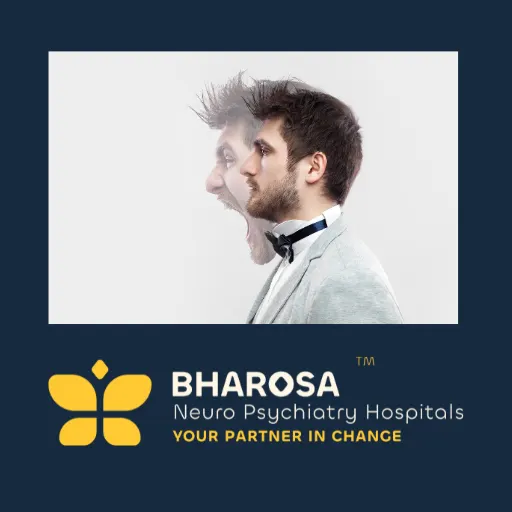
Mania & Depression
Bipolar Disorder is characterized by alternating episodes of "Highs" (Mania/Hypomania) and "Lows" (Depression).
Recognizing these signs is crucial for early intervention.
1. The High: Mania (or Hypomania)
While it might feel good at first, mania can quickly become destructive.
- symptoms:
- Feeling "wired," euphoric, or extremely irritable.
- Decreased need for sleep (feeling energetic after only 2 hours of rest).
- Racing thoughts and rapid speech.
- Risky Behavior: Reckless driving, spending sprees, impulsive sexual encounters, or making grand business plans without logic.
2. The Low: Depression
The crash that follows mania is often devastating.
- Symptoms:
- Overwhelming sadness or emptiness.
- Fatigue and "leaden paralysis" (feeling physically heavy).
- Loss of interest in hobbies.
- Thoughts of death or suicide.
Types of Bipolar Disorder We Treat
Correct diagnosis is vital because treating Bipolar like standard depression (using only antidepressants) can actually trigger a manic episode.
- Bipolar I Disorder: Defined by severe manic episodes that last at least 7 days or require hospitalization.
- Bipolar II Disorder: Defined by a pattern of depressive episodes and "hypomanic" episodes (less severe than full mania), often misdiagnosed as regular depression.
- Cyclothymic Disorder: Periods of hypomanic symptoms and depressive symptoms lasting for at least 2 years.
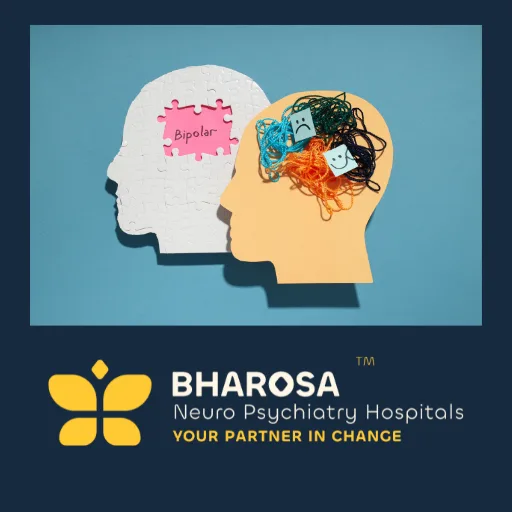
Our Approach: Finding the "Middle Path"
Our structured bipolar disorder treatment in Hyderabad helps patients maintain emotional balance and prevent relapse.
1. Mood Stabilization (Medication)
Medication is the foundation of Bipolar care. Our psychiatrists are experts in managing:
- Mood Stabilizers: (e.g., Lithium, Valproate) to prevent the highs and lows.
- Atypical Antipsychotics: To manage acute manic symptoms.
- Note: We carefully monitor blood levels to ensure safety and minimize side effects like weight gain or tremors.
2. IPSRT (Interpersonal and Social Rhythm Therapy)
Bipolar patients have very sensitive "body clocks." IPSRT is a specialized therapy that helps patients regulate their daily rhythms (sleep, wake, meal times). keeping a strict routine is one of the most effective ways to prevent a relapse.
3. Family Counseling
Living with Bipolar Disorder can strain marriages and finances. We offer counseling to help families separate the person from the illness and rebuild trust after a manic episode.

World-Class Facilities for Recovery
Recovery requires a dignified environment. Bharosa Neuropsychiatry Hospitals offers:
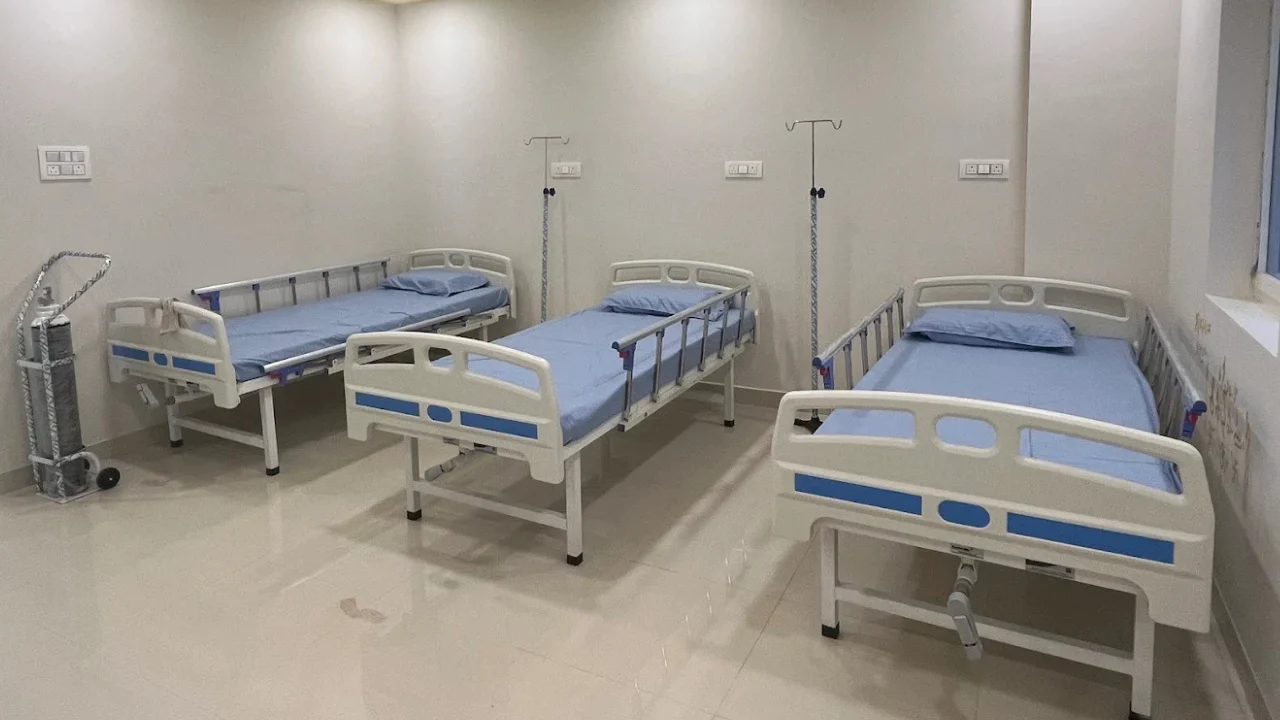
Secure & Safe Wards: Preventing access to substances.
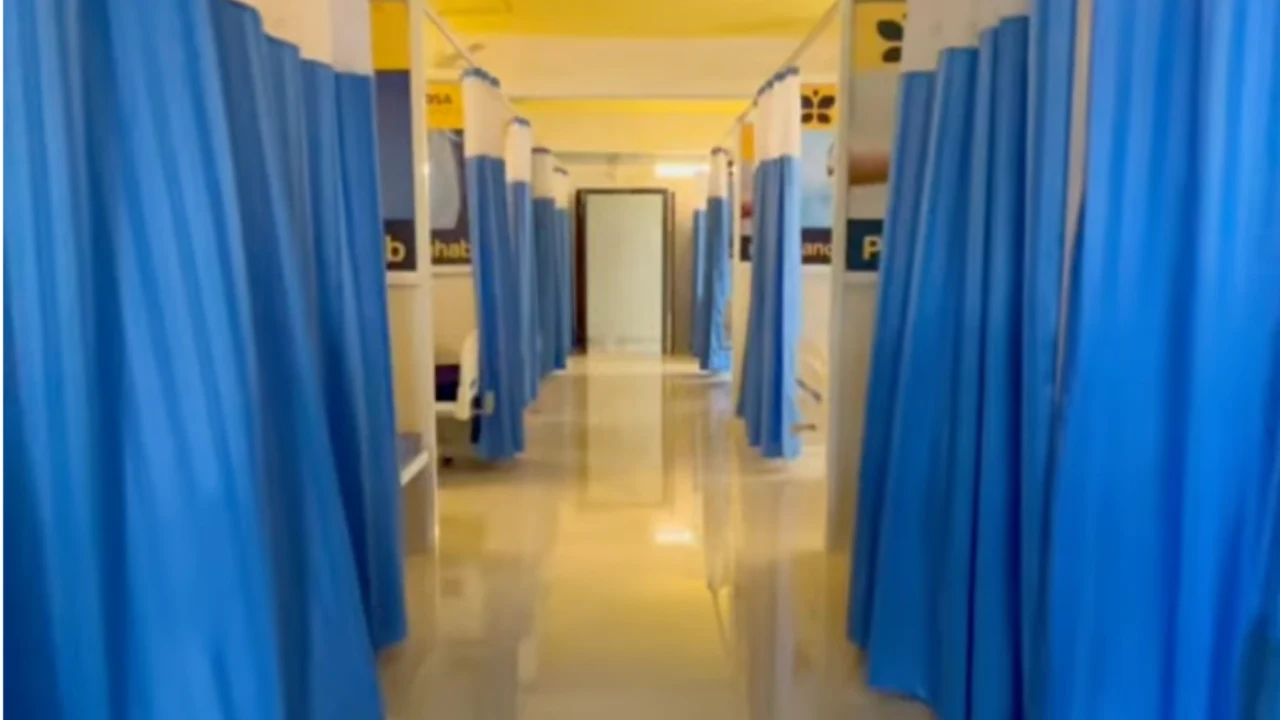
Private & Shared Rooms: Clean, hygienic, and comfortable living spaces.
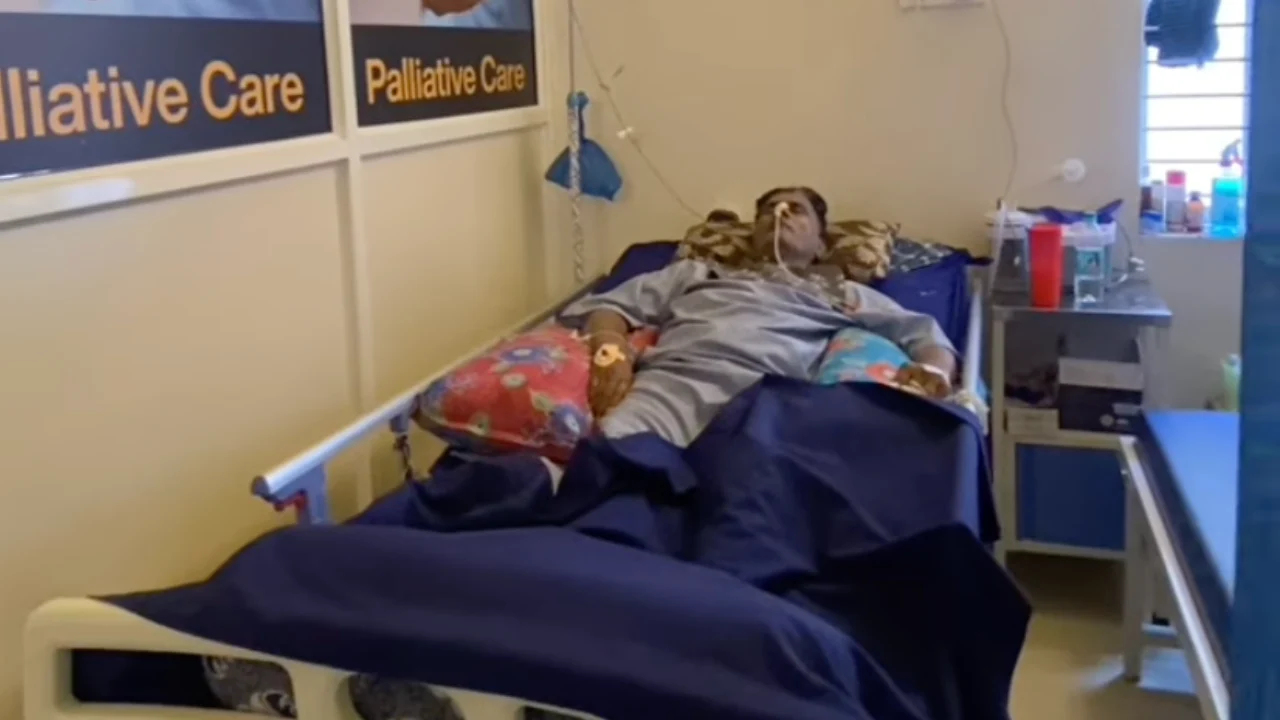
Recreational Zones: Indoor games and green spaces to rediscover joy without intoxication.
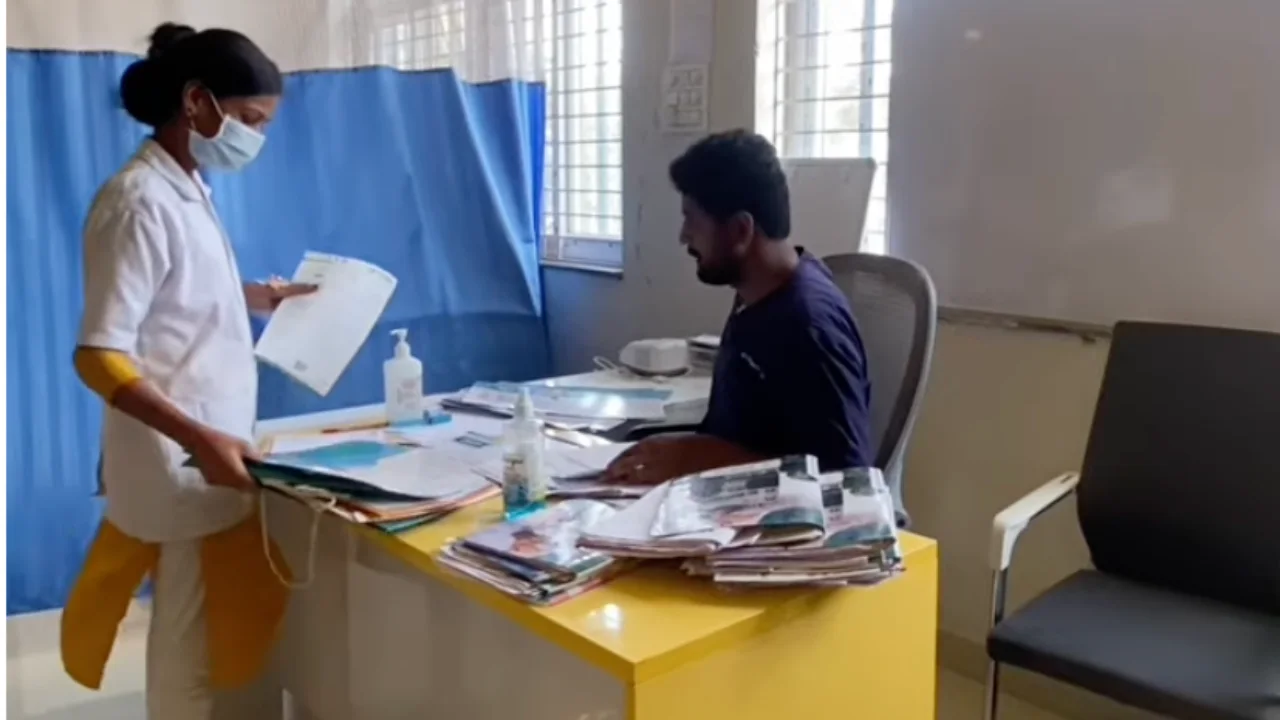
24/7 Emergency Medical Unit: On-site doctors for any physical health complications.
Patient Testimonial
Frequently Asked Questions
Bipolar Disorder is a chronic condition, similar to diabetes. Most patients require long-term maintenance medication to prevent relapse. Stopping medication abruptly is the #1 cause of hospitalization.
Absolutely. With proper management, people with Bipolar Disorder become successful CEOs, artists, and parents. The key is "compliance"—staying on treatment even when you feel fine.
Genetics play a strong role. If you have a parent or sibling with the condition, your risk is higher. However, environmental stress often triggers the first episode.

Stop the Rollercoaster.
You don't have to be a hostage to your moods. Stability is possible, and it is available here at Bharosa. Let us help you find your balance.