

Sleep Disorders & Insomnia Treatment
Bharosa Neuro Psychiatry Hospitals
Reclaiming Rest
Specialized Treatment for Sleep Disorders
Sleep is not a luxury; it is a biological necessity. It is the time when your brain repairs itself, processes emotions, and consolidates memory. However, for millions of people, the bedroom is a place of stress, tossing, turning, and staring at the clock.
At Bharosa Neuropsychiatry Hospitals, we view Sleep Disorders as serious medical conditions. Poor sleep is both a cause and a symptom of mental illness. Whether you cannot fall asleep, cannot stay asleep, or feel exhausted despite sleeping, our Sleep Medicine Unit is equipped to diagnose the root cause and help you wake up refreshed.
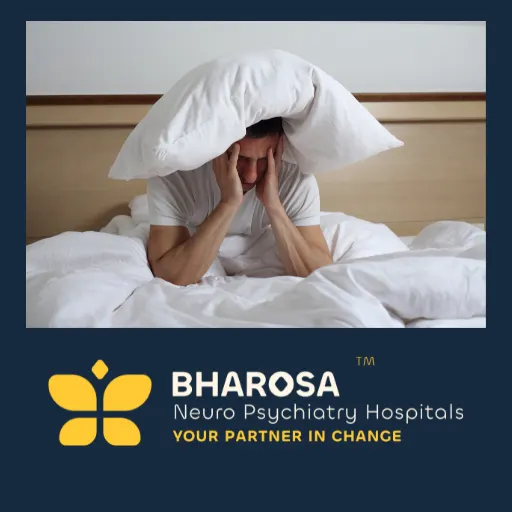
Sleep & Mental Health
There is a powerful bidirectional link between sleep and the mind.
- The Cause: Anxiety and Depression are the leading causes of chronic Insomnia.
- The Effect: Sleep deprivation increases cortisol (stress hormone), making you more anxious and depressed the next day.
We break this cycle by treating both the psychiatric condition and the sleep architecture simultaneously
Common Sleep Disorders We Treat
We go beyond simple "sleeping pills" to diagnose specific conditions.
1. Chronic Insomnia
- Definition: Difficulty falling asleep or staying asleep for at least 3 nights a week for 3 months.
- Impact: Cognitive fog, irritability, and high risk of hypertension.
2. Obstructive Sleep Apnea (OSA)
- Definition: The airway collapses during sleep, causing loud snoring and temporary stops in breathing.
- Impact: Severe daytime fatigue, heart risks, and sudden mood swings. Note: We coordinate with pulmonologists for CPAP therapy while managing the psychological impact.
3. Circadian Rhythm Disorders
- Definition: Your internal body clock is out of sync with the world (common in shift workers or "night owls").
- Impact: Inability to function during work hours and social isolation.
4. Parasomnias
- Definition: Abnormal behaviors during sleep.
- Examples: Sleepwalking, Sleep Talking, Night Terrors (waking up screaming), and Sleep Paralysis (waking up unable to move).
5. Restless Leg Syndrome (RLS)
- Definition: An uncomfortable "creeping" sensation in the legs that creates an irresistible urge to move them, preventing sleep onset.
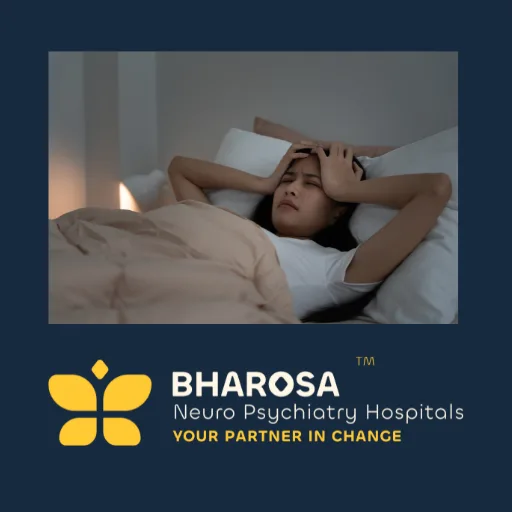
Our Diagnostic & Treatment Protocol
Guesswork doesn't cure sleep issues. Science does.
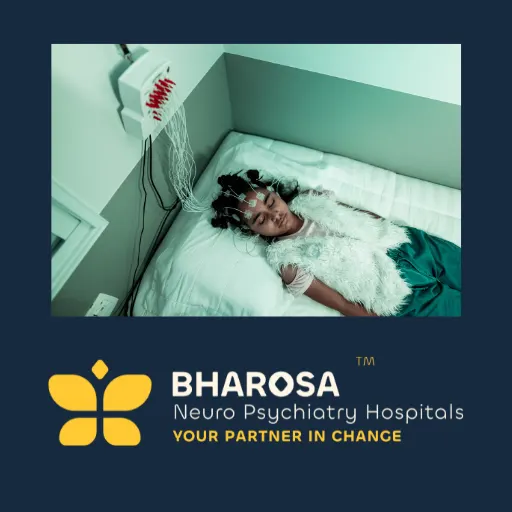
1. Polysomnography (Sleep Study)
For complex cases, we may recommend an overnight Sleep Study. This monitors your brain waves, oxygen levels, heart rate, and limb movements to pinpoint exactly why your sleep is broken.
2. CBT-I (Cognitive Behavioral Therapy for Insomnia)
This is the Gold Standard treatment—more effective long-term than any medication.
- We teach you Stimulus Control: Teaching the brain that Bed = Sleep (not work or worry).
- We practice Sleep Restriction Therapy: A structured method to reset your sleep drive.
3. Medication Management
We are cautious with sedatives. We prioritize non-addictive medications (like Melatonin agonists or specific antidepressants) that aid sleep without creating dependency.
World-Class Facilities for Recovery
Recovery requires a dignified environment. Bharosa Neuropsychiatry Hospitals offers:
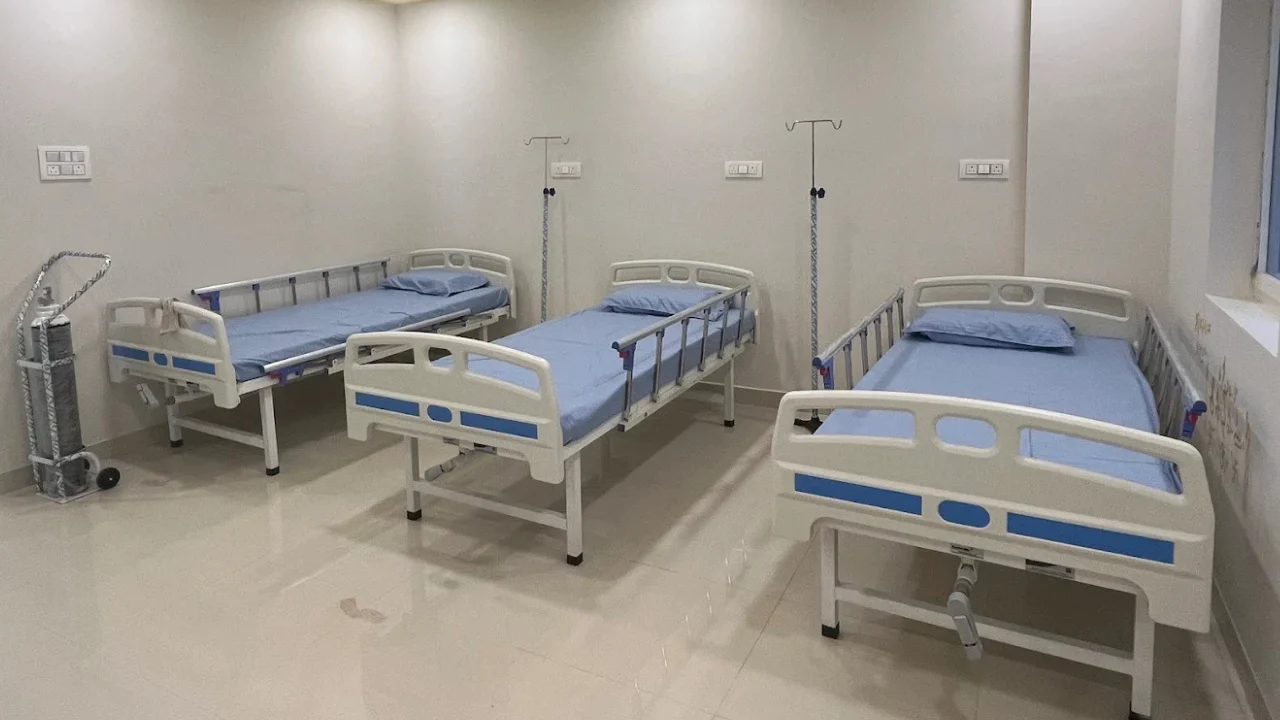
Secure & Safe Wards: Preventing access to substances.
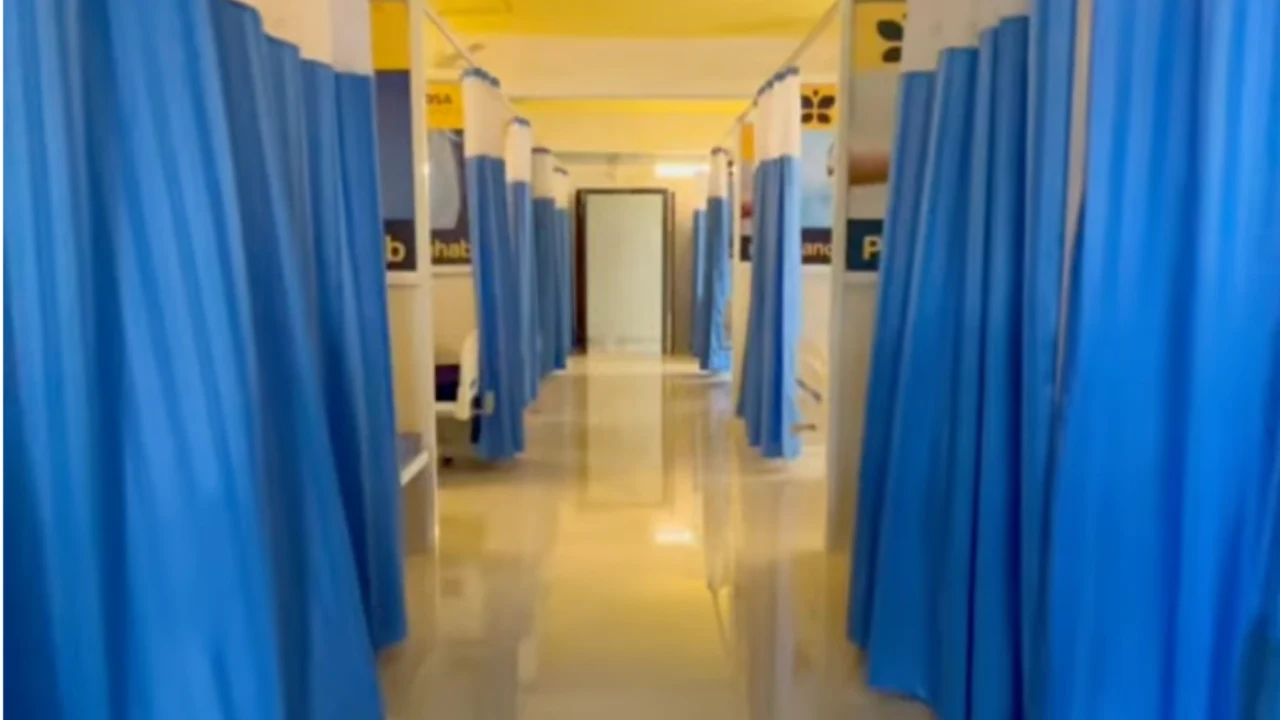
Private & Shared Rooms: Clean, hygienic, and comfortable living spaces.
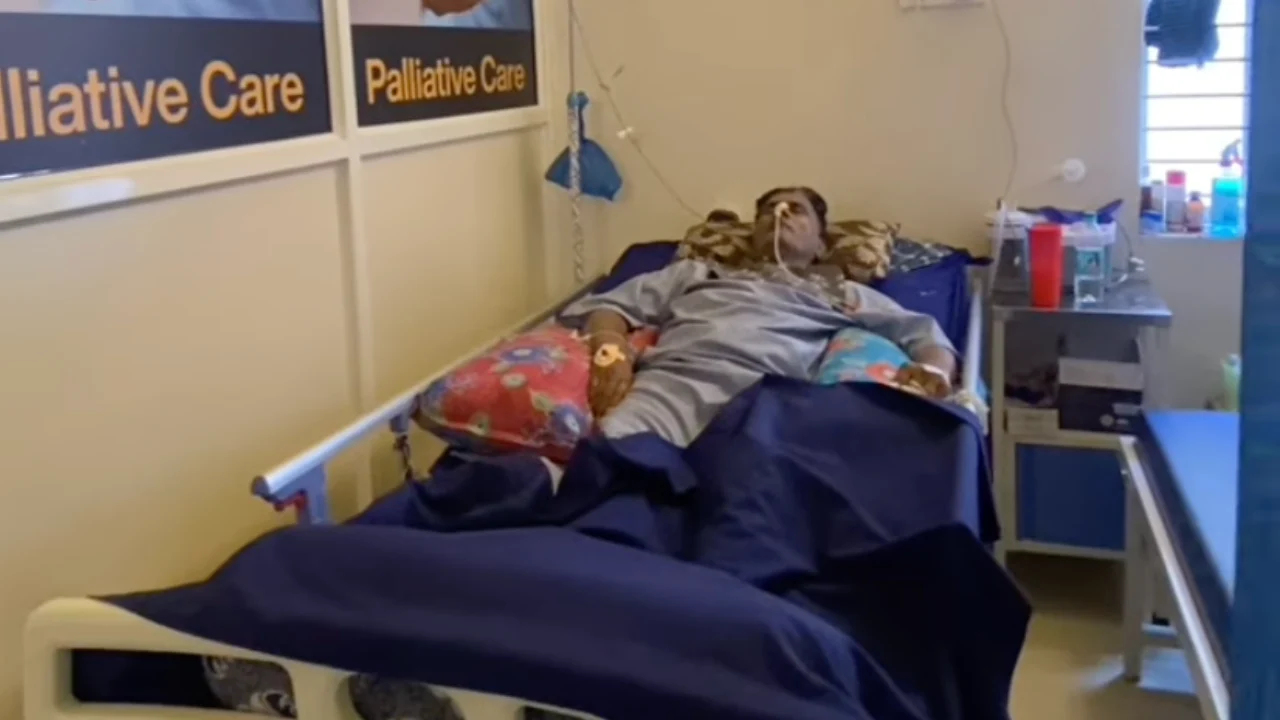
Recreational Zones: Indoor games and green spaces to rediscover joy without intoxication.
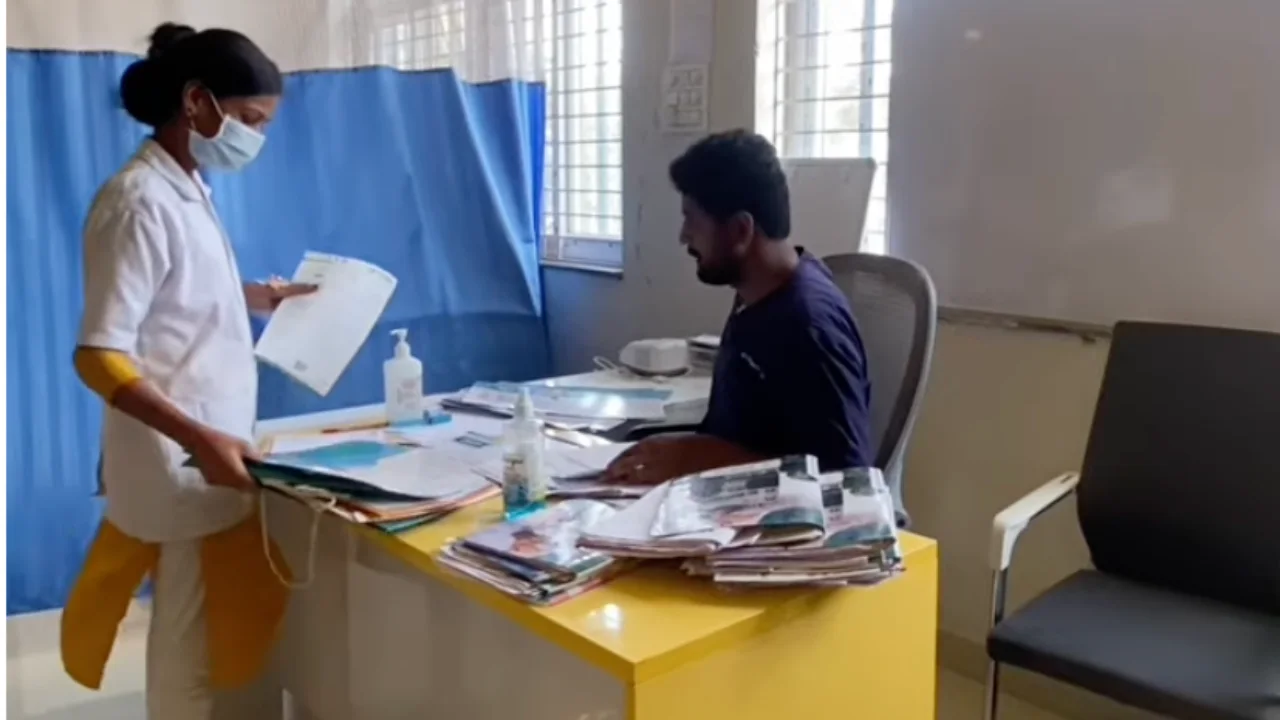
24/7 Emergency Medical Unit: On-site doctors for any physical health complications.
Frequently Asked Questions
This is a common fear. Many older drugs (benzodiazepines) were addictive. However, at Bharosa, we prioritize CBT-I and non-habit-forming medications. Our goal is to fix your natural sleep cycle, not sedate you forever.
No. While alcohol helps you fall asleep faster, it destroys "REM Sleep" (Deep Sleep). This causes you to wake up feeling unrefreshed and anxious. It actually worsens insomnia in the long run.
Sleep Paralysis is a terrifying but harmless condition where your mind wakes up before your muscles do. It is often linked to high stress or irregular sleep schedules. We can teach you techniques to break out of it calmly.

Wake Up to a Better Life.