

PTSD & Trauma Treatment
Bharosa Neuro Psychiatry Hospitals
Specialized PTSD Treatment
Trauma is not just a "bad memory." It is a physiological response where a terrifying event gets "stuck" in the brain, forcing you to relive the pain as if it is happening right now. Post-Traumatic Stress Disorder (PTSD) can affect anyone—survivors of accidents, assault, natural disasters, or childhood abuse.
At Bharosa Neuropsychiatry Hospitals, we understand that "time heals all wounds" is a myth when it comes to PTSD. Without treatment, the body keeps the score. We offer a safe, medically advanced environment to process the past so it no longer controls your present.
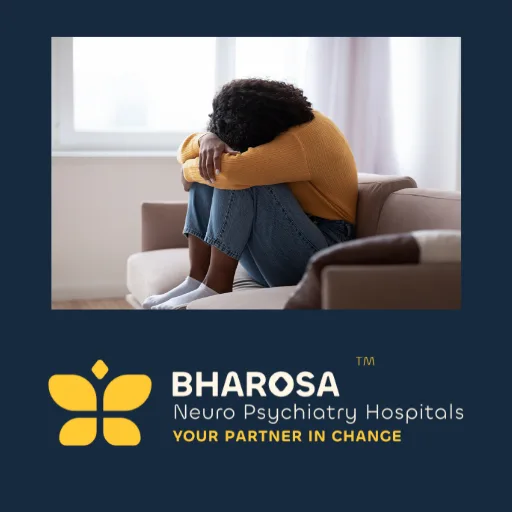
Is It Grief or PTSD
It is normal to be shaken after a tragedy. However, if the symptoms persist for months or years and interfere with your daily life, it is likely PTSD.
- Re-experiencing (Flashbacks): Sudden, vivid memories where you feel like the trauma is happening again. This can be triggered by a sound, a smell, or even a stressful day.
- Avoidance: Going out of your way to avoid places, people, or activities that remind you of the event (e.g., refusing to drive after a car accident).
- Hyperarousal: Feeling constantly "on guard" (Hypervigilance), being easily startled, or having angry outbursts.
Negative Mood: persistent feelings of guilt ("It was my fault"), shame, or emotional numbness (feeling dead inside).
Complex PTSD (C-PTSD)
While PTSD is often associated with a single event (like a crash), many people suffer from Complex PTSD (C-PTSD).
This occurs from prolonged trauma from which there was no escape, such as:
- Long-term childhood physical/sexual abuse.
- Domestic violence relationships.
- Chronic bullying.
C-PTSD includes the symptoms of PTSD plus deep-seated Trust Issues and a damaged sense of self-worth. We specialize in treating these deep-rooted emotional injuries.
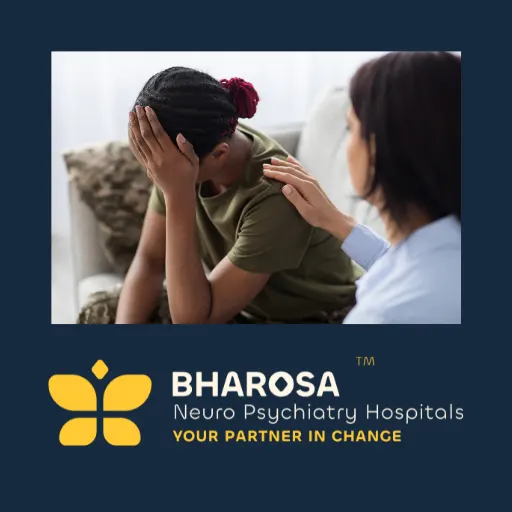
Safe & Trauma-Informed
Retelling your story can be terrifying. Our approach is "Trauma-Informed," meaning we prioritize your safety and pace above all else. We never force you to open up before you are ready.
1. EMDR (Eye Movement Desensitization and Reprocessing)
We offer EMDR, a revolutionary therapy that helps the brain "digest" traumatic memories. By using guided eye movements, we can reduce the emotional charge of the memory, turning it from a terrifying flashback into a neutral fact of the past.
2. Trauma-Focused CBT
We work to rewrite the narrative. Instead of "I am a victim" or "I am broken," we help you transition to "I am a survivor" and "I am safe now."
3. Pharmacotherapy
Medication (SSRIs or Prazosin for nightmares) acts as a stabilizer. It lowers the intense anxiety and anger, allowing the therapy to work effectively.
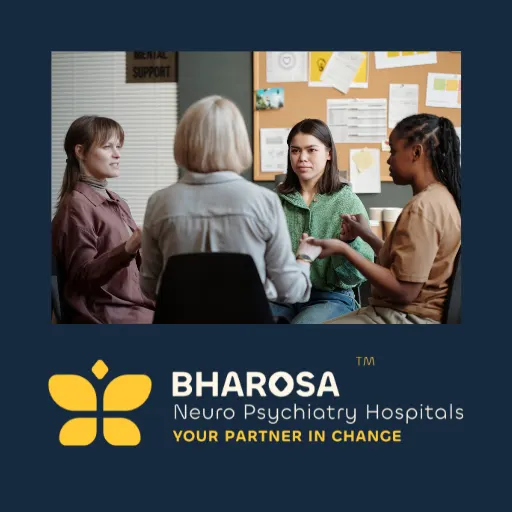
World-Class Facilities for Recovery
Recovery requires a dignified environment. Bharosa Neuropsychiatry Hospitals offers:
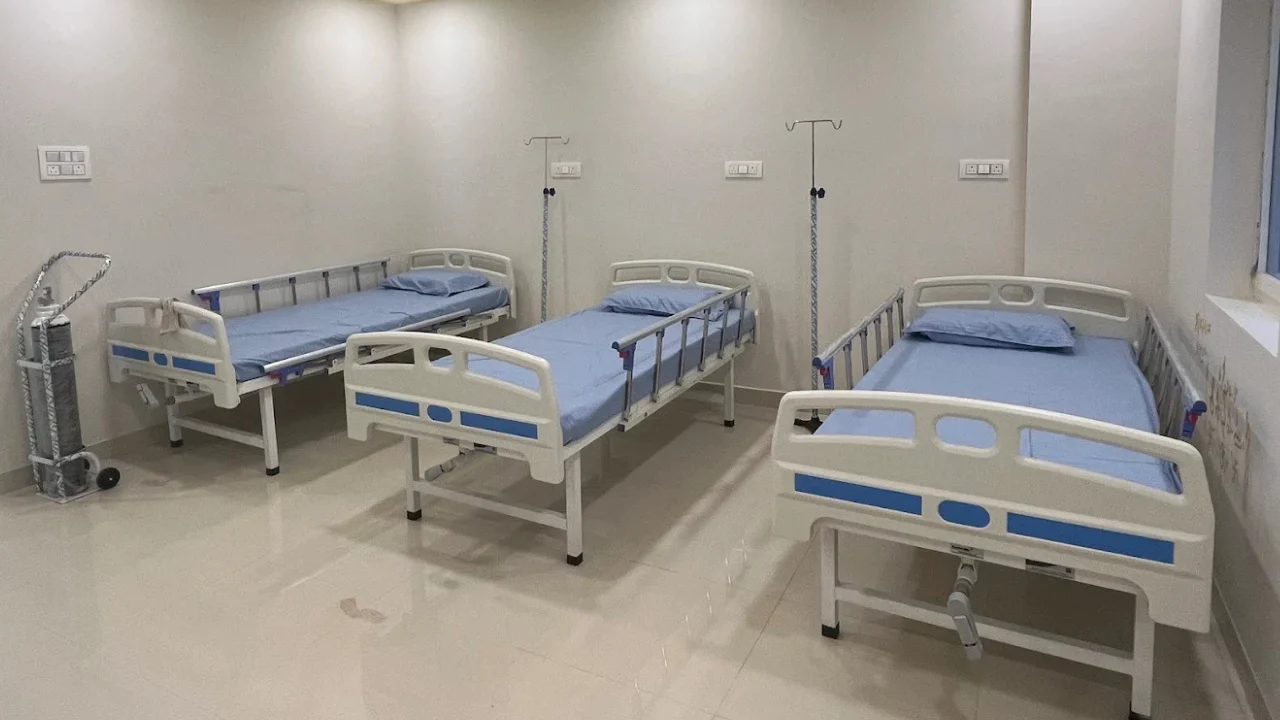
Secure & Safe Wards: Preventing access to substances.
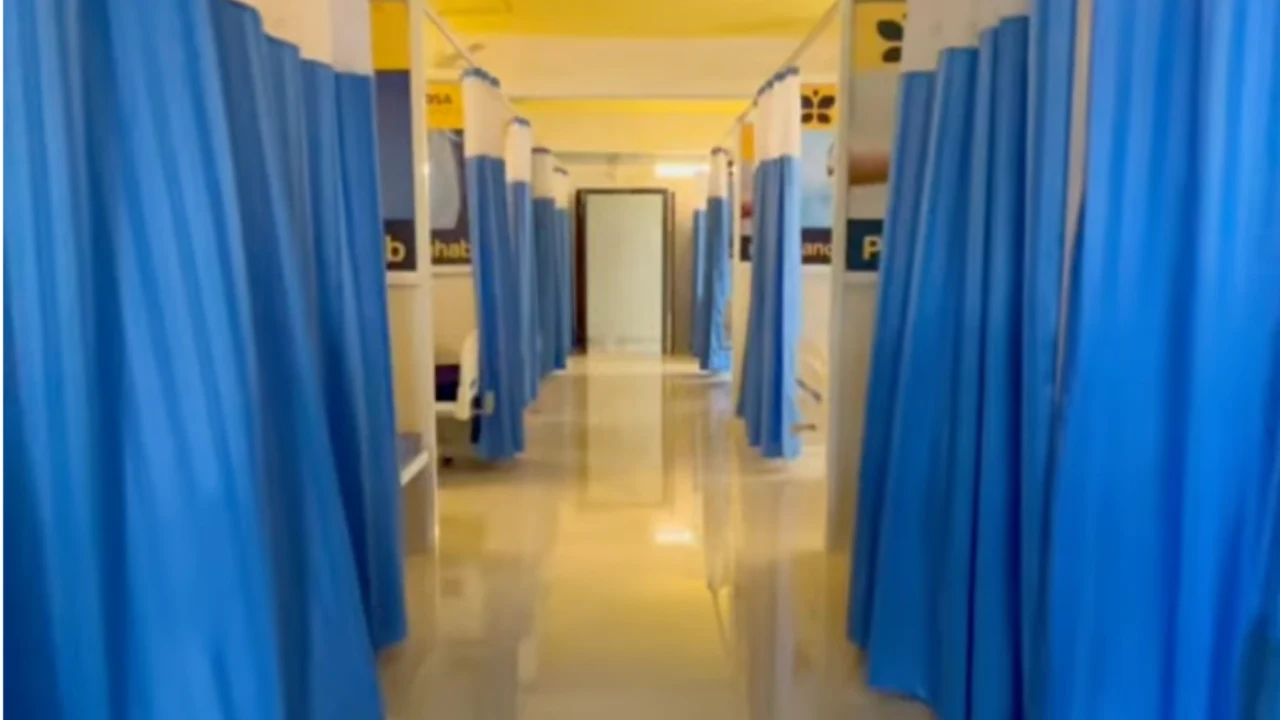
Private & Shared Rooms: Clean, hygienic, and comfortable living spaces.
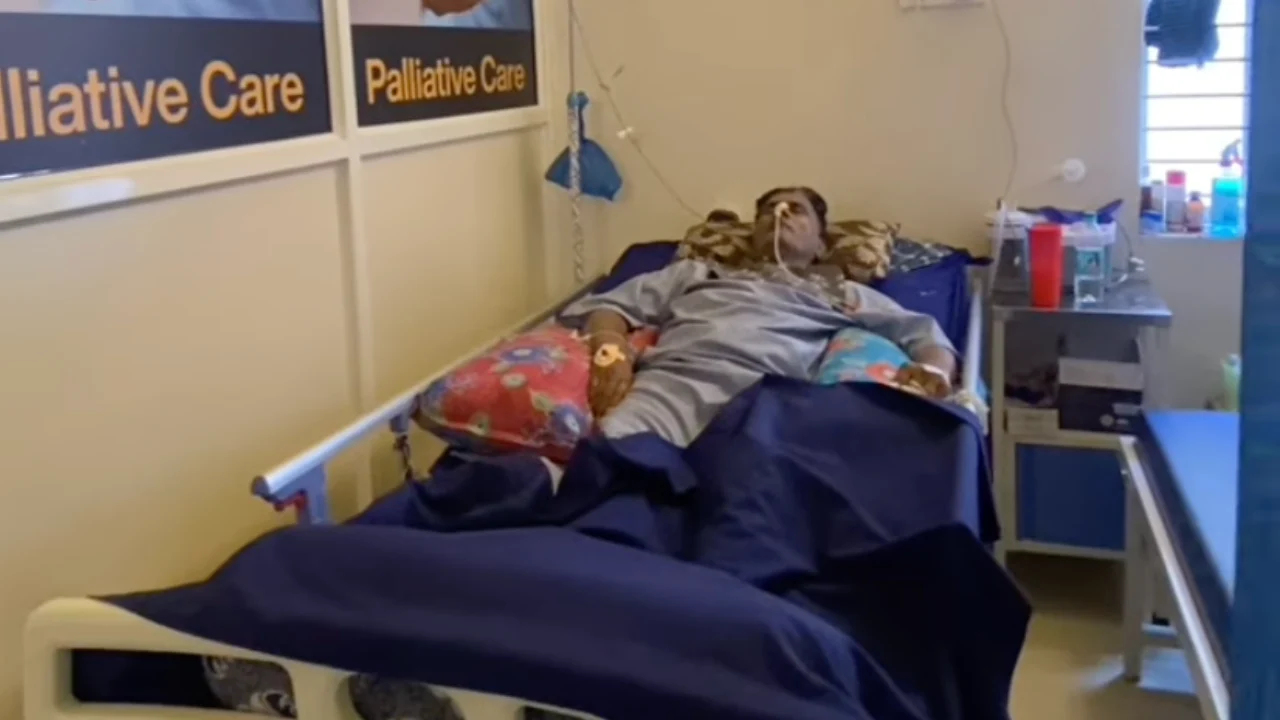
Recreational Zones: Indoor games and green spaces to rediscover joy without intoxication.
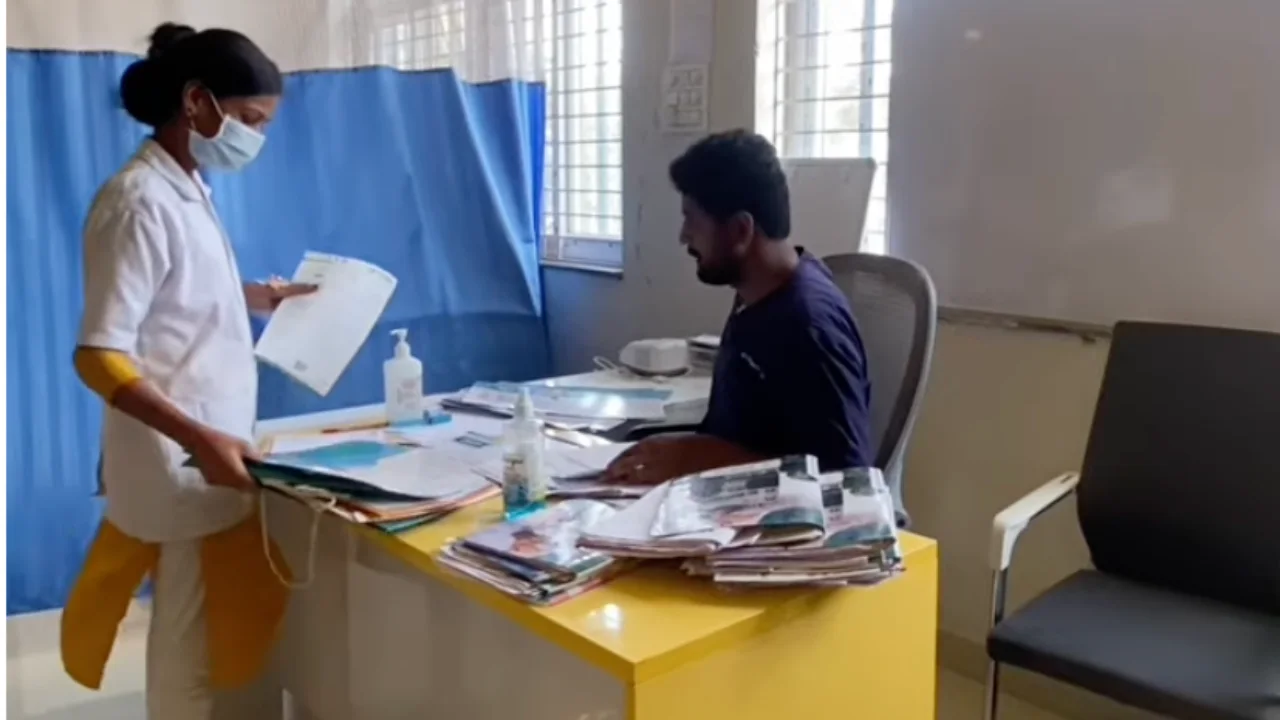
24/7 Emergency Medical Unit: On-site doctors for any physical health complications.
Frequently Asked Questions
No. With therapies like EMDR, we can process the trauma without you having to verbally describe every painful detail. We focus on the emotions and body sensations, making it less re-traumatizing.
Never. We have successfully treated patients in their 60s for trauma that occurred in their childhood. The brain has incredible neuroplasticity and can heal at any age.
Trauma is stored in the nervous system. Chronic pain, migraines, and stomach issues are common physical manifestations of unresolved PTSD (Somatization).

The Past Does Not Define You.