

OCD Treatment & ERP Therapy
Bharosa Neuro Psychiatry Hospitals
OCD Treatment in Hyderabad
Repetitive thoughts are universal. Everyone has experienced a song stuck in their head, a worry that returns despite efforts to dismiss it, or a nagging sense that they may have left the door unlocked.
At Bharosa Neuro Psychiatry Hospital, we provide the most comprehensive OCD Treatment in Hyderabad has available — including gold-standard Exposure and Response Prevention therapy, evidence-based medication management, and specialist care for all OCD subtypes. This blog will help you understand when repetitive thoughts and behaviours have crossed the clinical threshold that requires professional treatment.
Obsessions vs. Compulsions
OCD consists of two parts that feed into each other, creating a vicious loop.
1. Obsessions (The Anxiety)
These are unwanted, intrusive thoughts, images, or urges that trigger intense distress.
- Examples: Fear of germs, fear of harming someone, fear of offending God, or a need for perfect symmetry.
2. Compulsions (The Rituals)
These are the behaviors performed to "neutralize" the anxiety caused by the obsession.
- Examples: Excessive washing, checking locks, counting, repeating words, or mental praying.
The Trap: The ritual provides temporary relief, but the anxiety always comes back stronger, demanding more rituals.
It’s Not Just About Cleaning.
Types of OCD
OCD manifests in many ways. We treat the full spectrum:
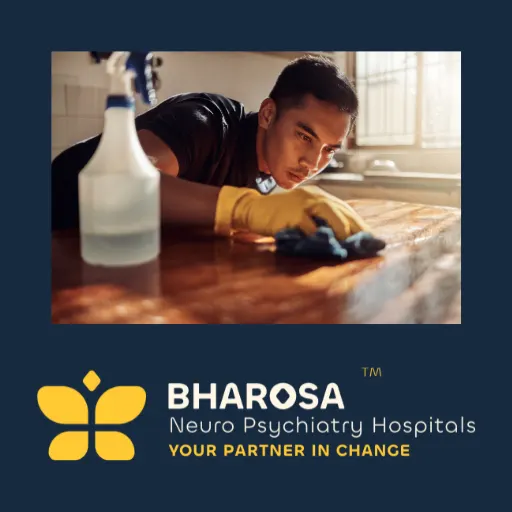
- Contamination OCD: Excessive fear of germs/dirt, leading to compulsive cleaning or avoidance of public places.
- Checking OCD: The fear that something terrible will happen (fire, burglary) if you don't check locks, stoves, or switches repeatedly.
- Symmetry & Order: A desperate need to arrange items in a precise way to prevent discomfort.
- Intrusive Thoughts (Harm/Sexual OCD): Terrifying thoughts about hurting loved ones or inappropriate sexual images.
ERP Therapy
Medication helps, but therapy changes the brain. We use the globally recognized Gold Standard for OCD.
Exposure and Response Prevention (ERP).
- Exposure: We gradually expose you to the thing you fear (e.g., touching a doorknob) in a safe, controlled environment.
- Response Prevention: We support you in resisting the urge to perform the ritual (e.g., not washing hands immediately).
Over time, your brain learns that the anxiety naturally goes down on its own without the ritual. This breaks the cycle.

World-Class Facilities for Recovery
Recovery requires a dignified environment. Bharosa Neuropsychiatry Hospitals offers:
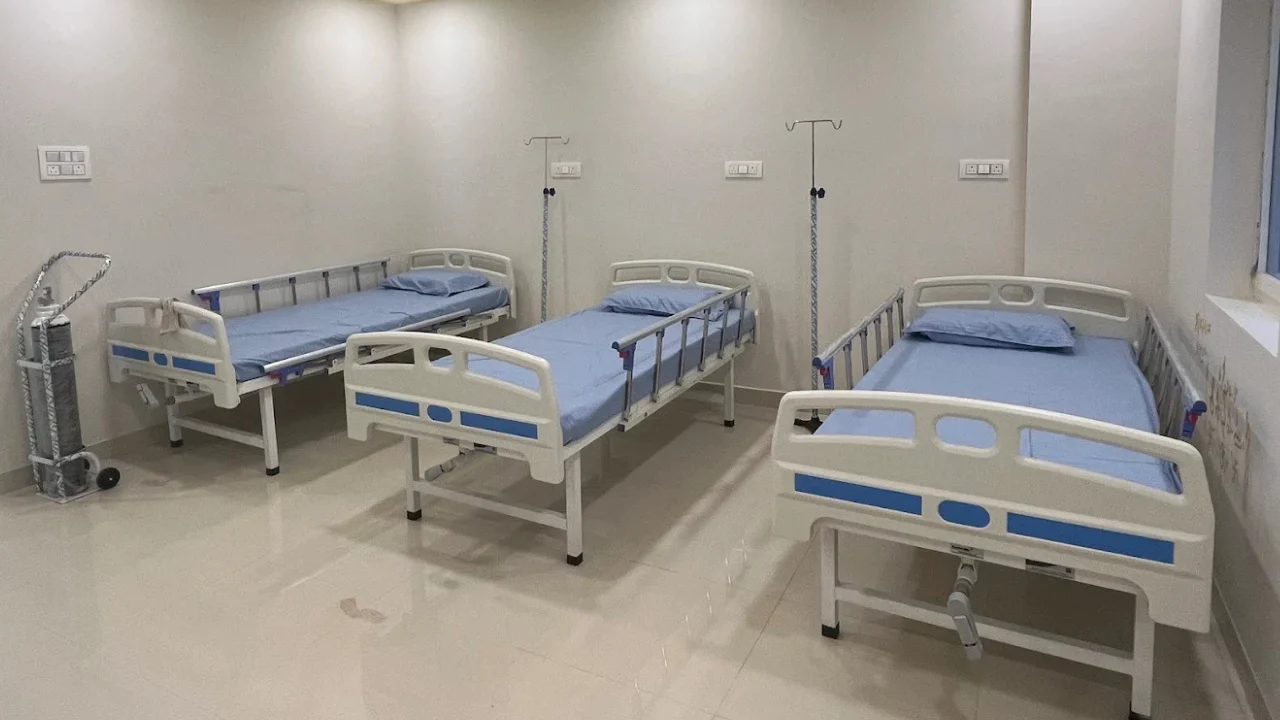
Secure & Safe Wards: Preventing access to substances.

Private & Shared Rooms: Clean, hygienic, and comfortable living spaces.
Recreational Zones: Indoor games and green spaces to rediscover joy without intoxication.
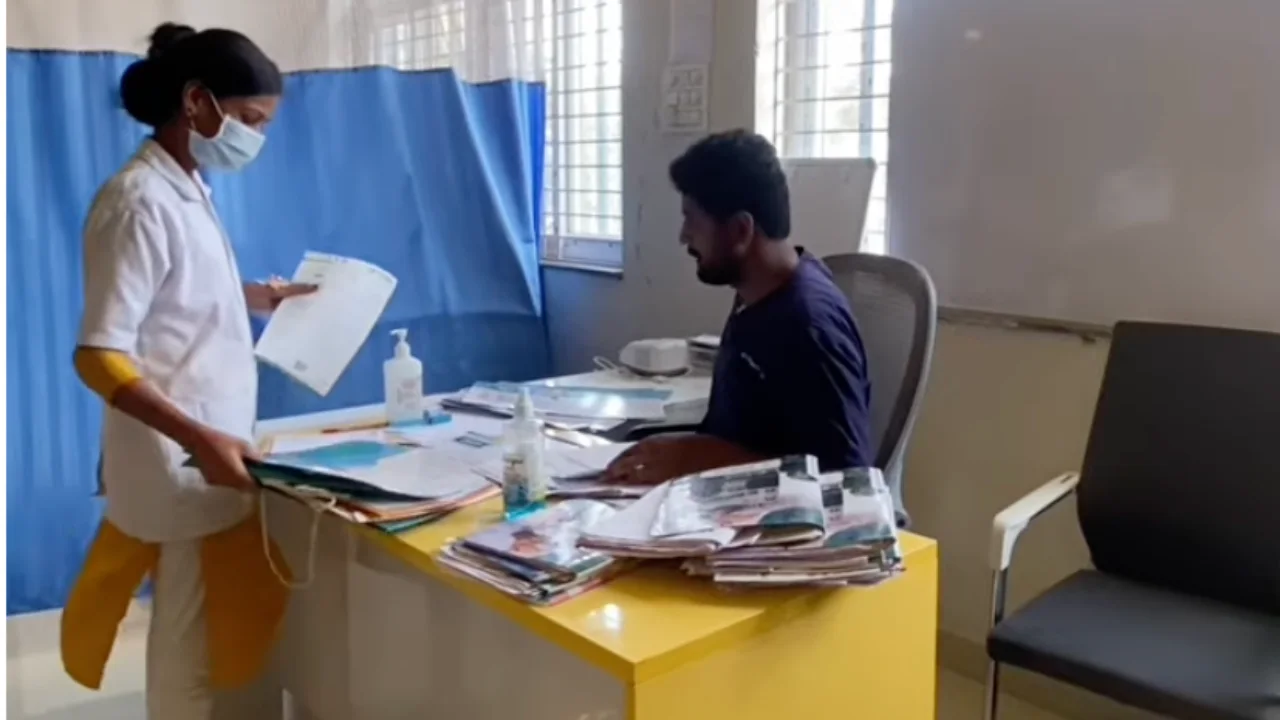
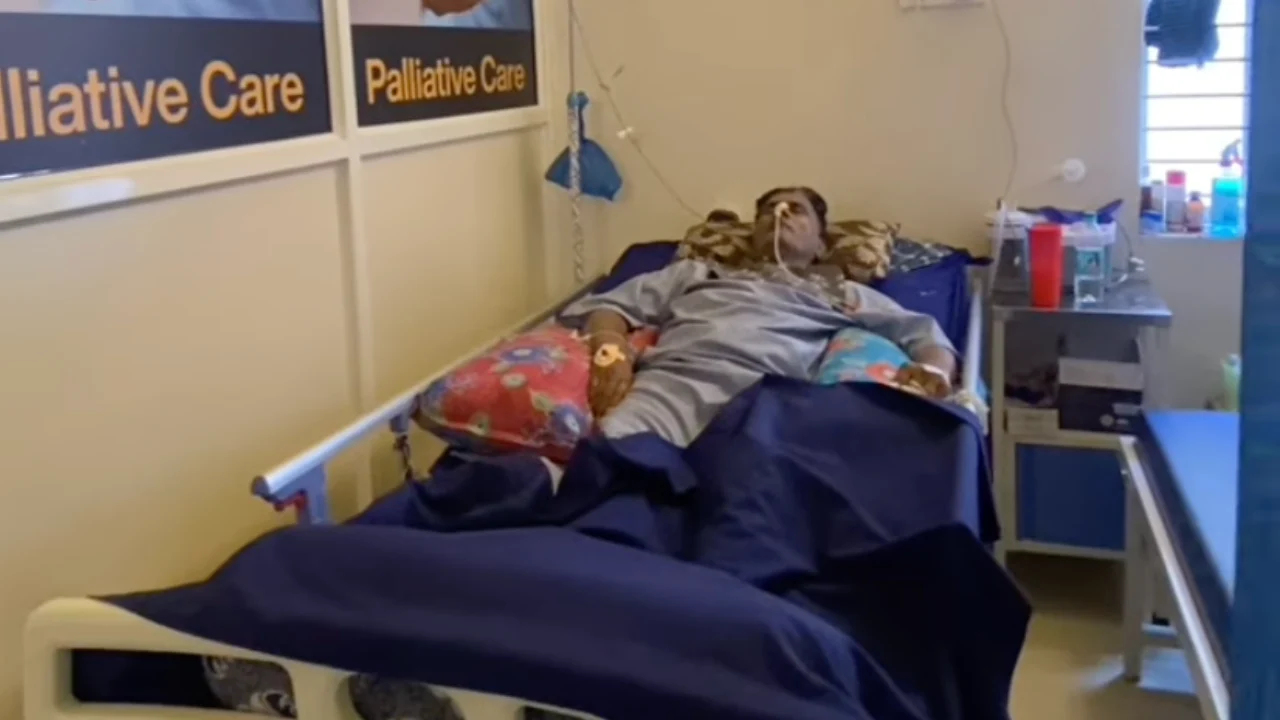
24/7 Emergency Medical Unit: On-site doctors for any physical health complications.
Frequently Asked Questions
No. People with OCD usually have "insight"—they know their fears are irrational, which makes it even more frustrating. You are not losing your mind; you have a neurobiological anxiety disorder.
This is the biggest fear for "Harm OCD" sufferers. Research shows that people with OCD are actually less likely to be violent than the general population because they are so horrified by violence. The thought is the opposite of your character.
OCD is a chronic condition, but it is highly treatable. With ERP and medication, most patients achieve "sub-clinical" levels, meaning the thoughts might pop up occasionally, but they no longer control your life.

Take Back Control.
You have spent enough time checking, counting, and washing. It is time to start living. Let our experts help you break the chains of OCD.