
Snake Venom Abuse De-Addiction | Specialized Critical Care - Bharosa Hospitals
Surviving the Bite: Specialized Treatment for Snake Venom Abuse
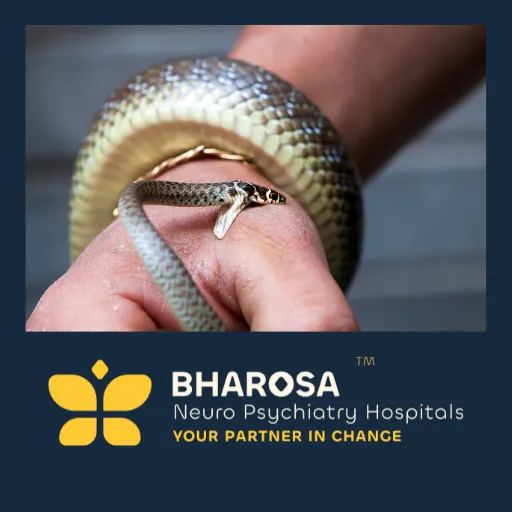
It is one of the most dangerous and poorly understood forms of substance abuse in the world: the recreational use of snake venom. Often driven by underground rave cultures or extreme sensation-seeking behavior, individuals expose themselves to bites from highly venomous snakes (like Cobras or Kraits) or consume processed venom to achieve a "high."
This is not just addiction; it is chronic poisoning. At Bharosa Neuropsychiatry Hospitals, we are among the few medical centers in the region equipped to handle the complex physiological and psychological damage caused by neurotoxin abuse. We provide immediate critical care and long-term psychiatric rehabilitation.
A Lethal High: Understanding Venom Abuse
Snake venom abuse is often seen in individuals who have built up such a high tolerance to opioids and alcohol that they no longer feel their effects. They turn to venom for its neurotoxic effects, which interfere with nerve transmission, creating sensations of numbness, dizziness, and blurred vision—misinterpreted as euphoria.
The "high" experienced from snake venom is actually the body’s reaction to potentially fatal neurotoxins. Users are essentially flirting with respiratory failure and paralysis every time they use.
What Venom Does to the Brain & Body ?
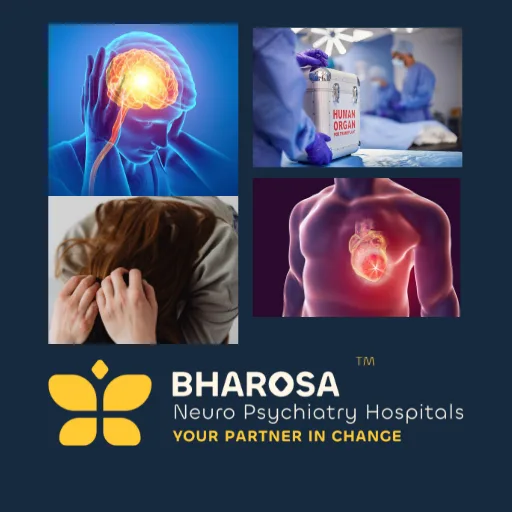
Unlike standard drugs, venom targets the central nervous system (CNS). Chronic exposure leads to severe medical complications that require Intensive Care Unit (ICU) intervention, not just a standard rehab room.
- Neurological Damage: Permanent memory loss, tremors, and cognitive decline.
- Organ Failure: Kidney damage (Nephrotoxicity) and liver failure due to toxin processing.
- Cardiac Arrest: Venom can disrupt heart rhythm instantly.
- Psychological Impact: Users often develop a "god complex" or severe dissociation from reality.
World-Class Facilities for Recovery
Recovery requires a dignified environment. Bharosa Neuropsychiatry Hospitals offers:
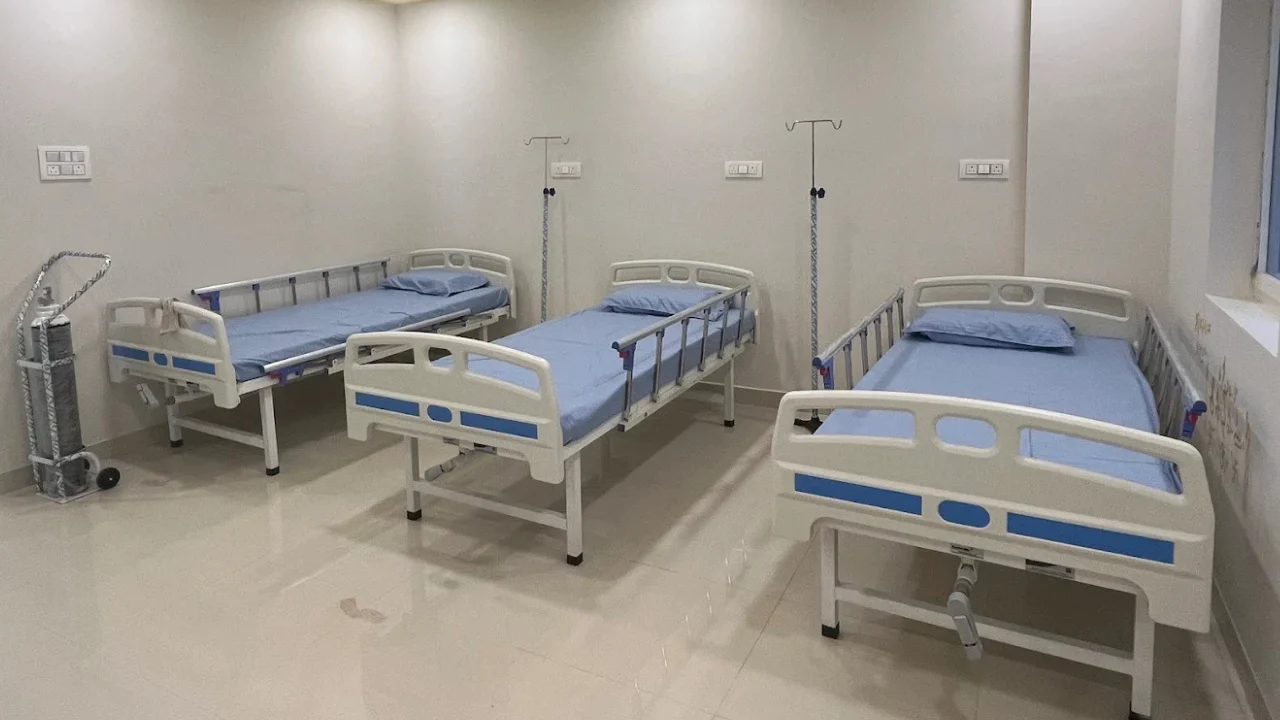
Secure & Safe Wards: Preventing access to substances.
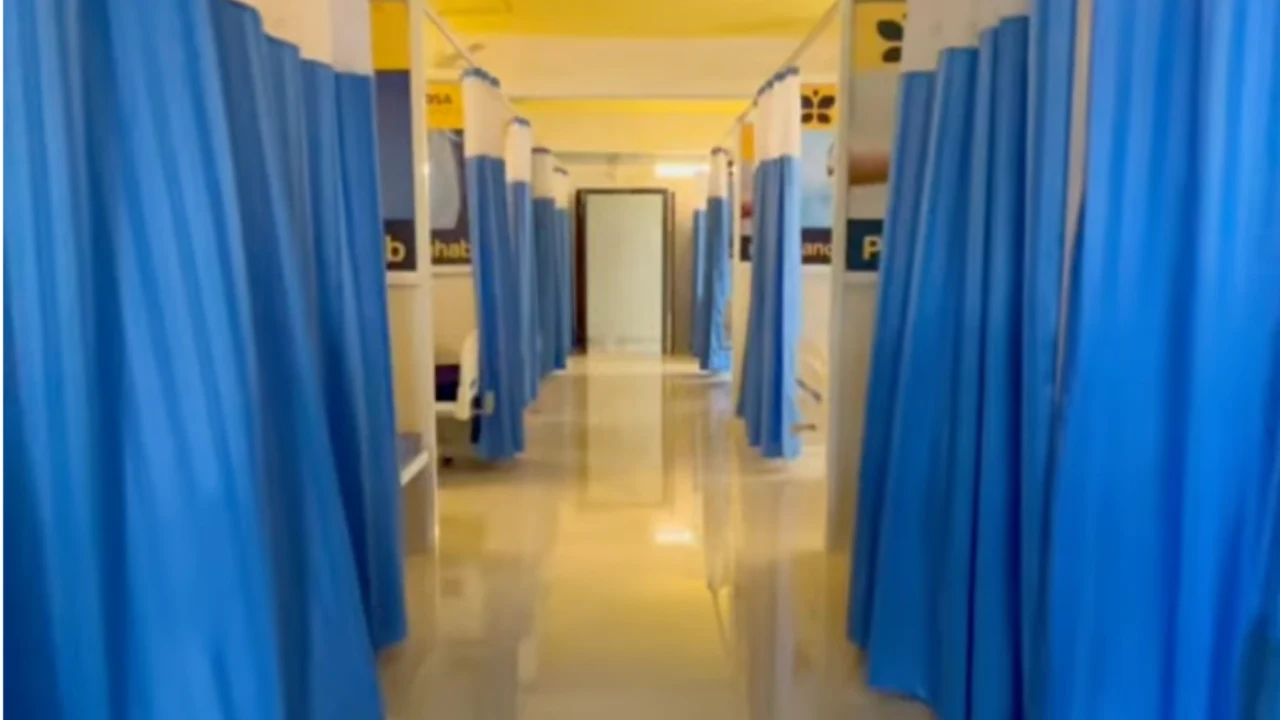
Private & Shared Rooms: Clean, hygienic, and comfortable living spaces.
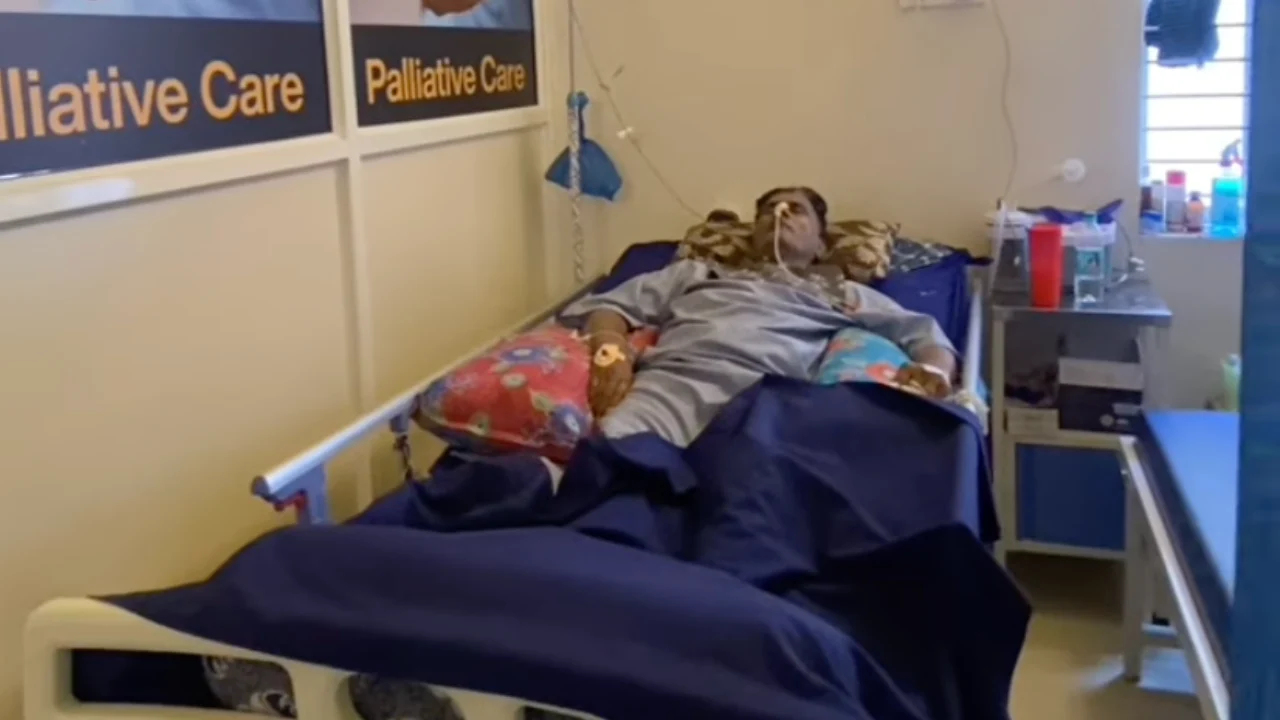
Recreational Zones: Indoor games and green spaces to rediscover joy without intoxication.
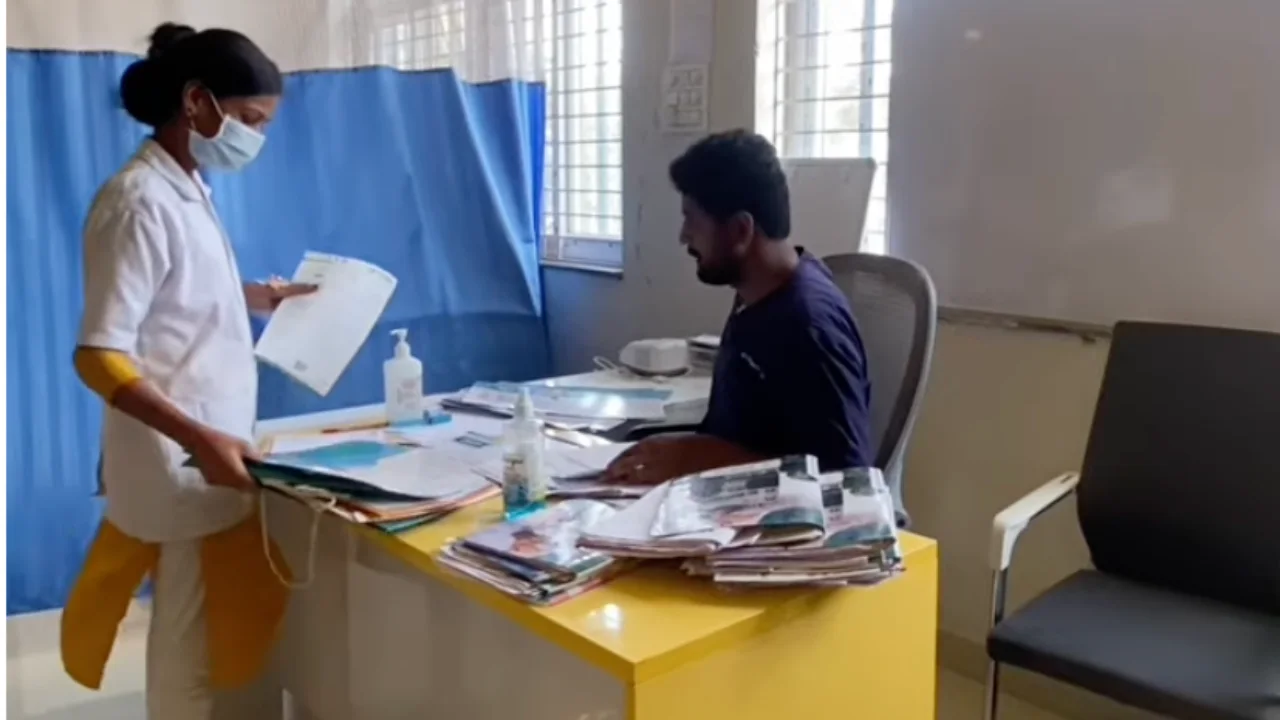
24/7 Emergency Medical Unit: On-site doctors for any physical health complications.
Frequently Asked Questions
(Alcohol Rehab)
While statistically rarer than alcohol or opioids, it is a growing concern in India, particularly linked to rave parties and illicit drug rings. It is often a "hidden" addiction that families only discover when a medical emergency occurs.
Yes. While the venom itself may not be chemically addictive in the same way as heroin, the psychological dependence is extreme. The user becomes addicted to the "near-death" rush and the altered state of consciousness.
No. Dealing in snake venom or possessing protected snake species is a serious crime under the Wildlife Protection Act, 1972. However, our hospital prioritizes patient confidentiality and health—our job is to save the life, not to judge.

This is a Medical Emergency.
If you suspect a loved one is experimenting with snake venom, do not wait for "rock bottom." The next dose could be fatal. Contact our Emergency Response Team immediately.